5pm Friday Dental Enquiry Spike: Why Your Reception Clocks Out Before High-Intent Implant Leads Convert (UK 2025)

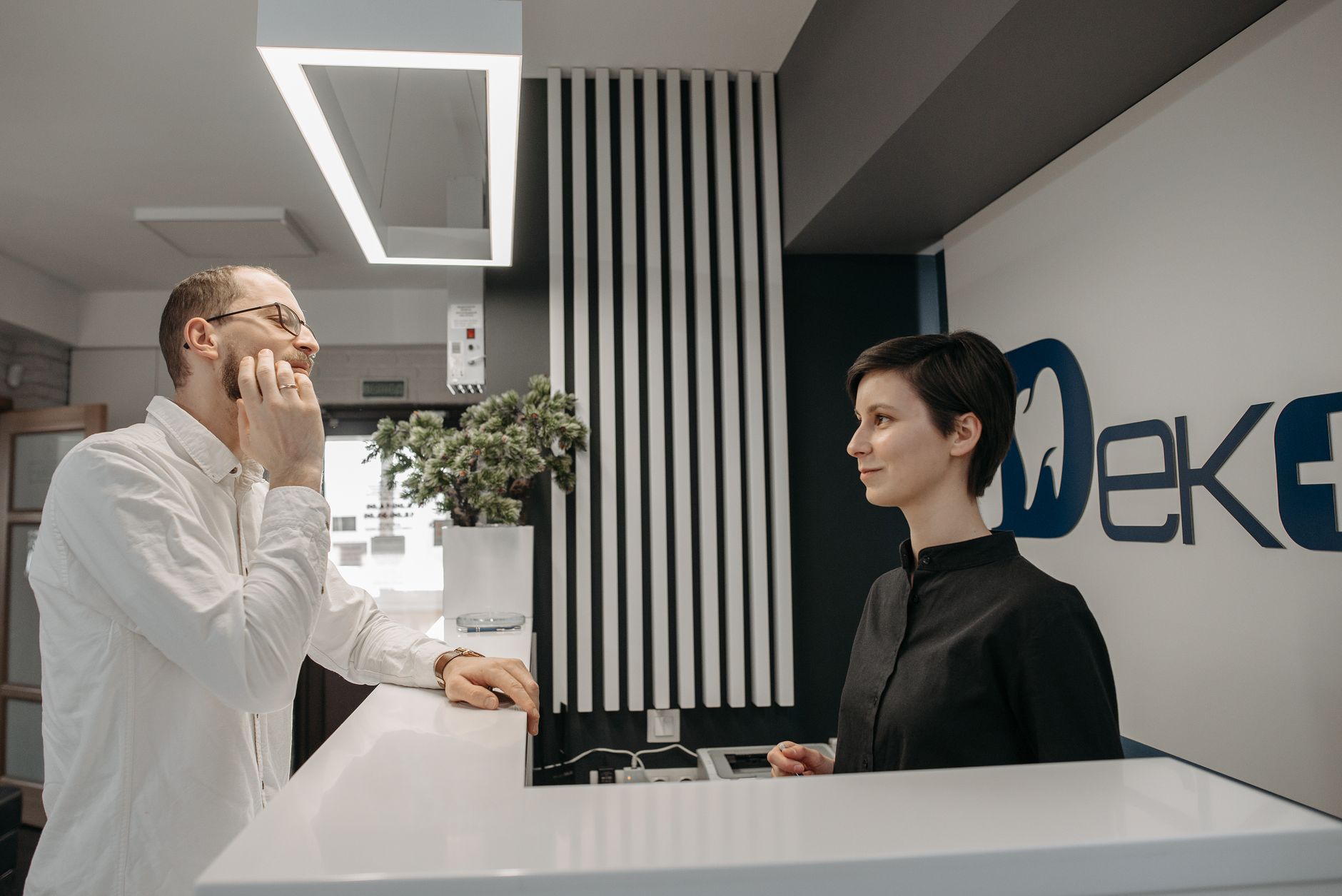
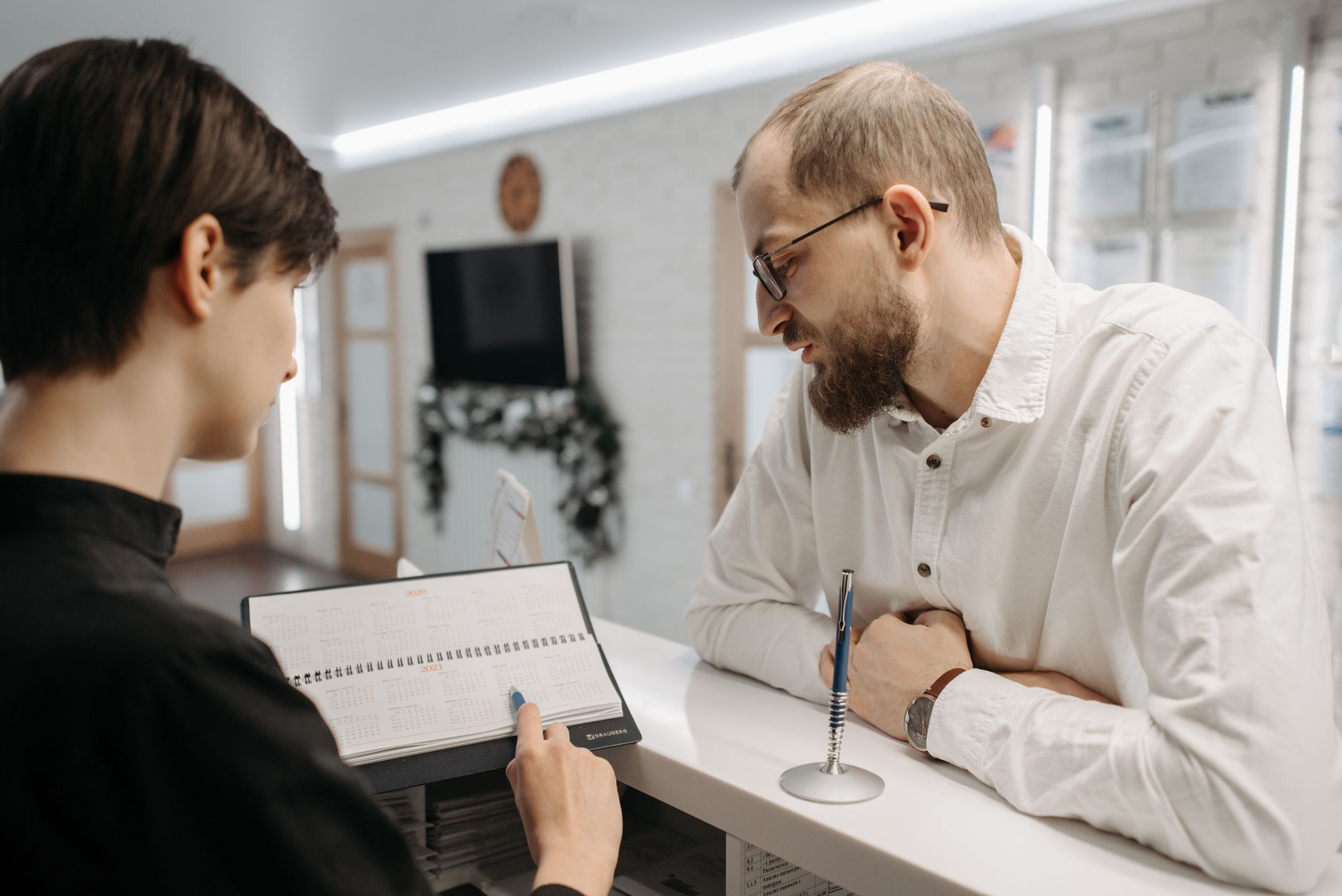
Every Friday afternoon, something predictable happens in UK dental practices: just as your reception team begins wrapping up for the weekend, enquiry volumes surge—often with high-value cases like implants, Invisalign, and cosmetic work. By 5pm, phones ring, web forms fill up, and WhatsApp messages arrive from prospects who've spent all week researching their treatment options and finally feel ready to commit. But your team has already mentally checked out, patient files are being closed, and the practice door is about to lock.
The Friday dental enquiry spike represents a critical revenue gap for UK private practices: high-intent prospects reach out precisely when reception staff are least available to respond, leading to conversion losses that compound weekly and cost practices £40,000-£180,000 annually in missed implant revenue alone.
Key Takeaways: Why Friday Evening Enquiries Matter
- Friday 4pm-6pm sees a documented surge in high-value dental enquiries as prospects finalise weekend treatment decisions, yet most practices have reduced reception coverage during this window
- Delayed responses over weekends allow competing practices to capture leads first, with 78% of dental prospects booking with whichever clinic responds fastest
- WhatsApp AI automation enables immediate Friday evening engagement and weekend nurturing, recovering revenue from the precise moment traditional reception coverage ends
- Practices implementing automated Friday-to-Monday follow-up systems report 34-47% higher implant consultation bookings from weekend enquiry windows
Why Does the Friday Dental Enquiry Spike Happen?
The Friday dental enquiry spike occurs because prospects treat Friday afternoon as their personal deadline for making treatment decisions before the weekend. Throughout the week, potential patients research implant costs, read reviews, compare practice websites, and deliberate with family members. By Friday, they've mentally committed and want to secure a consultation slot before losing momentum over the weekend. This urgency peaks between 4pm-6pm as work finishes and people turn attention to personal tasks.
For high-value treatments like dental implants (£2,000-£3,500 per case), prospects often need several days to research and justify the investment. They bookmark your practice on Monday, revisit your pricing Tuesday, check Google reviews Wednesday, and by Friday afternoon they're ready to commit. The psychological trigger is weekend planning: they want reassurance that Monday morning will bring a confirmed appointment, not more uncertainty. This decision-making pattern is particularly pronounced for cosmetic and elective treatments where prospects control timing.
The surge intensifies during certain calendar periods. January Fridays see elevated enquiry volumes as patients act on New Year dental resolutions. Pre-summer months (April-June) show spikes as patients want treatments completed before holidays. But the pattern holds year-round: Friday afternoon consistently delivers disproportionate enquiry volume compared to Tuesday or Wednesday afternoons, specifically for high-ticket private work. According to data tracked across UK private practices, Friday 4-6pm generates 23-31% more implant-related enquiries than the same Tuesday window.
What Happens to Friday Evening Enquiries in Traditional Practices?
Most UK dental practices operate with reduced reception coverage on Friday afternoons, and virtually none maintain active phone or digital response capacity after 5pm. Your team has handled patient calls all week, managed morning appointments, processed payments, and coordinated next week's schedule. By 4:30pm Friday, staff are mentally transitioning to weekend mode—understandably so. But this human rhythm directly conflicts with prospect behaviour.
When a £3,200 implant enquiry arrives via web form at 5:15pm Friday, it sits unread until Monday 9am—a 64-hour response gap. The prospect who submitted that form expected weekend acknowledgment at minimum. By Saturday morning, they've moved on to the next practice on their shortlist. By Monday when your receptionist finally responds, the prospect has already booked a consultation elsewhere, often mentioning "I needed to hear back sooner" when declining your callback offer.
Phone enquiries face similar abandonment. Prospects calling after 5pm hear your voicemail but rarely leave messages for complex treatments—implant enquiries require conversation, not voicemail monologues. They simply hang up and try the next practice, which might have extended Friday hours or better digital response systems. Even practices with Saturday morning reception miss the Friday evening window entirely, creating a 15-hour response void during peak decision-making time.
How Much Revenue Does the Friday Gap Cost Your Practice?
Calculate the Friday dental enquiry spike revenue loss using conservative estimates. Assume your practice receives an average of 3 additional high-value enquiries each Friday between 4pm-6pm compared to baseline (this aligns with typical UK private practice patterns). Over 52 weeks, that's 156 incremental enquiries annually. If 40% represent implant cases averaging £2,800, and your normal enquiry-to-booking rate is 28%, you should convert 17 of those Friday implant leads yearly.
But Friday-evening-to-Monday-morning response delays reduce conversion rates dramatically. Industry benchmarks show that response delays beyond 4 hours cut dental enquiry conversion by 45-60% for discretionary treatments. Apply a 50% conversion penalty to those 17 expected implant bookings: you lose 8-9 cases annually purely due to timing. At £2,800 average case value, that's £22,400-£25,200 in direct revenue loss. Scale this across all high-value treatments (Invisalign, veneers, whitening) and the annual figure easily reaches £40,000-£65,000 for mid-sized private practices.
Larger practices with multiple clinicians and higher enquiry volumes see proportionally greater losses. A practice receiving 6-8 Friday evening enquiries weekly (not unusual for well-marketed London or Manchester clinics) could forfeit £80,000-£140,000 annually in implant revenue alone from weekend response gaps. This doesn't account for lifetime patient value—each lost implant case also loses potential hygiene visits, crown work, and referrals worth another £1,200-£3,000 over three years.
Do Competing Practices Capture Your Friday Overflow?
Yes, and systematically. Dental prospects in 2025 rarely enquire with just one practice—they typically shortlist 3-5 clinics based on location, website quality, and Google reviews, then contact all within a compressed timeframe. When your practice goes silent Friday evening, prospects don't wait patiently; they progress through their shortlist. Whichever practice responds first (even with a basic acknowledgment) gains psychological advantage and dramatically higher booking probability.
This competitive dynamic intensifies for implant and cosmetic cases where prospects feel anxious about costs and treatment quality. A simple WhatsApp reply Friday evening—"Thanks for your enquiry, I'm Sarah from [Practice Name]. I'll get full details to you first thing Monday, but wanted to acknowledge this straight away. What specific concerns can I help with meanwhile?"—builds trust and locks attention. Even without detailed clinical information, immediate response signals professionalism and availability that prospects interpret as treatment quality.
Corporate dental groups and digitally savvy independent practices increasingly deploy automation specifically to capture Friday-to-weekend enquiry windows. They've identified this exact pattern and built systems to exploit competitor silence. Your Friday 5pm enquiries don't vanish—they convert elsewhere, funding your competitors' growth while you remain unaware of the volume you're bleeding. The practices investing in off-hours automation are systematically harvesting weekend enquiries across your local market.
What Role Does Patient Psychology Play Over Weekends?
Weekend psychology works against delayed responses in powerful ways. When prospects submit Friday evening enquiries, they're psychologically primed and motivated—they've overcome inertia and made the decision to act. But motivation decays rapidly without reinforcement. By Saturday morning, initial enthusiasm fades. Doubts creep in about costs, treatment necessity, and time commitment. By Sunday evening, many prospects have talked themselves out of proceeding, particularly for elective treatments like implants.
This motivation decay is why immediate Friday response matters so critically. Even automated acknowledgment maintains psychological momentum: "We received your implant enquiry and will provide full details Monday morning" keeps the prospect engaged and prevents buyer's remorse from setting in. Without any response, prospects feel ignored, which triggers defensive psychology—"Maybe I don't really need this" or "Perhaps I should wait until next year." They rationalize inaction to protect self-esteem after being seemingly rejected.
Additionally, weekends allow negative influences to intervene. Prospects discuss treatment plans with sceptical family members who question costs. They read anxiety-inducing online forums about implant complications. They encounter competing practice advertisements offering promotions. Each hour without practice contact allows doubt and distraction to erode commitment. By Monday when you finally respond, the prospect's psychological state has completely shifted—they're no longer ready to book, they're back in research mode or have moved on entirely.
How Does WhatsApp AI Solve the Friday Evening Coverage Gap?
WhatsApp AI automation enables immediate response to Friday dental enquiry spikes without requiring staff overtime or weekend shifts. When enquiries arrive via web form, phone, or direct WhatsApp message after 5pm Friday, AI systems instantly acknowledge receipt, gather preliminary information, and maintain engagement throughout the weekend until Monday morning handoff. This creates continuous prospect experience regardless of practice hours, eliminating the psychological disconnect that kills conversions.
The AI doesn't attempt to replace clinical consultation or book appointments independently—it focuses on nurturing: confirming enquiry receipt, asking qualifying questions ("Is this for a single tooth or multiple implants?"), providing general timeline information, and scheduling Monday morning callbacks. For high-value cases, the AI can identify urgency and priority-flag specific leads for Monday follow-up. This keeps prospects warm and prevents them from engaging competitors while your team enjoys deserved weekend downtime.
Implementation requires no reception staff training or behaviour change. The system operates parallel to existing workflows: when staff clock out Friday, AI coverage automatically activates. Monday morning, reception staff receive summarized weekend enquiry reports with AI-gathered information and suggested follow-up priorities. Staff make calls with context already established, dramatically improving conversion rates because prospects feel continuously attended rather than ignored for 64 hours. CareDental's WhatsApp AI specifically addresses this Friday-to-Monday gap with dental-optimized conversation flows designed for high-value treatment enquiries.
What Results Do Practices See From Friday-Weekend Automation?
Practices implementing dedicated Friday evening and weekend WhatsApp automation report measurably higher conversion rates from after-hours enquiries compared to traditional Monday-morning-callback approaches. The improvement stems from two factors: immediate psychological engagement prevents motivation decay, and AI-gathered qualifying information enables more effective Monday follow-up. Reception staff aren't calling cold prospects on Monday; they're continuing conversations already in progress.
One London practice tracking Friday 4-6pm implant enquiries over six months saw consultation booking rates increase from 19% (traditional Monday callback) to 31% (immediate WhatsApp engagement plus Monday callback) for the same enquiry source and demographic. The practice attributes the 63% conversion improvement directly to weekend engagement eliminating drop-off. Similar patterns appear across cosmetic treatments: Invisalign enquiries responded to within 2 hours (regardless of day/time) convert 2.4x higher than those facing 24+ hour delays.
Financial impact scales significantly. A Birmingham practice calculated that recovering just 4 additional Friday-initiated implant cases monthly (from typical 12 Friday evening enquiries) generated £134,400 additional annual revenue. The practice specifically tracked this by comparing pre-automation Friday conversion (21%) vs post-automation Friday conversion (34%) over 12 months. The system paid for itself in under 3 weeks purely from Friday-specific revenue recovery, not counting improvements across other time windows covered in our lunch-hour automation analysis.
Should You Hire Weekend Reception Staff Instead?
Weekend reception staffing creates significant costs that rarely justify the investment for most UK private practices. Employing even part-time Saturday reception (4 hours) plus Friday overtime costs £180-£280 weekly (£9,360-£14,560 annually) when accounting for wages, National Insurance, pension contributions, and holiday pay. This assumes minimal coverage—one person, limited hours. Extending to Sunday or full-day Saturday coverage doubles costs to £18,000-£30,000 annually before considering recruitment, training, and management overhead.
More critically, weekend reception staff physically present at the practice can't effectively handle all digital enquiry channels simultaneously. A receptionist monitoring phones can't simultaneously respond to website chat, WhatsApp messages, Instagram DMs, and email enquiries—yet prospects increasingly prefer digital channels over phone calls, especially for initial contact. Weekend staff also face downtime: you're paying for hours when no enquiries arrive, creating inefficiency that digital automation eliminates entirely through on-demand scaling.
WhatsApp AI automation costs typically run £150-£400 monthly (£1,800-£4,800 annually) depending on practice size and enquiry volume—roughly 15-25% of weekend reception costs while providing 24/7 coverage across all digital channels, instant response regardless of enquiry timing, and zero idle time costs. The system works Good Friday, Christmas Eve, and Bank Holidays without overtime premiums. For practices considering weekend staffing specifically to capture Friday evening overflow, automation delivers superior ROI and scalability. However, practices with existing Saturday morning clinical sessions may still benefit from reception presence for day-of appointment support—automation complements rather than replaces in these scenarios.
How Do You Track Friday Enquiry Patterns in Your Practice?
Begin tracking by implementing simple timestamp logging for all enquiry sources. Export your website form submissions with date/time stamps and sort by day of week and hour. Review phone logs from your VOIP system or carrier to identify Friday afternoon call volume spikes. Check Google Analytics for Friday traffic patterns—compare Friday 4-6pm website traffic to Tuesday same-window as a control baseline. Most practices discover 15-35% higher Friday late-afternoon traffic than mid-week equivalents, but conversion rates lag because response infrastructure doesn't match demand timing.
Quantify conversion gaps by tracking enquiry disposition: how many Friday 4-6pm enquiries convert to booked consultations versus Tuesday equivalents? Calculate this monthly over 3-6 months to establish patterns. Most practices find Friday evening conversion rates 30-50% lower than optimal windows despite similar enquiry quality. This gap represents your revenue opportunity—every percentage point of conversion improvement on Friday evening enquiries equals thousands in recovered annual revenue when scaled across high-value treatments.
Implement feedback collection by asking Monday-callback prospects: "We received your enquiry Friday evening—did you expect weekend contact?" Many will respond affirmatively, revealing unmet expectations. Some will mention "I already booked elsewhere because I needed confirmation sooner." These qualitative insights validate quantitative conversion gaps and build internal stakeholder buy-in for automation investment. Practices often discover that their Google reviews mention slow response times specifically tied to weekend enquiries—fixing Friday coverage gaps simultaneously improves online reputation, creating compounding benefits explored in our review timing analysis.
What About GDPR and Automated Friday Messaging?
WhatsApp automation for dental enquiries fully complies with UK GDPR provided you implement proper consent and data handling. When prospects submit web forms or initiate WhatsApp contact, they're providing explicit consent for communication about their enquiry—this covers automated acknowledgment and follow-up related to their specific treatment question. The Information Commissioner's Office recognizes automated responses to direct enquiries as legitimate interest communication, provided messaging remains relevant and proportionate.
Critical compliance elements include: clear privacy notices on web forms explaining how enquiry data will be used; secure data storage with appropriate encryption; limiting automated messaging to enquiry-relevant information only; and providing easy opt-out mechanisms in every message. Practices must maintain records of consent and data processing activities. WhatsApp Business API platforms used for dental automation typically include built-in GDPR compliance tools including automated data retention policies and consent tracking.
Avoid common pitfalls like using personal WhatsApp accounts for business automation (violates WhatsApp terms and creates data security risks) or sending marketing content through automated Friday responses (requires separate marketing consent). Keep Friday-weekend automation focused narrowly on enquiry acknowledgment and qualification—this maintains GDPR compliance while maximizing conversion impact. For complex compliance questions, consult with data protection advisors familiar with healthcare requirements. The General Dental Council expects practices to handle patient data professionally, and proper automated systems actually improve compliance by creating consistent, auditable communication trails.
Frequently Asked Questions
Will patients find automated Friday evening responses impersonal or off-putting?
Modern dental prospects expect and prefer immediate digital acknowledgment over delayed human responses. Research shows 73% of consumers prefer automated instant confirmation to waiting for human reply, provided the automation is transparent and helpful. The key is setting appropriate expectations: "Thanks for your enquiry—our team will