Arabic-Speaking Dental Enquiries: WhatsApp Translation Revenue Opportunity UK 2025

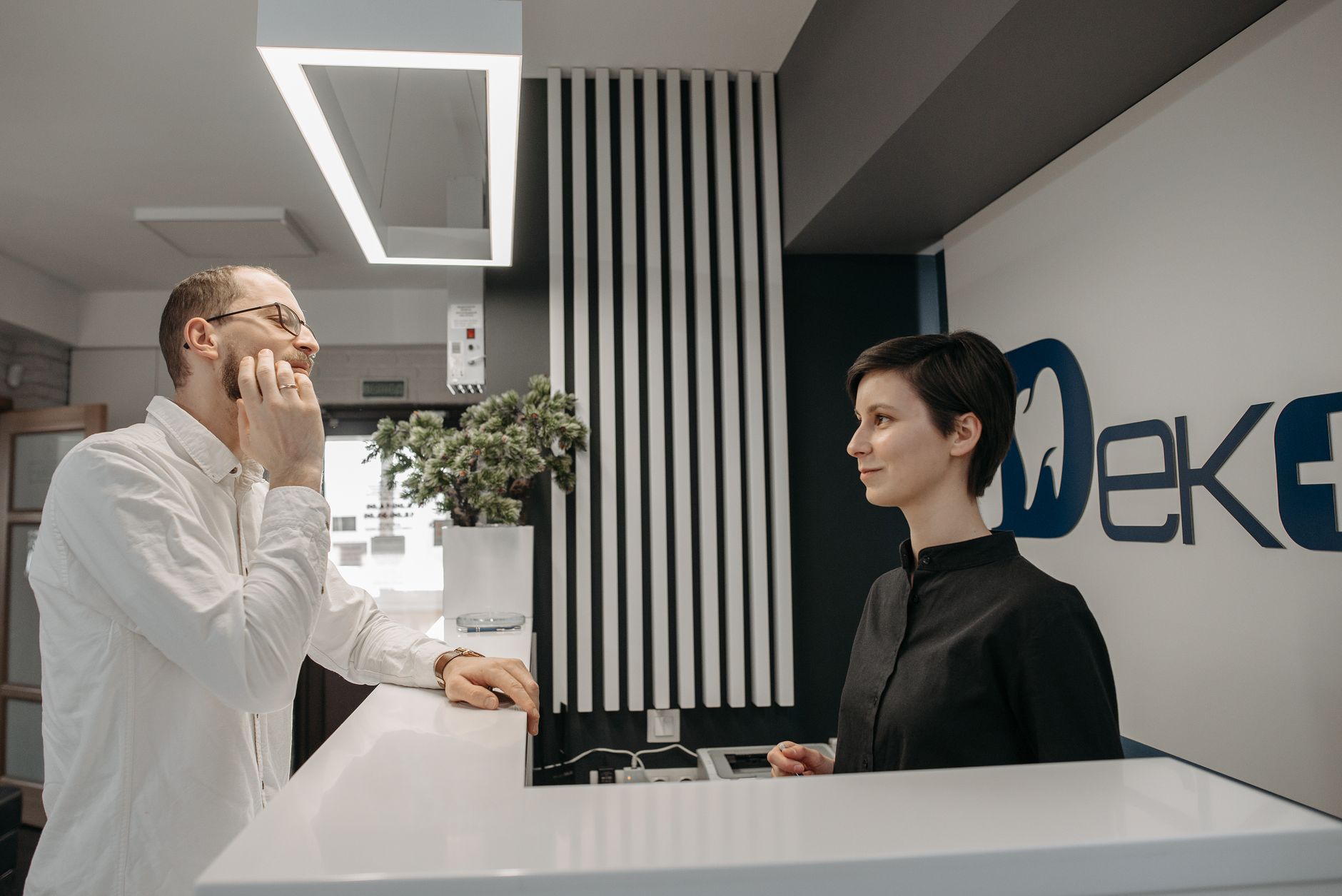
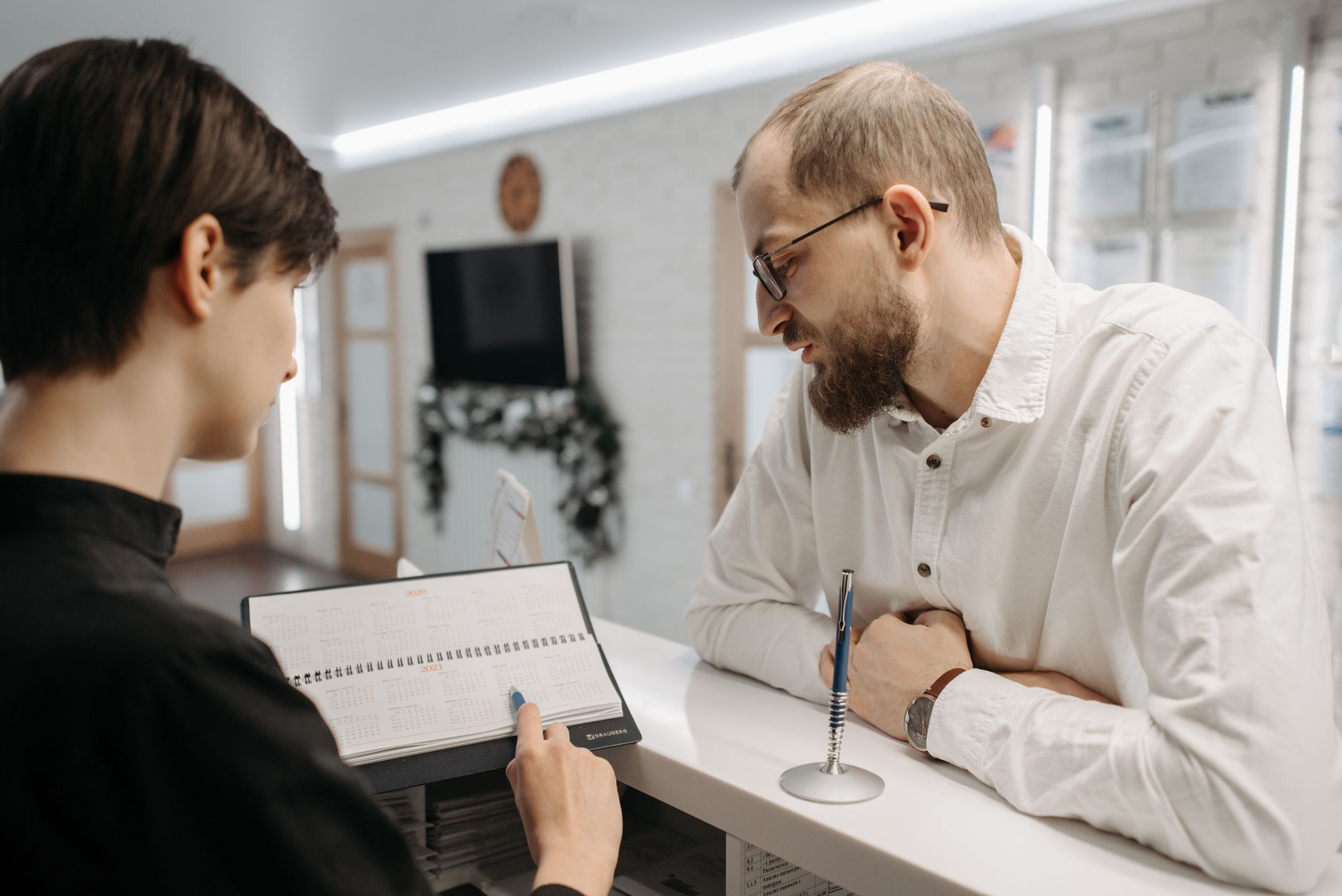
UK dental practices in areas with significant Arabic-speaking populations are leaving substantial revenue on the table by relying solely on English-language phone reception. When a prospective patient calls to enquire about dental implants, cosmetic procedures, or emergency treatment but cannot communicate effectively due to language barriers, most practices default to polite apologies or hurried attempts at translation that result in abandoned enquiries. This systemic communication gap represents one of the most overlooked revenue leakage points in UK dental practice management.
WhatsApp translation automation for Arabic dental enquiries enables UK practices to capture £24,000–£36,000 in previously lost implant and cosmetic treatment revenue annually by providing instant, accurate Arabic-to-English communication without hiring multilingual staff or relying on manual interpretation services.
Key Takeaways
- Arabic-speaking communities represent significant purchasing power in UK dental markets, particularly for high-value treatments like implants and cosmetic dentistry
- Phone-only reception creates immediate barriers when patients cannot communicate in English, leading to 68-82% enquiry abandonment
- WhatsApp-based translation automation provides real-time bidirectional communication without requiring multilingual reception staff
- Practices serving diverse communities can recover £2,000–£3,000 monthly in treatment revenue through automated translation systems
Why Are Arabic Dental Enquiries Increasing in UK Practices?
Arabic dental enquiries are growing across UK dental practices because demographic shifts have created concentrated Arabic-speaking communities in major metropolitan areas. According to Office for National Statistics census data, Arabic has become one of the fastest-growing languages spoken in UK households, particularly in London, Birmingham, Manchester, and Glasgow. These communities include established residents, international students, medical tourists, and professionals relocated for work—all demographics with higher-than-average dental treatment purchasing power.
The correlation between Arabic-speaking enquiries and high-value treatment interest is particularly strong. Patients from Middle Eastern backgrounds often prioritise cosmetic and restorative dentistry, viewing dental aesthetics as essential healthcare rather than optional procedures. When these prospective patients attempt to contact practices by phone and encounter language barriers, they typically abandon the enquiry immediately rather than persevere through communication difficulties.
Traditional dental practices address this through multilingual staff hiring or interpretation services, but both approaches create operational challenges. Hiring Arabic-speaking receptionists limits flexibility, increases payroll costs, and creates single points of failure when that staff member is unavailable. Telephone interpretation services introduce delays, awkward three-way conversations, and additional per-call costs that make them impractical for routine enquiry management.
What Revenue Do Practices Lose From Untranslated Arabic Enquiries?
The financial impact of language barriers in dental enquiry handling is substantial when calculated across annual enquiry volumes. A typical general dental practice in a diverse urban area receives 8–15 Arabic-language enquiries monthly for high-value treatments. When these enquiries cannot be processed effectively due to language barriers, the practice loses not just immediate appointments but entire patient lifecycles that would include multiple family members and ongoing treatment relationships.
Consider the revenue trajectory of a single implant enquiry. The initial treatment consultation represents £80–£150 in immediate revenue. If the patient proceeds with a single implant placement, the practice captures £2,200–£3,500 in treatment fees. When that patient brings family members or returns for additional cosmetic work, the lifetime value escalates to £8,000–£15,000. Multiply this by the 10–12 enquiries lost monthly due to language barriers, and practices forfeit £96,000–£180,000 in potential annual revenue.
The situation worsens because Arabic-speaking patients who successfully navigate communication barriers often become practice advocates within their communities. Word-of-mouth referrals in close-knit communities generate exponential value. When a practice cannot serve these initial enquiries, they lose both the immediate patient and the referral network that patient would have activated. This network effect amplifies the true cost of language barriers far beyond individual transaction values.
How Does WhatsApp Translation Automation Work for Dental Enquiries?
WhatsApp translation automation for Arabic dental enquiries functions through AI-powered language processing integrated with practice management workflows. When an Arabic-speaking prospective patient messages the practice WhatsApp number, the system instantly detects the language, translates the enquiry into English for practice staff, and maintains a bidirectional translation layer throughout the conversation. This happens in real-time without requiring manual intervention or third-party interpretation services.
The technical implementation uses natural language processing trained specifically on healthcare and dental terminology. Unlike generic translation tools that struggle with medical vocabulary, dental-focused translation systems understand context around procedures like "زراعة الأسنان" (dental implants), "تبييض الأسنان" (teeth whitening), and emergency scenarios. The AI maintains conversational context across message threads, ensuring that follow-up questions reference previous statements accurately.
From the practice perspective, reception staff see translated English messages in their familiar interface and respond naturally in English. The system translates responses back into Arabic before delivery to the patient. This eliminates training requirements, reduces errors, and allows existing staff to handle multilingual enquiries without language skills. For practices using CareDental's WhatsApp automation platform, this translation capability integrates with appointment booking, treatment information delivery, and follow-up sequences—all maintaining language consistency throughout the patient journey.
What Makes Arabic Translation Particularly Valuable for Dental Practices?
Arabic translation creates disproportionate value compared to other languages because of the specific demographics and treatment preferences within Arabic-speaking communities. These patients demonstrate higher conversion rates for cosmetic and restorative procedures, lower price sensitivity for quality work, and stronger family referral patterns. When a practice successfully serves one Arabic-speaking patient, they typically gain access to extended family networks seeking similar treatment.
The cultural context around dental care in Middle Eastern communities emphasises comprehensive treatment over minimal intervention. Patients from these backgrounds more frequently request full smile makeovers, multiple implants, and advanced cosmetic work rather than single-tooth repairs. This treatment philosophy aligns perfectly with the high-value services that generate the strongest profit margins for private dental practices.
Additionally, Arabic-speaking patients often research extensively before making contact, meaning enquiries represent warm leads rather than casual information requests. When these researched enquiries encounter language barriers, the contrast between preparation and communication failure creates particularly high abandonment rates. Practices that resolve this friction through automated translation capture patients who have already decided to proceed—they simply need a practice that can communicate effectively with them.
How Does This Compare to Hiring Multilingual Reception Staff?
Hiring Arabic-speaking reception staff creates immediate operational constraints that automated translation systems eliminate. A multilingual receptionist costs £24,000–£32,000 annually in salary plus employment costs, provides coverage only during their working hours, and represents a single point of failure during holidays or illness. The practice becomes dependent on one individual's availability, creating service gaps that frustrate patients and limit enquiry handling capacity.
Translation automation operates continuously across all practice hours and beyond, handling evening and weekend enquiries when Arabic-speaking patients frequently search for dental services. The system manages unlimited concurrent conversations without degrading response quality or speed. This scalability means practices can handle enquiry surges during holiday periods or after local community events without staffing adjustments.
Cost comparison reveals the efficiency advantage clearly. WhatsApp translation automation typically costs £200–£400 monthly depending on message volume and feature set—roughly 12-15% of multilingual staff salary costs while providing 24/7 coverage. The return on investment becomes positive after recovering just one or two implant patients monthly. For context, practices can explore detailed ROI comparisons between different lead recovery systems to understand the financial mechanics.
Can Automated Translation Handle Complex Dental Terminology Accurately?
Modern dental-specific translation systems handle complex terminology with accuracy that exceeds general-purpose translation tools because they're trained on healthcare-specific language datasets. The AI understands contextual differences between everyday Arabic and medical Arabic, correctly interpreting phrases like "ألم حاد في الضرس" (acute molar pain) versus "ألم خفيف" (mild discomfort) and translating with appropriate clinical precision.
Treatment names present particular translation challenges that specialised systems address through term recognition rather than literal translation. When a patient asks about "تيجان الزركونيا" (zirconia crowns) or "جسور الأسنان" (dental bridges), the system recognises these as specific procedure names and translates them to standard clinical terminology that reception staff immediately understand. This prevents the confusion that generic translation creates when literal word-by-word conversion produces ambiguous results.
The system also handles regional dialect variations within Arabic, recognising that patients from different countries use distinct vocabulary for identical concepts. Egyptian Arabic, Levantine Arabic, and Gulf Arabic each have unique dental terminology, and robust translation systems account for these variations. This linguistic flexibility ensures that patients from any Arabic-speaking background receive accurate communication regardless of their specific dialect or regional background.
What About Patient Privacy and Data Protection With Translation Services?
Patient privacy in translated dental enquiries requires GDPR-compliant systems that process personal health information securely. According to Information Commissioner's Office guidelines, any automated system handling patient communications must maintain data protection standards equivalent to direct staff interactions. Reputable WhatsApp automation platforms process translations through encrypted channels, store conversations securely, and maintain audit trails that satisfy regulatory requirements.
The technical architecture matters significantly for compliance. Cloud-based translation should use UK or EU data centres, encrypt messages in transit and at rest, and implement access controls that limit who can view patient conversations. Practices must verify that their automation provider signs Business Associate Agreements or Data Processing Agreements that clearly define liability and protection responsibilities.
Importantly, automated translation can enhance privacy compared to manual interpretation services. Instead of introducing third-party interpreters into conversations, the AI operates as part of the practice's technical infrastructure, reducing the number of individuals with access to patient information. This containment aligns with data minimisation principles while still enabling effective multilingual communication. Practices concerned about these compliance aspects should review requirements with their automation provider's data protection documentation.
How Do Patients Respond to Automated Translation in Healthcare Settings?
Patient acceptance of automated translation in dental enquiries is remarkably high when systems provide accurate, timely responses. Arabic-speaking patients contacting practices primarily want effective communication—they care less about whether translation happens through human interpreters or AI systems than whether their questions receive clear answers quickly. When automated translation delivers this outcome, patient satisfaction matches or exceeds traditional interpretation methods.
The asynchronous nature of WhatsApp communication actually improves the translation experience compared to phone-based interpretation. Patients can compose messages thoughtfully, review translated responses carefully, and ask follow-up questions without time pressure or awkward three-way conversation dynamics. This deliberate pace reduces miscommunication and allows patients to verify understanding before committing to appointments or treatments.
Cultural considerations around technology adoption work in favour of WhatsApp automation. Arabic-speaking communities in the UK demonstrate high smartphone usage rates and strong WhatsApp adoption, making this channel familiar and trusted. Patients already use WhatsApp for family communication, business interactions, and community coordination, so extending this to dental enquiries feels natural rather than foreign. The platform familiarity removes friction that might exist with proprietary practice apps or unfamiliar communication systems.
What Implementation Steps Do Practices Need for Arabic Translation Automation?
Implementing WhatsApp translation automation requires technical setup, staff training, and process integration that typically completes within 2-4 weeks. Practices begin by selecting an automation platform with proven healthcare translation capabilities—systems specifically designed for dental practices rather than generic business messaging tools. The provider should offer Arabic language support as a core feature, not an add-on requiring separate configuration.
Technical setup involves connecting the practice's WhatsApp Business account to the automation platform, configuring translation settings for Arabic-English bidirectional communication, and establishing message routing rules that direct enquiries to appropriate staff members. Practices should test translation accuracy with native Arabic speakers before going live, verifying that dental terminology translates correctly and that response flows make sense from a patient perspective.
Staff training focuses on handling translated conversations within existing workflows. Reception teams learn to recognise when they're communicating through translation, understand system limitations around idioms or complex phrasing, and know escalation procedures for situations requiring human translation review. Importantly, staff don't need Arabic language skills—they simply respond naturally in English while the system handles translation transparently. For practices already managing after-hours enquiries through WhatsApp automation, adding translation extends existing capabilities rather than creating entirely new processes.
Which UK Dental Practice Locations Benefit Most From Arabic Translation?
Dental practices in specific UK postcodes and demographic corridors gain disproportionate value from Arabic translation automation. London boroughs including Kensington & Chelsea, Westminster, Brent, and Tower Hamlets contain concentrated Arabic-speaking populations with high dental treatment demand. Birmingham's Sparkbrook and Bordesley Green areas, Manchester's Moss Side and Rusholme districts, and Glasgow's Southside neighbourhoods similarly show strong Arabic-speaking demographics that generate consistent enquiry volumes.
Beyond major metropolitan areas, university cities with substantial international student populations create seasonal demand for Arabic dental services. Edinburgh, Nottingham, Sheffield, and Leeds host thousands of Arabic-speaking students who require dental care during their UK studies and often seek practices that accommodate their language needs. These students represent not just immediate treatment revenue but potential long-term patients if they settle in the UK post-graduation.
Interestingly, practices near major transport hubs and business districts also benefit from Arabic translation despite not serving residential Arabic-speaking communities. International business travellers, diplomats, and medical tourists frequently seek emergency or cosmetic dental services while in the UK. These transient patients typically have generous budgets for quality care and prefer practices that communicate in their native language. Automated translation enables practices to capture this high-value occasional demand without maintaining permanent multilingual staff for intermittent enquiries.
How Does Arabic Translation Integration Affect Overall Practice Efficiency?
Arabic translation automation improves overall practice efficiency beyond just serving Arabic-speaking patients because it introduces systematic enquiry management that benefits all patient communications. Practices implementing WhatsApp automation for translation typically extend the system to handle all incoming enquiries, creating consistent documentation, follow-up protocols, and conversion tracking that didn't exist in phone-only operations.
The efficiency gains compound when reception staff no longer juggle phone calls, voicemail follow-ups, and ad-hoc interpretation simultaneously. WhatsApp enquiries queue cleanly, allow staff to batch-process responses during quieter periods, and maintain conversation history that eliminates the "Can you remind me what you called about?" problem endemic to phone-based reception. This organised approach reduces staff stress, minimises errors, and creates capacity to handle higher enquiry volumes without additional headcount.
Data visibility represents another efficiency advantage. Automated systems track enquiry sources, conversion rates, and response times across all languages, providing practice managers with performance metrics that telephone reception never generated. When practices analyse this data, they identify patterns around peak Arabic enquiry times, common treatment questions, and conversion bottlenecks—insights that enable continuous improvement. Similar analysis applies to other operational challenges like phone abandonment rates and consultation no-shows.
Frequently Asked Questions
Does Arabic translation automation work for emergency dental enquiries?
Yes, translation systems handle emergency enquiries effectively by recognising urgent terminology and prioritising these messages for immediate staff attention. The AI detects phrases indicating pain, trauma, or acute problems and routes these conversations to designated emergency response workflows while maintaining accurate translation throughout the interaction.
Can the system handle enquiries in multiple Arabic dialects simultaneously?
Quality translation platforms recognise and process various Arabic dialects including Egyptian, Levantine, Gulf, and Maghrebi variations. The system identifies dialect-specific vocabulary and translates appropriately, ensuring patients from different Arabic-speaking countries receive accurate communication without requiring separate configuration for each regional variant.
What happens if the translation system encounters phrases it cannot translate accurately?
Advanced systems flag uncertain translations for human review rather than delivering potentially incorrect information. When the AI encounters ambiguous phrasing, complex idioms, or unclear context, it notifies staff that review is recommended while still providing a best-effort translation. This fail-safe approach prevents miscommunication around critical treatment details.
How quickly can practices see revenue impact from implementing Arabic translation?
Most practices observe measurable revenue impact within 4-6 weeks of implementation as converted Arabic-speaking enquiries progress through treatment planning and procedure completion. The timeline depends on typical treatment cycles—implant cases take longer to generate revenue than cosmetic procedures, but practices typically recover implementation costs within the first quarter through captured enquiries that would have otherwise been lost.
Capture Arabic-Speaking Patient Revenue Starting Today
Arabic dental enquiries represent substantial untapped revenue for UK practices in diverse communities, but traditional approaches to language barriers create operational constraints and missed opportunities