Dental CRM vs Practice Management Software: What's the Difference and Which Do You Need?
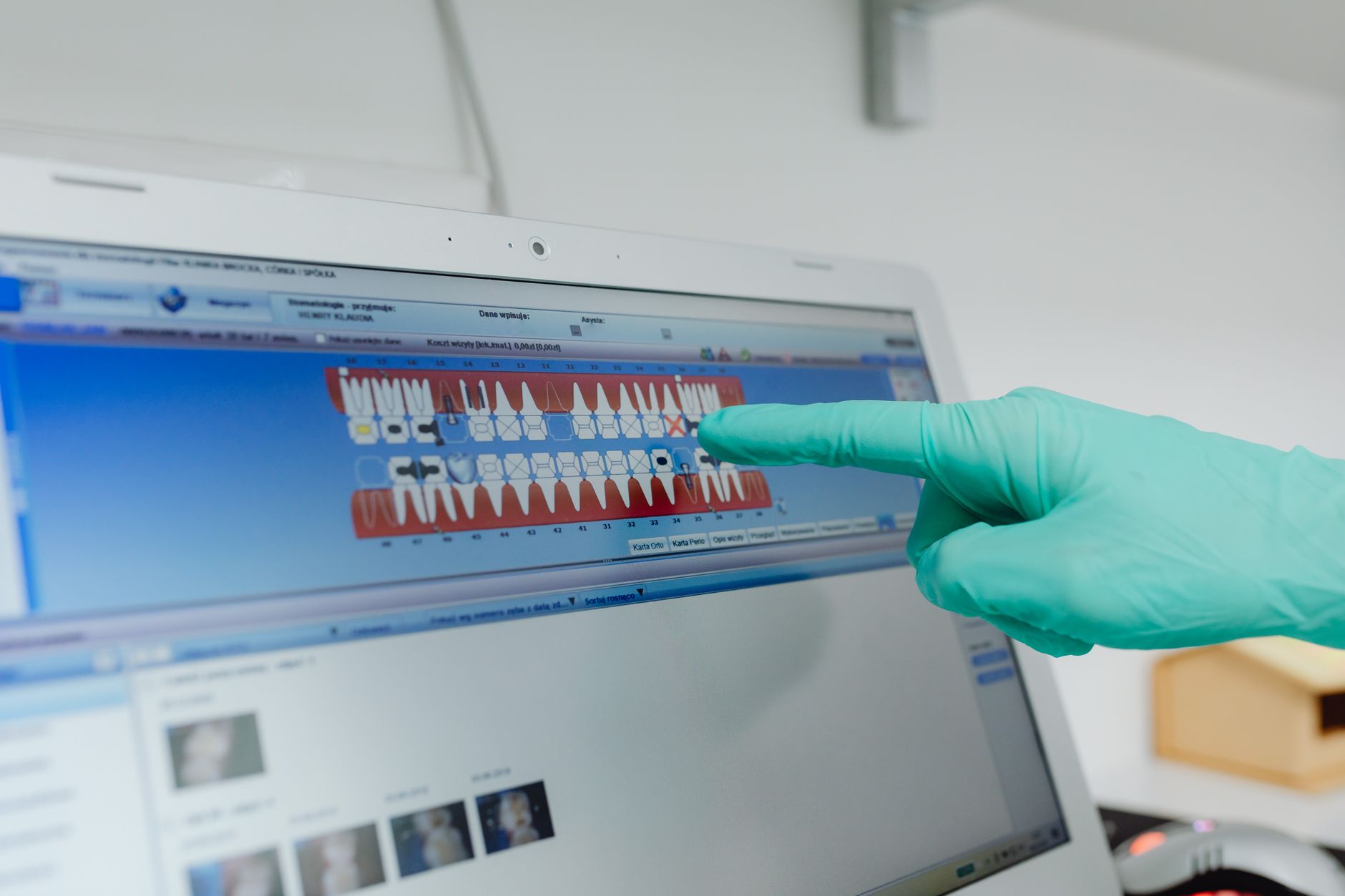
The lines between a dental CRM and practice management software have blurred in recent years, leaving many UK clinic owners confused about which system they actually need — or whether they need both. While practice management software handles the clinical and operational backbone of your practice, a dental CRM focuses specifically on patient acquisition, relationship nurturing, and revenue growth from your marketing efforts. Understanding this distinction is critical before you invest thousands in the wrong solution.
Dental practice management software manages appointments, clinical records, and billing for existing patients, while a dental CRM focuses on converting enquiries into booked appointments, nurturing leads, and tracking marketing ROI — with many modern practices benefiting from both systems working together.
Key Takeaways
- Practice management software excels at clinical workflows and patient records for those already in your system, while CRMs specialise in lead capture, conversion, and relationship building before the first appointment
- Most established UK dental practices already have practice management software but lack proper CRM functionality, creating a critical gap in their patient acquisition pipeline
- The ideal setup for growing practices combines both systems through integration, allowing marketing data to flow into clinical records once a lead converts to a patient
- Choosing between the two depends on your practice's specific pain points: are you losing revenue through poor lead follow-up, or struggling with clinical operations?
What Is Dental Practice Management Software?
Practice management software serves as the operational backbone of your dental clinic, handling everything that happens after a patient enters your system. These comprehensive platforms manage appointment scheduling, clinical charting, treatment planning, NHS and private billing, imaging integration, and compliance documentation required by the Care Quality Commission. Think of it as your digital practice manager, ensuring that once someone becomes a patient, their entire journey through your clinic runs smoothly.
Popular systems like Dentally, Software of Excellence, and Exact dominate the UK market, and for good reason — they're specifically built to meet NHS contractual requirements and UK-specific regulatory frameworks. These platforms excel at managing complex treatment plans, tracking UDA delivery, processing payments through Worldpay or Stripe, and maintaining the detailed clinical records required under General Dental Council standards. If you're running a multi-chair practice with several clinicians, practice management software becomes absolutely essential for coordinating the complex dance of scheduling, resource allocation, and financial tracking.
However, here's what practice management software typically doesn't do well: it won't help you convert the website enquiry that came in last Tuesday at 9pm, it won't automatically follow up with the caller who hung up before reaching reception, and it certainly won't track which of your Facebook ads generated the most valuable new patient registrations. That's because these systems are designed around patients who already exist in your database, not the leads and enquiries that sit outside your practice ecosystem.
What Makes a Dental CRM Different?
A Customer Relationship Management system for dental practices focuses specifically on the journey before someone becomes an established patient in your practice management software. A proper dental CRM captures every enquiry from your website, social media, phone calls, and walk-ins, then tracks each interaction until that lead either books their first appointment or drops out of your pipeline. The core function is converting interested prospects into revenue-generating patients while ensuring no opportunity slips through the cracks due to slow response times or poor follow-up.
Modern dental CRMs like CareDental go further by automating the most critical touchpoints in this conversion journey. When someone submits a website form at 10pm on a Sunday, your CRM can immediately send a personalised WhatsApp message acknowledging their enquiry and offering appointment slots, rather than leaving them waiting until Monday morning when they've already contacted three other practices. This automation extends to appointment reminders, post-treatment follow-ups, and re-engagement campaigns for patients who haven't visited in months — all happening without additional workload for your reception team.
The data insights from a CRM transform your marketing from guesswork into science. You'll see exactly which channels bring you the highest-value patients, how many enquiries you're losing to slow response times, and where in your conversion funnel potential patients are dropping off. This intelligence is invaluable for practice owners who invest in Google Ads, Facebook campaigns, or SEO but have no visibility into whether those marketing pounds translate into actual appointment bookings and treatment acceptance.
Why Do Most Dental Practices Already Have One But Not the Other?
Nearly every established UK dental practice operates with practice management software because it's virtually impossible to run a compliant, efficient clinic without one. These systems are non-negotiable infrastructure, much like having an autoclave or digital x-ray equipment. The NHS reporting requirements alone make manual record-keeping impractical for any practice handling NHS contracts, and private practices benefit equally from the billing, scheduling, and clinical documentation capabilities these platforms provide.
In contrast, most practices operate without a dedicated dental CRM, relying instead on manual processes, spreadsheets, or basic features within their practice management software that weren't designed for lead management. This gap exists because until recently, patient acquisition moved at a slower pace — practices built their patient bases through word-of-mouth over years, and a missed phone call here or there didn't dramatically impact growth. Enquiries came primarily via phone during business hours, when reception staff could handle them in real-time.
The digital transformation of patient behaviour has made this approach obsolete. Today's potential patients research practices online, submit enquiries outside business hours, expect responses within minutes not days, and move on quickly if you don't engage them immediately. As we explored in our article on how practices lose patients before their first appointment, this shift has created a critical vulnerability that practice management software simply wasn't built to address. The result? Practices invest thousands in marketing to generate enquiries, then lose a substantial portion of those leads due to slow follow-up or lack of systematic nurturing.
Can Practice Management Software Function as a CRM?
Some practice management platforms include basic CRM-like features — contact management, appointment reminders, and perhaps some automated messaging capabilities. However, these features typically only work for patients already registered in your system, which misses the entire pre-conversion phase where most revenue leakage occurs. If someone fills out your website contact form but never completes registration, they're invisible to your practice management software, creating a black hole where potential patients disappear without trace.
The fundamental architectural difference matters here: practice management software is built around the concept of registered patients with comprehensive clinical records, treatment histories, and billing accounts. It's optimised for depth of information about fewer people. A CRM, conversely, is designed to handle high volumes of incomplete contact records — someone who's only provided a name and phone number, or an Instagram message enquiry, or a half-completed online form. These systems excel at breadth and relationship tracking across multiple touchpoints before complete information is gathered.
Moreover, practice management systems typically lack the marketing attribution and campaign tracking that CRMs provide as core functionality. You can't easily answer questions like "Which marketing channel has the best ROI?" or "How many Facebook leads converted to patients this quarter?" using practice management software alone. This blind spot means you're flying blind with your marketing investment, unable to optimise spending or identify which channels deserve more budget and which are wasting money.
When Does Your Practice Need a Dedicated Dental CRM?
If you're actively investing in marketing — whether that's Google Ads, Facebook advertising, SEO, or even traditional methods like local sponsorships — a CRM becomes essential to protect that investment. Without systematic lead tracking and follow-up, research suggests that practices typically fail to follow up with a significant portion of enquiries, essentially flushing marketing spend down the drain. The larger your marketing budget, the more critical a CRM becomes to ensure every pound generates maximum return.
Growing practices with multiple enquiry channels face particular challenges without a CRM. When leads come from your website, Google My Business, social media, phone calls, email, and walk-ins, coordinating follow-up becomes impossible without a centralised system. Your reception team can't possibly remember who needs calling back, which enquiries received responses, or which leads are still warm versus gone cold. A CRM creates a single source of truth where every team member can see the status of every potential patient and who's responsible for the next action.
Practices experiencing high no-show rates or patient attrition also benefit significantly from CRM automation. Automated appointment reminders via WhatsApp or SMS, coupled with re-engagement campaigns for lapsed patients, typically reduce no-shows and fill schedule gaps that would otherwise represent lost revenue. If you find your appointment book has unexpected holes or you're struggling to maintain a steady flow of new patient registrations, these symptoms often indicate a need for better relationship management that a CRM provides.
How Do the Two Systems Work Together in Modern Practices?
The most effective setup combines both systems through integration, creating a seamless patient journey from first enquiry to ongoing treatment. Your CRM captures and nurtures leads through the conversion process, then once someone books their first appointment and completes registration, their record syncs to your practice management software where clinical information, treatment plans, and billing take over. This handoff ensures nothing falls through the cracks during the transition from prospect to patient.
Many modern CRMs offer integration capabilities with popular UK practice management platforms, though the depth of integration varies. At minimum, look for systems that can push converted patient details into your practice management software to avoid duplicate data entry. More sophisticated integrations allow appointment data to flow both directions, so your CRM knows when a lead successfully attended their first appointment and can trigger appropriate follow-up sequences for treatment plan acceptance or review bookings.
This integrated approach also solves the compliance considerations that rightly concern UK practice owners. Patient data remains properly secured within your practice management software under your existing ICO registration and GDPR protocols, while the CRM handles pre-patient enquiry data with appropriate consent mechanisms. The two systems each operate within their appropriate regulatory scope, maintaining the clinical governance and data protection standards your practice requires.
What Should You Look for When Choosing Between Systems?
Start by honestly assessing your practice's biggest pain point. If you're struggling with clinical operations, appointment coordination, or NHS reporting, strengthening your practice management platform should take priority. However, if you're losing leads, uncertain about marketing ROI, or struggling to convert enquiries into booked appointments, a CRM addresses the more critical vulnerability. Many established practices already have solid practice management but lack any systematic lead management, making a CRM the more impactful investment.
For CRM selection specifically, prioritise systems built for UK dental practices rather than generic CRMs adapted for healthcare. UK-specific solutions understand the nuances of NHS versus private patient acquisition, integrate with UK payment processors, and operate within UK data protection frameworks. Look for automation capabilities that genuinely reduce workload rather than creating more administrative burden — the best systems like CareDental operate invisibly in the background, handling lead follow-up automatically via channels like WhatsApp that patients actually prefer.
Integration capabilities matter immensely for long-term efficiency. Even if you implement systems separately initially, ensure your chosen CRM offers pathways to connect with your practice management software in future. This prevents data silos and double-entry that waste staff time and introduce errors. Ask vendors specifically about integration with your existing practice management platform, and request case studies from similar-sized UK practices who've successfully implemented the integrated workflow.
Frequently Asked Questions
Can I just use my practice management software for everything?
While technically possible for very small practices with minimal marketing activity, using only practice management software creates significant blind spots in your lead conversion process. You'll lack visibility into enquiries that never complete registration, lose opportunities to automated competitors who respond faster, and have no way to track marketing ROI. Most practices discover they're leaving substantial revenue on the table by relying solely on practice management software for all patient relationship functions.
How much does a dental CRM typically cost compared to practice management software?
Practice management software typically represents a larger investment, often ranging from several hundred to over a thousand pounds monthly depending on practice size and features. Dental CRMs generally cost less, with many charging per-location or per-user fees that scale with practice size. However, cost shouldn't be the primary decision factor — consider instead the revenue protection a CRM provides by converting more enquiries into patients, which typically delivers ROI within the first few months of implementation.
Will implementing a CRM create more work for my reception team?
A properly implemented dental CRM should reduce workload, not increase it. The automation handles routine follow-ups, appointment reminders, and lead nurturing that would otherwise require manual phone calls, texts, or emails. Your team shifts from reactive firefighting to proactive management of a smaller number of leads that need personalised attention. If a CRM vendor's solution creates more administrative burden, that's a red flag indicating poor system design or inadequate automation capabilities.
Do I need special training to use a dental CRM?
Modern dental CRMs are designed for practice staff, not IT professionals, and should require minimal training — typically a few hours maximum. The best systems offer intuitive interfaces that mirror communication tools your team already uses daily. However, understanding the strategic principles of lead management — response time importance, follow-up sequences, and conversion tracking — does require some education. Quality CRM providers include onboarding support and ongoing training resources to ensure your team maximises the system's value.
Making the Right Choice for Your Practice's Growth
The question isn't really whether you need dental CRM or practice management software — most UK practices need both systems working in harmony to deliver optimal results. Your practice management software handles the complex operational reality of running a compliant, efficient dental clinic, while your CRM protects the marketing investment and patient acquisition efforts that keep your appointment book full. Trying to force one system to do both jobs inevitably creates compromises that cost you patients and revenue.
For practices at different stages, the priority varies. New practices might implement both systems from day one, building integrated workflows from the ground up. Established practices typically already have practice management software and should evaluate whether gaps in lead management and conversion are costing them growth opportunities. The ROI calculation is straightforward: if you're spending money on marketing but lacking systematic lead follow-up, a CRM pays for itself by converting even a modest percentage more of the enquiries you're already generating.
The dental landscape continues evolving toward more sophisticated, data-driven patient acquisition. Practices that treat lead management with the same professionalism they apply to clinical operations position themselves for sustainable growth in an increasingly competitive market. Whether you implement a CRM first, strengthen your practice management platform, or integrate both systems simultaneously, the key is moving beyond manual processes and hoping for the best. Your patients — and your bottom line — deserve better.
Ready to see how a purpose-built dental CRM can transform your patient acquisition? Book a free demo with the CareDental team to discover how our WhatsApp-powered lead recovery system helps UK practices convert more enquiries into booked appointments without adding workload to your reception team. See exactly where your current process is losing patients and how automation can protect your marketing investment.