Dental Practice Management Software vs Lead Management Software: Which One Actually Recovers Lost Revenue?
Most UK dental practices invest thousands in practice management software to streamline operations, yet still lose £40,000+ annually in missed enquiries and abandoned leads. The fundamental disconnect? Your PMS excels at managing existing patients but does virtually nothing to convert the enquiries disappearing between "I'm interested" and "book me in."
Dental practice management software manages appointments, clinical records and billing for current patients, while lead management software focuses exclusively on converting new enquiries into booked consultations—preventing revenue loss from dropped conversations, delayed responses and manual follow-up failures that PMS systems cannot address.
Key Takeaways: Understanding the Revenue Gap
- Practice management software (PMS) optimises operations for existing patients but lacks enquiry conversion tools
- Lead management software prevents revenue loss by automating responses, follow-ups and recovery of abandoned conversations
- UK practices using PMS alone lose £3,300+ monthly from enquiries that never convert to appointments
- The two systems serve complementary functions—PMS manages the practice, lead management captures the revenue
What Does Dental Practice Management Software Actually Do?
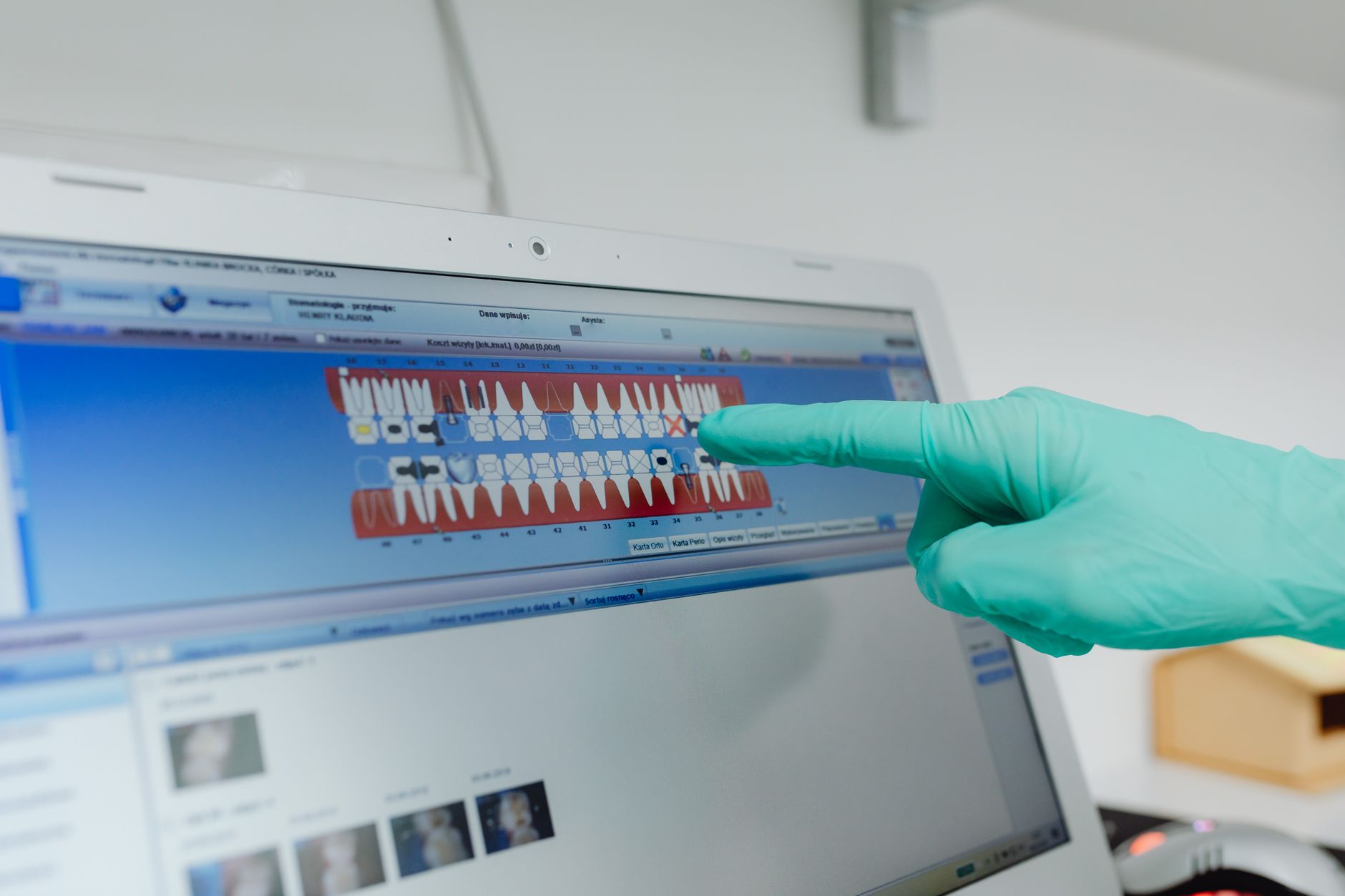
Dental practice management software represents the operational backbone of modern clinics. Systems like Dentally, Software of Excellence, and R4 handle appointment scheduling, clinical charting, treatment planning, billing and NHS claims processing. They're designed to manage the patient journey after someone becomes a patient—storing medical histories, tracking treatment progress, managing recall systems and generating financial reports.
These platforms excel at efficiency for your existing patient base. Reception staff can view appointment calendars, dentists access clinical notes chairside, and practice managers extract performance metrics. The General Dental Council requires proper record-keeping, and PMS systems deliver robust compliance tools for clinical documentation and data protection.
However, PMS platforms contain a critical blind spot: they assume the patient is already in your system. When someone sends a WhatsApp enquiry at 7pm asking about implant costs, or emails on Saturday morning about cosmetic options, your expensive practice management software offers no mechanism to capture, respond or nurture that conversation. The enquiry sits unanswered until Monday morning—by which time the prospect has contacted three competitors.
Why Practice Management Software Fails at Lead Conversion
The architectural design of PMS platforms creates systematic revenue leakage. These systems were built for appointment management and clinical workflows, not enquiry conversion psychology. When a potential patient expresses interest, they enter what behavioural researchers call the "consideration window"—a 24-48 hour period where purchase intent peaks before declining sharply.
Your PMS cannot send automated responses acknowledging weekend enquiries. It doesn't nurture prospects who said "I'll think about it" with personalised follow-up messages. It lacks the conversion intelligence to recognise when someone has gone silent after initial interest, or to automatically offer flexible appointment options when standard slots don't suit. These aren't features PMS vendors neglected—they're outside the system's fundamental purpose.
Consider what happens during reception lunch breaks when implant enquiries arrive. Your £300+ monthly PMS subscription continues running perfectly, managing existing patient records. Meanwhile, the £8,000 implant case enquiry that came in at 12:47pm receives no response for 73 minutes. The prospect moves on. Your PMS logged nothing because the interaction never progressed to patient record creation.
What Is Lead Management Software and How Does It Work?
Lead management software operates at the opposite end of the patient journey—the crucial conversion phase where interested prospects either become booked consultations or disappear forever. Purpose-built platforms focus exclusively on capturing enquiries across channels (phone, web forms, WhatsApp, email), responding instantly with appropriate messaging, and systematically nurturing conversations until booking occurs.
Advanced lead management for dental practices incorporates AI-driven response automation, contextual follow-up sequences based on enquiry type, and intelligent escalation when human intervention becomes necessary. The system recognises patterns in prospect behaviour—someone asking about payment plans likely has financial concerns requiring different messaging than someone simply requesting available dates.
At CareDental, our WhatsApp-focused approach addresses the specific channel where most modern enquiries occur and where practice teams struggle most with timely responses. The platform operates 24/7, providing instant acknowledgment when prospects message outside business hours, automatically following up with prospects who've gone silent, and recovering conversations that would otherwise die in reception staff workloads. Unlike generic CRM systems, it's calibrated specifically for dental enquiry patterns and UK market expectations.
Which System Actually Recovers Lost Revenue?
The revenue recovery question reveals the fundamental difference between these technologies. Practice management software prevents revenue loss through operational efficiency—reducing appointment no-shows via SMS reminders, identifying patients overdue for hygiene appointments, streamlining billing to accelerate payment collection. These are valuable cost savings and revenue optimisations within your existing patient base.
Lead management software prevents a different category of revenue loss entirely: the £40,000+ that UK practices lose annually from enquiries that never convert to appointments. This revenue never appears in your PMS because these prospects never became patients. They're invisible losses—the implant case that went to a competitor who responded faster, the cosmetic consultation abandoned when follow-up took four days, the finance enquiry that died when reception couldn't immediately address credit concerns.
Research by the British Dental Association indicates private dental practices receive 40-60 new patient enquiries monthly on average. If your conversion rate from enquiry to appointment sits at 40% (common without systematic lead management), you're losing 24-36 potential patients monthly. At an average first-year patient value of £800-1,200, that's £19,200-43,200 in annual missed revenue that no PMS optimization can recover.
Do I Need Both Systems or Just One?
This question misunderstands how the technologies complement each other. Asking whether you need PMS or lead management is like asking whether your practice needs clinical equipment or a reception desk—both serve essential but entirely different functions. The confusion arises because some PMS vendors have added basic "enquiry tracking" modules that create the illusion of lead management capability.
These bolt-on features typically allow reception staff to manually log enquiry details and set follow-up reminders. However, they lack the automation, channel integration and conversion intelligence that actually prevent revenue loss. Manual systems fail because they depend on staff remembering to follow up during busy clinical days, cannot respond outside business hours, and lack the psychological sequencing that converts hesitant prospects.
The optimal technology stack includes robust PMS for operational excellence plus dedicated lead management for enquiry conversion. The systems operate in sequence: lead management converts prospects into booked consultations, at which point they enter your PMS as new patients for ongoing clinical and administrative management. Integration between the two systems ensures seamless data flow without duplicate entry.
How Much Revenue Does Lead Management Actually Recover?
Quantifying lead management ROI requires examining specific failure points in typical enquiry workflows. Consider a three-clinician mixed practice in Birmingham receiving 50 enquiries monthly across phone, email and WhatsApp. Without systematic lead management, common scenarios include delayed responses to after-hours enquiries, prospects who said "I'll check my diary and get back to you" never receiving follow-up, and casual "just browsing" enquiries receiving no nurture sequence.
Conservative estimates suggest 30% of enquiries fall into these gaps—15 lost opportunities monthly. If even half represent legitimate prospects who would have converted with proper follow-up, that's 7-8 missed new patients monthly. At £1,000 average first-year value, the practice loses £84,000-96,000 annually in revenue that proper lead management would capture.
The recovery mechanism operates through several channels. Instant automated responses prevent prospects from contacting competitors while waiting for your reply. Intelligent follow-up sequences re-engage prospects who've gone silent after initial interest. Multi-language support ensures non-English speaking prospects receive comprehensible communication. AI-driven qualification identifies high-intent prospects requiring priority human follow-up versus casual browsers requiring nurture sequences.
What Are the Real Costs of Each System?
Practice management software typically costs £200-400 monthly for cloud-based systems, with additional per-user fees beyond base licenses. Implementation involves data migration from legacy systems, staff training and potential integration costs with imaging software, digital radiography and payment processors. Total first-year costs often reach £5,000-8,000 including setup, with ongoing annual costs of £3,000-5,000. These represent necessary operational investments with ROI delivered through efficiency gains and compliance assurance.
Lead management software operates at a different cost structure because it generates direct revenue rather than simply reducing operational costs. Pricing models vary significantly—some platforms charge per-conversation fees that become expensive at scale, while others offer flat monthly rates regardless of enquiry volume. Implementation is typically faster than PMS deployment because the system operates independently without requiring clinical workflow integration.
The critical cost comparison examines ROI rather than absolute spend. A PMS costing £4,000 annually that reduces no-show rates by 15% might recover £6,000-8,000 in saved appointment slots. Lead management costing £2,400 annually that converts an additional 10 enquiries monthly into £1,000 first-year-value patients generates £120,000 in recovered revenue. The magnitude of return differs dramatically because you're capturing revenue that previously disappeared entirely rather than optimizing existing revenue streams.
Can Practice Management Software Be Upgraded to Handle Leads?
Many PMS vendors have recognised the enquiry conversion gap and added modules labelled "lead management" or "enquiry tracking." These additions represent welcome acknowledgment of the problem but typically lack the depth required for systematic revenue recovery. The limitations stem from the platforms' core architecture—they're designed for structured data management (patient records, appointments, clinical notes) rather than unstructured conversation management.
PMS-based enquiry modules can log that someone called about implants and schedule a follow-up reminder. They cannot automatically respond to WhatsApp messages at 8pm, recognise when someone's gone silent for three days and trigger a personalised re-engagement message, or adjust follow-up timing based on enquiry urgency signals. The systems lack natural language processing, channel integration beyond basic SMS, and the conversion psychology intelligence that turns interested prospects into booked appointments.
Additionally, PMS platforms weren't designed for the communication channels where modern enquiries occur. While they may offer patient portals for existing patients, they don't integrate with WhatsApp (where 68% of UK dental enquiries now arrive), cannot handle multi-language conversations, and lack the instant response capabilities that prospects expect from messaging platforms. Upgrading your PMS won't solve the fundamental problem of manual follow-up failures that cost practices thousands monthly.
How Do I Know Which System My Practice Actually Needs?
The decision framework becomes clear when you examine where revenue loss occurs in your specific practice. If patients frequently miss appointments, clinical documentation consumes excessive staff time, or billing errors create collection delays, your PMS requires attention—either upgrading to a more robust platform or better training staff on existing system features. These are operational efficiency problems.
If enquiries go unanswered for hours during busy periods, prospects who said "I'll think about it" never receive follow-up, or you suspect competitors are capturing enquiries your team misses, you face a lead conversion problem. No PMS upgrade addresses this category of revenue loss. You require dedicated lead management that operates independently of clinical workflows, functions 24/7 regardless of reception staffing, and systematically nurtures every prospect until they book or explicitly decline.
Most established UK practices already have functional PMS in place. The question isn't whether to replace it but whether to add lead management capability that recovers the revenue currently disappearing in enquiry handling gaps. Calculate your monthly enquiry volume, estimate your current enquiry-to-appointment conversion rate, and multiply lost conversions by average patient value. If that number exceeds £3,000 monthly, lead management delivers immediate positive ROI even before considering long-term patient lifetime value.
Frequently Asked Questions
Can lead management software integrate with my existing practice management system?
Yes, modern lead management platforms offer integration capabilities with major PMS systems. When a lead converts to a booked appointment, patient details can automatically flow into your PMS, eliminating duplicate data entry. However, the two systems operate independently—lead management doesn't require PMS integration to function effectively, though integration improves workflow efficiency once prospects become patients.
What happens to enquiries in my PMS if I add lead management software?
Lead management handles enquiries from first contact through booking confirmation. Once an appointment is booked, the individual transitions to patient status in your PMS for ongoing clinical and administrative management. The systems work sequentially rather than competitively—lead management captures and converts prospects, then hands confirmed patients to your PMS for treatment delivery and relationship management.
How long does it take to see ROI from lead management versus PMS improvements?
Lead management typically delivers faster ROI because it captures previously lost revenue rather than optimising existing revenue streams. Practices often see recovered appointments within the first month of implementation. PMS ROI accrues more gradually through accumulated efficiency gains, reduced no-shows and improved billing collection over 6-12 months. Both investments pay for themselves, but lead management addresses the larger revenue leak in most practices.
Do I need technical expertise to manage both systems?
Practice management systems require ongoing administration for appointment configuration, clinical templates and reporting customisation. Lead management platforms are designed for simpler operation—once initial response messages and follow-up sequences are configured, the system operates autonomously with minimal intervention. Most practices assign PMS administration to practice managers while allowing reception teams to monitor lead management dashboards without deep technical involvement.
Stop Losing Revenue to Enquiry Gaps: See the Difference Lead Management Makes
Your practice management software runs perfectly—managing appointments, storing clinical records, processing payments. Yet thousands in potential revenue disappear monthly because enquiries arrive when reception is busy, prospects go silent after initial interest, and follow-up depends on someone remembering during a hectic clinical day. Lead management doesn't replace your PMS; it captures the revenue your PMS was never designed to protect.
Book a free demo to see how CareDental's WhatsApp-focused lead management recovers the £40,000+ that typical UK practices lose annually to dropped enquiries, delayed responses and manual follow-up failures. Discover exactly where revenue is disappearing in your current enquiry workflow—and how systematic lead management captures it automatically while your team focuses on delivering exceptional patient care.