Dental Practice Management Software vs WhatsApp Lead Recovery: Cost Comparison UK 2025
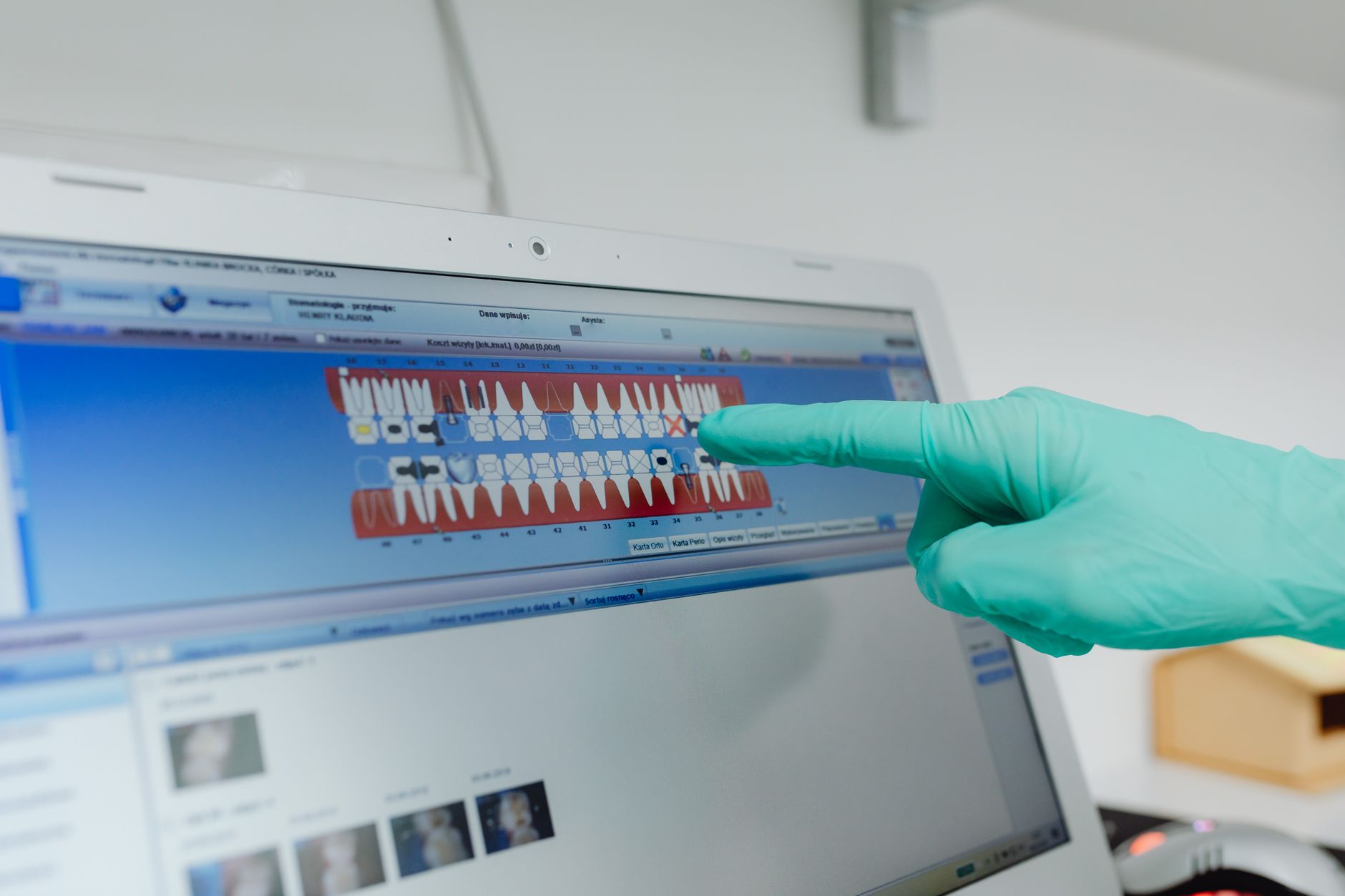
UK dental practices spend thousands annually on comprehensive practice management software, yet lose even more revenue to missed WhatsApp enquiries that these expensive platforms cannot capture. While NHS spending on digital transformation reaches record levels, the gap between internal operational systems and external patient communication channels creates a hidden cost that most clinic owners haven't calculated.
Dental practice management software typically costs £150-600 monthly per practice, managing internal workflows but missing the 68% of patient enquiries arriving via WhatsApp outside reception hours—creating an untracked revenue gap that often exceeds the software investment itself through abandoned leads worth £2,000-8,000 monthly.
Key Takeaways: Understanding True Software Costs
- Traditional practice management systems cost £1,800-7,200 annually but don't capture WhatsApp enquiries, which represent the majority of after-hours patient contact in 2025
- Missed WhatsApp leads create hidden monthly losses of £2,000-8,000 per practice through abandoned enquiries that never reach your appointment book
- WhatsApp-specific lead recovery solutions cost £149-399 monthly whilst capturing previously lost revenue streams that traditional software cannot access
- Combined approach costs less than one lost implant case monthly whilst protecting both internal operations and external communication channels
What Does Dental Practice Management Software Actually Cost UK Practices in 2025?
The dental practice management software cost depends heavily on practice size, features required, and deployment model. Single-surgery practices typically pay £150-250 monthly for cloud-based systems handling appointments, clinical records, and basic NHS claims. Multi-surgery operations with 3-5 chairs often invest £400-600 monthly for enterprise platforms with advanced reporting, multiple user access, and integrated imaging capabilities.
These monthly subscriptions don't include setup fees, which range from £500-2,000 for data migration, staff training, and system configuration. Most practices also budget for ongoing costs including annual support contracts at 15-20% of licence value, hardware upgrades for compliant machines, and external IT support when internal issues arise. A realistic annual total cost of ownership for a three-chair practice typically reaches £5,000-8,000 when all factors are included.
What these figures don't reveal is the functional limitation: traditional practice management platforms manage internal workflows brilliantly but remain entirely blind to the communication channel where most 2025 patient enquiries actually arrive. Your £6,000 annual software investment captures every appointment made through your phone system, yet misses the WhatsApp message at 7pm asking about implant costs, the Saturday morning orthodontics enquiry, or the Bank Holiday Monday message that arrives when reception is closed.
Which Communication Channels Do Your Current Systems Miss?
Every practice management system includes phone integration and some offer patient portals, but none natively capture WhatsApp Business conversations—the channel that now represents the dominant enquiry method for certain demographics and time periods. Evening enquiries between 6pm-10pm arrive almost exclusively via WhatsApp or social media messaging, rarely through phone calls that would register in your practice system.
Weekend enquiries follow similar patterns. When a potential private patient researches cosmetic dentistry on Saturday afternoon, they message your WhatsApp Business number, not your main phone line. That enquiry doesn't appear in your practice management dashboard, won't generate a follow-up task for Monday morning, and creates no record in your system unless someone manually transfers it later. The gap between systems creates invisible lead loss.
The same limitation affects multilingual enquiries. Your practice management software records English-language phone conversations, but when a Romanian-speaking patient messages in their native language, there's no automatic translation, no captured record, and often no response until someone with language capability arrives at work. These gaps compound daily, creating revenue loss that far exceeds the cost of the management software itself.
How Much Revenue Do Practices Lose Through Uncaptured WhatsApp Enquiries?
The average UK dental practice receives 15-40 WhatsApp enquiries monthly, varying by location demographics, marketing activity, and online presence strength. Private treatment enquiries dominate this channel, with typical messages asking about composite bonding, teeth whitening, implants, or orthodontics—high-value procedures where patients research extensively before committing.
When these enquiries arrive outside reception hours or during busy periods when staff cannot respond immediately, conversion rates drop dramatically. A private implant enquiry worth £2,400-3,800 in treatment revenue that receives no response within four hours typically converts to competitors who reply faster. Apply this pattern across multiple daily enquiries and the monthly revenue loss often exceeds £4,000-8,000 for practices with active online marketing.
Consider the compounding effect: your practice management software costs £300 monthly and manages internal workflows perfectly, but cannot prevent the loss of two implant enquiries monthly from missed WhatsApp messages. Those two cases alone represent £5,000-7,000 in lost treatment revenue, making the "cost" of your current system far higher than the monthly subscription when opportunity cost is included. This calculation changes the cost-benefit analysis entirely.
What Are the Hidden Costs of Managing Multiple Disconnected Systems?
Most UK dental practices in 2025 operate with fragmented technology stacks: practice management software for clinical records and scheduling, separate marketing platforms for campaigns, social media tools for engagement, email systems for communication, and manual processes for WhatsApp enquiries. Each system requires separate login credentials, training time, and monitoring attention from already stretched staff.
The administrative burden manifests in multiple ways. Reception staff toggle between systems throughout the day, losing efficiency with each context switch. When a receptionist calls in sick, temporary staff cannot access all platforms or don't know the workflows, creating immediate service gaps. Practice managers spend hours reconciling data across systems, checking whether WhatsApp enquiries were transferred to the appointment book, and following up on conversations that fell through cracks.
This operational complexity creates invisible costs through reduced productivity, increased error rates, and staff frustration. A dental nurse spending 20 minutes daily transferring WhatsApp enquiries into the practice management system represents £200-300 monthly in wasted labour costs. Multiply this across multiple staff members handling different aspects of disconnected systems and the hidden cost often exceeds £500-800 monthly in reduced operational efficiency.
Does WhatsApp Lead Recovery Software Replace Practice Management Systems?
No—WhatsApp lead recovery solutions serve an entirely different function and work alongside traditional practice management platforms rather than replacing them. Your practice management software remains essential for clinical records, appointment scheduling, treatment planning, NHS claims, and internal workflow management. These core functions require sophisticated database structures, regulatory compliance features, and clinical integrations that messaging platforms don't provide.
WhatsApp lead recovery software fills the external communication gap that practice management systems cannot address. It captures incoming messages across all hours, provides instant automated acknowledgement, routes enquiries appropriately, offers multilingual support, and ensures no potential patient conversation disappears untracked. The two system types complement rather than compete, protecting different aspects of practice revenue.
The ideal 2025 technology stack combines both: practice management software handling internal operations and clinical workflows, with dedicated WhatsApp lead recovery capturing and converting the external enquiry channel that traditional systems miss. This combined approach costs less than losing a single private implant case monthly whilst protecting revenue across all patient touchpoints. CareDental's WhatsApp AI specifically addresses this external gap without requiring changes to your existing practice management platform.
What Does WhatsApp Lead Recovery Actually Cost Compared to Lost Revenue?
Purpose-built WhatsApp lead recovery solutions typically cost £149-399 monthly depending on practice size, message volume, and feature requirements. This investment captures and converts enquiries that would otherwise disappear, creating positive ROI when the prevented revenue loss exceeds the monthly cost—a threshold most practices reach by recovering just one private treatment enquiry monthly.
Compare this to the value of captured conversations: a single private crown enquiry worth £800-1,200, one composite bonding case at £1,500-2,500, or one implant consultation valued at £2,400-3,800. WhatsApp lead recovery software that prevents the loss of two such cases monthly generates £3,000-7,000 in protected revenue whilst costing £150-400. The return on investment becomes immediate and measurable through converted appointments that previously would have abandoned.
The cost comparison shifts further when considering multi-location dental groups where centralised WhatsApp management distributes enquiries across branches. A three-practice group paying £899 monthly for comprehensive lead recovery across all locations protects £15,000-30,000 in potential monthly treatment revenue through proper enquiry routing and response management. The software cost represents 3-6% of the revenue it protects, making it one of the highest-ROI technology investments available to dental practices.
How Do Combined Technology Costs Compare to Single Lost Private Cases?
A typical three-chair UK dental practice might invest £350 monthly in practice management software plus £249 monthly for WhatsApp lead recovery, totalling £599 in combined technology costs. This £599 protects both internal operational efficiency and external patient communication channels. Compare this to the revenue from captured cases: two private composite bonding enquiries at £1,800 each, one implant consultation at £3,200, and three general dentistry appointments at £150 each—a single month's captured revenue of £7,650.
The mathematics becomes compelling when viewed annually. Your combined technology investment of £7,188 yearly protects estimated treatment revenue exceeding £90,000-120,000 through proper internal management and external lead capture. Without the external communication component, that £90,000-120,000 revenue base faces significant leakage through missed WhatsApp enquiries that never convert despite your marketing investment attracting them initially.
Practice owners often justify expensive marketing campaigns at £1,500-3,000 monthly but hesitate at £249 monthly for the software that ensures those marketing-generated leads actually convert. The imbalance creates situations where practices spend £36,000 annually generating enquiries whilst losing £48,000 annually through incomplete follow-up systems. Balancing the technology stack—internal operations AND external communication—costs less than the revenue gap it prevents.
Which UK Regulations Affect Software Costs and Requirements?
The General Dental Council requires dental practices to maintain accurate, contemporaneous clinical records, driving the necessity for compliant practice management software. These regulatory requirements ensure you cannot operate without some form of digital record system, making practice management software a mandatory rather than optional cost. Systems must meet information governance standards, support audit trails, and enable appropriate data retention periods.
The Information Commissioner's Office enforces GDPR compliance, affecting how both practice management and communication platforms handle patient data. WhatsApp Business conversations containing patient information require secure storage, proper consent mechanisms, and clear retention policies. Software costs must include features supporting these compliance requirements—platforms lacking proper data protection controls create legal risks that exceed any cost savings from cheaper alternatives.
NHS contract requirements add further complexity for mixed practices. Your practice management system must generate accurate UDA claims, maintain NHS patient records separately from private work, and produce reports for contract monitoring. These features increase software costs but remain non-negotiable for practices with NHS commitments. The regulatory environment essentially sets a minimum viable software cost that practices cannot avoid, making the question not whether to invest but how to maximise the return from mandatory technology spending.
Should Practices Choose Cloud or On-Premise Software in 2025?
Cloud-based practice management platforms dominate new deployments in 2025, offering lower upfront costs, automatic updates, and remote access capabilities that on-premise alternatives struggle to match. Monthly subscription models at £150-600 replace the £15,000-40,000 capital expenditure of traditional server-based systems, improving cash flow for smaller practices. Cloud platforms also eliminate server maintenance costs, reduce IT support requirements, and provide disaster recovery capabilities that would cost thousands to implement locally.
On-premise systems retain advantages for large dental groups with dedicated IT resources, offering greater customisation potential and avoiding monthly subscription costs once initial investment is recovered. However, the 2025 reality includes increasing cyber security threats that require sophisticated defence measures, making cloud providers' enterprise-grade security infrastructure difficult for individual practices to replicate cost-effectively. The NHS recommendation trend clearly favours cloud solutions for smaller healthcare providers.
For WhatsApp lead recovery specifically, cloud deployment is essentially mandatory—the technology requires 24/7 operation, constant connectivity to WhatsApp Business APIs, and regular algorithm updates that only cloud architecture can deliver efficiently. Practices attempting to host their own messaging capture systems face technical complexity and ongoing maintenance costs that eliminate any subscription savings. The cloud-first approach for communication tools integrates naturally with cloud-based practice management platforms, creating a coherent technology stack accessible from any location.
How Do Staff Training Costs Affect Total Software Investment?
Initial training costs for practice management software typically range £500-1,500 depending on system complexity and staff size, covering basic operations, clinical workflows, and reporting functions. Most vendors include 2-3 days of on-site training in implementation packages, but practices often underestimate the ongoing learning curve as features expand and staff turnover requires repeated training cycles. A three-person reception team experiencing 30% annual turnover necessitates continuous training investment that compounds over years.
The training burden multiplies when practices operate multiple disconnected systems. Staff must learn the practice management platform, separate marketing tools, social media management interfaces, and different protocols for WhatsApp enquiries. Each additional system adds training time, increases error probability, and creates resistance from staff who feel overwhelmed by technology complexity. This friction manifests in reduced adoption rates and workarounds that undermine intended efficiency gains.
WhatsApp lead recovery platforms should minimise this training burden through intuitive interfaces that mirror familiar messaging applications. Staff who already use WhatsApp personally adapt quickly to professional versions with minimal training investment. The best solutions require 30-60 minutes of initial orientation rather than multiple day-long sessions, reducing implementation costs and accelerating time-to-value. When evaluating software costs, include realistic training requirements—systems saving £50 monthly but requiring 20 additional training hours annually may cost more than slightly more expensive platforms with minimal learning curves.
What ROI Metrics Should Practices Use to Evaluate Software Costs?
The most direct ROI metric for both practice management and lead recovery software is treatment revenue per pound spent. Calculate monthly software costs against the additional revenue generated through improved efficiency or captured enquiries. For practice management systems, measure time saved in administrative tasks, reduction in NHS claim errors, and improved scheduling efficiency that increases daily patient throughput. These operational improvements should generate measurable revenue increases or cost reductions exceeding the software investment.
For WhatsApp lead recovery, track conversion rates of captured enquiries compared to historical miss rates. If your practice previously lost 15 WhatsApp enquiries monthly and now converts 8 of those 15 into booked appointments, calculate the average treatment value of those 8 appointments against the monthly software cost. A typical result shows £4,000-8,000 in captured treatment revenue against £249-399 in software costs, producing ROI ratios of 10:1 to 20:1 that few other business investments can match.
Secondary metrics include staff satisfaction scores, patient feedback on responsiveness, and reduction in emergency coverage costs. When comparing different software approaches, practices often discover that the platform requiring lowest staff effort and generating highest patient satisfaction provides best overall ROI despite potentially higher monthly costs. The cheapest software rarely delivers optimal results when total cost of ownership includes efficiency losses and opportunity costs.
Can Small Single-Surgery Practices Justify Lead Recovery Software Costs?
Yes—single-surgery practices often experience the highest relative ROI from WhatsApp lead recovery because they face the most severe impact from missed enquiries. A solo practitioner practice with one dentist and one part-time receptionist cannot answer phones during clinical time, creating predictable gaps when incoming enquiries receive no immediate response. These gaps convert into lost revenue at rates that quickly exceed software costs.
Small practices typically receive 8-15 WhatsApp enquiries monthly, concentrated in evening hours and weekends when the sole staff member is unavailable. Without automated capture and response, conversion rates for these enquiries drop to 20-30% compared to 60-70% for enquiries answered within 30 minutes. The revenue gap from this conversion difference often reaches £1,500-3,000 monthly even at small practice volumes—far exceeding the £149-249 typical cost for entry-level lead recovery solutions.
The alternative is employing additional reception staff to cover extended hours, costing £1,200-1,800 monthly for part-time coverage