Multiple Enquiry Sources Chaos: How UK Dental Practices Lose £18K Yearly Managing Scattered Leads
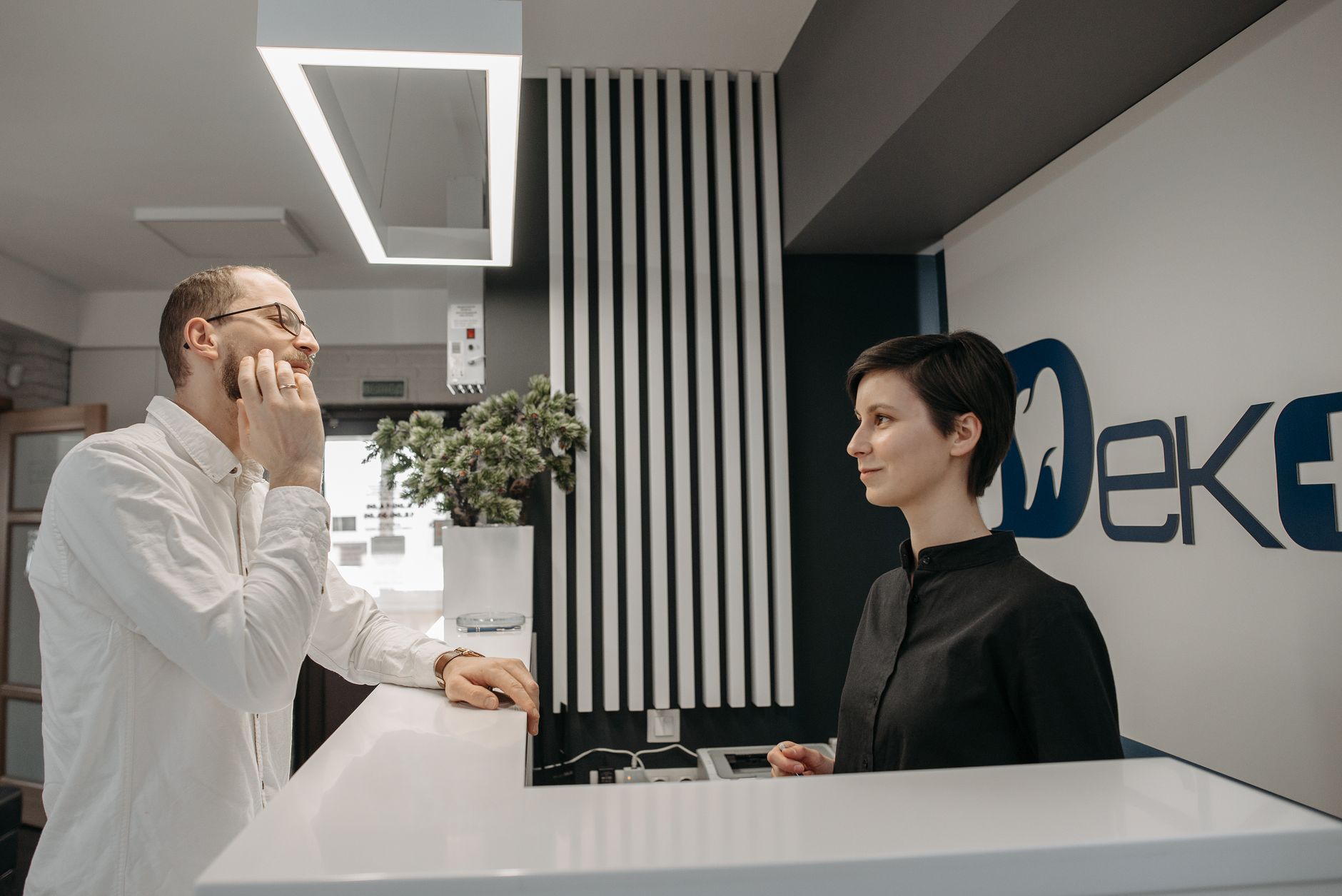
Most UK dental practices handle new patient enquiries across five to ten different channels simultaneously—phone calls, website forms, email, social media messages, WhatsApp, SMS, and walk-ins. This fragmented approach creates invisible cracks where high-value cosmetic and implant leads disappear, directly impacting practice revenue and team productivity.
UK dental practices lose approximately £18,000 annually managing enquiries across scattered channels without unified tracking. Multiple enquiry sources—phone, email, website forms, social media, WhatsApp—create response delays, missed follow-ups, and conversion failure when staff manually switch between systems. Centralised dental enquiry management software eliminates this chaos by consolidating all channels into one dashboard with automated tracking.
Key Takeaways: Managing Multiple Dental Enquiry Channels
- Practices typically manage dental enquiries across five to ten disconnected platforms, causing team confusion and delayed responses that directly reduce conversion rates
- Manual switching between phone systems, email inboxes, social media platforms, and website dashboards wastes approximately ninety minutes daily per practice
- Unified dental enquiry management software consolidates all channels into one interface, reducing response times and preventing lead loss through automated tracking and follow-up
- Centralised systems capture complete patient conversation history regardless of channel, improving treatment coordinator performance and enabling accurate ROI measurement
What Causes Multiple Enquiry Source Chaos in UK Dental Practices?
The fundamental problem stems from how dental practices have gradually adopted new communication channels without integration strategy. A practice launched a website in 2010, added Facebook in 2013, introduced WhatsApp in 2018, and started accepting Instagram messages in 2021. Each platform exists as a separate silo with distinct login credentials, notification systems, and conversation histories. Reception staff spend their mornings checking seven different places for overnight enquiries, inevitably missing time-sensitive implant leads that required immediate attention.
This fragmentation worsens during busy clinical periods. When phone lines overflow with appointment confirmations and emergency calls, digital enquiries from website forms or social media languish unchecked for hours. By the time someone responds, high-value prospects have already contacted competitor practices with faster response systems. The lack of cross-channel visibility means no single staff member understands the complete patient journey—did this Facebook enquiry also call yesterday? Did the website form submission follow up their WhatsApp message from last week?
Practice management systems compound the confusion by handling internal scheduling but ignoring external enquiry capture. Staff manually transfer lead details from various platforms into patient records, introducing transcription errors and losing crucial context about treatment preferences expressed during initial conversations. This disconnected approach makes accurate dental lead qualification nearly impossible when information scatters across multiple systems.
The Hidden Revenue Cost of Scattered Dental Enquiry Management
Most practice owners significantly underestimate the financial impact of managing multiple enquiry channels manually. Beyond obvious lost leads, the hidden costs accumulate through reduced team efficiency, inconsistent response quality, and inability to measure marketing effectiveness. When staff spend ninety minutes daily switching between platforms, that represents approximately twenty-three thousand pounds in wasted salary costs annually for a typical practice—time that could generate revenue through treatment coordination or patient care.
Delayed responses directly damage conversion rates for high-value treatments. Research from the British Dental Association consistently shows that immediate enquiry acknowledgment dramatically increases booking likelihood compared to next-day responses. When implant enquiries from Saturday afternoon sit unread in a Facebook inbox until Monday morning, competitors with weekend response systems capture those patients. Each lost implant case represents four to six thousand pounds in unrealised revenue.
The inability to track enquiry-to-patient conversion across channels prevents accurate marketing ROI calculation. Practice owners cannot determine whether Facebook advertising or Google Ads generates better-quality leads when enquiries from both channels mix together in general email inboxes. This blind spot leads to continued investment in underperforming marketing channels whilst potentially underfunding the most profitable sources. Without centralised tracking, practices lack the data needed for informed growth decisions.
How Do Multiple Channels Create Response Time Failures?
Response time failures begin with notification overload and alert fatigue. Staff receive email notifications, SMS alerts, Facebook notifications, WhatsApp pings, and phone system alerts simultaneously throughout the day. This constant bombardment causes important high-value enquiries to disappear into notification noise—every alert seems equally urgent, so nothing receives priority. Treatment coordinators admit they often miss critical implant enquiries simply because the notification arrived during a busy clinical period and scrolled off their phone screen before they could address it.
Platform-specific response expectations compound the problem. Patients sending WhatsApp messages expect replies within thirty minutes based on social norms for that channel. Website form submissions typically allow a few hours for response. Phone calls demand immediate attention. However, practices treating all channels with identical urgency inevitably fail because staff cannot simultaneously monitor seven platforms whilst managing in-person reception duties. This mismatch between patient expectations and practice capability directly reduces conversion rates.
The absence of unified response protocols creates inconsistency across channels. One receptionist might provide detailed treatment information via email whilst another offers only generic responses through Facebook. Patients receiving rushed, incomplete answers through one channel whilst seeing comprehensive information on practice social media posts naturally question practice professionalism. These inconsistent first impressions particularly damage cosmetic dentistry conversion where patients carefully evaluate practice credibility before committing to expensive treatments.
Why Traditional Dental Software Cannot Solve Multi-Channel Enquiry Management
Most dental practice management systems focus exclusively on appointment scheduling and patient records for individuals already registered with the practice. They lack functionality for capturing and managing pre-registration enquiries from potential new patients across multiple external platforms. This fundamental design limitation means enquiry management remains a manual process regardless of how sophisticated the internal practice software might be for managing existing patients.
The few practice management systems offering enquiry capture typically provide only basic website form integration. They cannot consolidate Facebook messages, Instagram enquiries, WhatsApp conversations, or direct emails into their interface. Staff still manually check multiple platforms and transfer information into the system—the multi-channel problem persists. Additionally, these systems rarely include intelligent response automation or follow-up sequences tailored to different enquiry types and channels.
Integration challenges prevent seamless connection between marketing platforms and practice software. Even when technical integration exists, it often requires extensive custom development work and ongoing maintenance that smaller practices cannot afford. The result is disconnected technology stacks where enquiry management tools, marketing platforms, and practice management systems operate independently, requiring manual data transfer between each layer.
What Are the Operational Inefficiencies of Scattered Lead Sources?
Operational inefficiencies begin with duplicated effort across the practice team. Multiple staff members might unknowingly respond to the same enquiry when it arrives through different channels—a patient sends a website form, then calls, then messages on Facebook within the same afternoon. Without unified tracking, three different team members provide potentially contradictory information, creating confusion and unprofessional impressions that reduce conversion likelihood.
Information loss occurs when patient conversations fragment across platforms without centralised history. A potential patient might express specific concerns about sedation during a phone call, mention budget constraints through email, and ask about payment plans via WhatsApp. When no single record consolidates these details, treatment coordinators cannot effectively address all concerns during consultation booking conversations. This incomplete understanding directly reduces the practice's ability to overcome objections and secure appointments.
Team coordination suffers dramatically with scattered enquiry sources. Reception staff handling phone enquiries lack visibility into digital conversations managed by the marketing coordinator. When a patient calls asking about implant costs after receiving information via Facebook message, the receptionist cannot access that conversation history. They either waste time searching for details or provide inconsistent information, both outcomes damaging patient confidence. The absence of unified systems prevents effective enquiry tracking workflows that enable any team member to seamlessly continue conversations regardless of original channel.
How Does Multi-Channel Chaos Affect Treatment Coordinator Performance?
Treatment coordinators achieve significantly lower conversion rates when managing scattered enquiry sources compared to unified systems. Their effectiveness depends on understanding complete patient context—previous conversations, expressed concerns, treatment preferences, and budget considerations. When this information scatters across seven different platforms, coordinators lack the comprehensive view needed to tailor their approach effectively. They cannot reference specific patient questions from earlier interactions, forcing generic rather than personalised conversion conversations.
The administrative burden of managing multiple platforms directly reduces the time coordinators spend on high-value activities like consultation follow-up and treatment plan discussions. Instead of nurturing warm leads through strategic communication sequences, they waste productive hours manually checking platforms, copying information between systems, and attempting to piece together fragmented patient histories. This time misallocation particularly damages implant and cosmetic dentistry conversion where multiple touchpoints over several weeks typically precede booking.
Performance measurement becomes impossible when enquiry data fragments across disconnected systems. Coordinators cannot accurately report conversion rates, average response times, or enquiry-to-booking ratios when source information exists in separate silos. Practice owners lack objective data to identify training opportunities or recognise exceptional performance. This measurement gap prevents continuous improvement in conversion processes—practices cannot optimise what they cannot measure. The inability to track which channels generate the highest-quality leads also prevents strategic resource allocation to the most profitable enquiry sources.
Can Unified Dental Enquiry Management Systems Prevent Revenue Loss?
Yes, unified dental enquiry management systems directly prevent revenue loss by consolidating all enquiry channels into one centralised dashboard with automated tracking and intelligent response capabilities. These platforms capture website forms, social media messages, emails, SMS, and WhatsApp conversations in a single interface, ensuring no lead disappears through platform fragmentation. Staff receive one unified notification system rather than seven separate alert streams, dramatically improving response times particularly for high-value implant and cosmetic dentistry enquiries.
Centralised systems enable automated acknowledgment across all channels within minutes of enquiry receipt, meeting patient expectations regardless of when they contact the practice. This immediate response particularly benefits after-hours enquiry management when practices cannot provide live responses. Automated sequences can provide treatment information, pricing guidance, and booking links whilst maintaining engagement until staff can deliver personalised follow-up during business hours. This combination of immediate automated response plus timely human interaction maximises conversion rates.
The revenue protection extends beyond preventing lost leads to improving overall conversion efficiency. Unified systems create complete conversation histories regardless of channel switching, enabling any team member to seamlessly continue patient interactions with full context. Treatment coordinators access all previous communications during consultation calls, addressing specific concerns raised through various channels. This comprehensive approach significantly improves conversion rates for complex treatments requiring multiple touchpoints. Additionally, centralised reporting enables accurate ROI measurement across marketing channels, allowing practices to optimise advertising spend toward the highest-converting sources.
What Should UK Practices Look for in Multi-Channel Enquiry Management Solutions?
UK dental practices need enquiry management solutions specifically designed for the regulatory environment and communication preferences of British patients. The system must comply with Information Commissioner's Office requirements for patient data handling, particularly when consolidating conversations from multiple channels into centralised databases. Look for platforms with UK-based data hosting and clear GDPR compliance documentation rather than generic international systems that may not meet UK standards.
Essential features include native integration with the communication channels British patients actually use—website forms, email, WhatsApp, Facebook, and Instagram represent the minimum requirement. The system should automatically capture enquiries from these sources without requiring manual data entry or separate login credentials for each platform. Real-time notification consolidation ensures staff receive one alert regardless of enquiry channel, with priority flagging for high-value treatment enquiries based on keywords like "implants" or "veneers" that indicate significant revenue potential.
Intelligent automation capabilities separate effective solutions from basic consolidation tools. The platform should enable customised automated acknowledgment messages tailored to each channel and enquiry type, immediate qualification questions that gather essential information whilst maintaining patient engagement, and scheduled follow-up sequences that nurture leads through the consideration phase. Integration with existing practice management systems for seamless patient record creation once conversion occurs prevents duplicate data entry. Finally, comprehensive analytics showing channel-specific conversion rates, response time performance, and enquiry volume trends enable continuous process improvement and informed marketing decisions.
Frequently Asked Questions
How many enquiry channels do most UK dental practices manage simultaneously?
Most UK dental practices actively manage between five and ten separate enquiry channels including traditional phone lines, website contact forms, general practice email addresses, Facebook Messenger, Instagram direct messages, WhatsApp Business accounts, SMS text messaging, and occasional walk-in enquiries. Larger practices with comprehensive marketing strategies may handle even more channels including TikTok, LinkedIn, and specialty treatment-specific landing pages. This proliferation occurs gradually as practices adopt new platforms without retiring older channels or implementing integration strategies. The result is significant operational complexity that directly impacts response quality and conversion rates.
What is the average response time for dental enquiries across multiple unmanaged channels?
Unmanaged multi-channel enquiry systems typically show average response times between four and twelve hours for digital enquiries, significantly longer than the thirty-minute to two-hour window that maximises conversion rates for high-value treatments. Response times vary dramatically by channel—phone calls receive immediate attention during business hours whilst social media messages and website forms may wait until the next working day. Weekend and after-hours enquiries often experience twenty-four to forty-eight hour delays. These extended response times directly correlate with reduced booking conversion as prospects contact faster-responding competitor practices during the delay period.
Do patients expect different response times based on the enquiry channel they use?
Yes, patient expectations vary significantly across communication channels based on social norms and platform-specific usage patterns. WhatsApp and Facebook Messenger enquiries typically carry expectations of response within thirty minutes to two hours, reflecting the instant-messaging nature of these platforms. Email enquiries allow slightly longer response windows of four to eight hours during business days. Website form submissions generally permit same-day response, whilst phone calls obviously demand immediate attention. These varying expectations create significant challenges for practices managing all channels with uniform response protocols. Meeting channel-specific expectations requires either comprehensive staffing or intelligent automation that delivers appropriate acknowledgment speeds across all platforms.
Can practices effectively manage multiple enquiry channels with increased staffing rather than technology solutions?
Additional staffing alone cannot fully solve multi-channel enquiry management challenges without supporting technology infrastructure. Whilst more team members can improve coverage across platforms, they still face fundamental problems of fragmented information, inconsistent response quality, and inability to track complete patient journeys across channels. Multiple staff members managing separate channels without unified systems often duplicate efforts, provide contradictory information, or miss important context from previous interactions through different platforms. The cost of sufficient staffing to manually monitor seven to ten channels continuously typically exceeds investment in centralised technology solutions. Most practices achieve better outcomes combining appropriate staffing levels with unified enquiry management platforms that eliminate manual platform-switching and enable any team member to access complete conversation histories regardless of original enquiry channel.
Transform Multi-Channel Chaos into Streamlined Revenue Growth
The eighteen-thousand-pound annual revenue loss from scattered enquiry management represents entirely preventable waste that undermines practice growth potential. UK dental practices cannot afford to continue operating with fragmented communication systems that alienate high-value prospects through slow, inconsistent responses. The solution lies not in working harder across multiple platforms but in implementing intelligent centralisation that consolidates all enquiry channels into unified workflows with automated response capabilities and comprehensive tracking.
CareDental specifically addresses the multi-channel enquiry chaos facing UK dental practices. Our WhatsApp-powered platform consolidates enquiries from all sources into one intelligent dashboard whilst delivering the immediate automated responses that British patients expect. Practice teams gain complete visibility into every patient conversation regardless of original channel, enabling seamless handoffs and personalised follow-up that dramatically improves conversion rates for implant and cosmetic dentistry treatments. Stop losing revenue to preventable enquiry management chaos. Book your free CareDental demo and discover how unified enquiry management transforms scattered leads into consistent practice growth.