3-Ring Threshold: Why Dental Enquiries Abandon Before Voicemail & How WhatsApp AI Captures Them

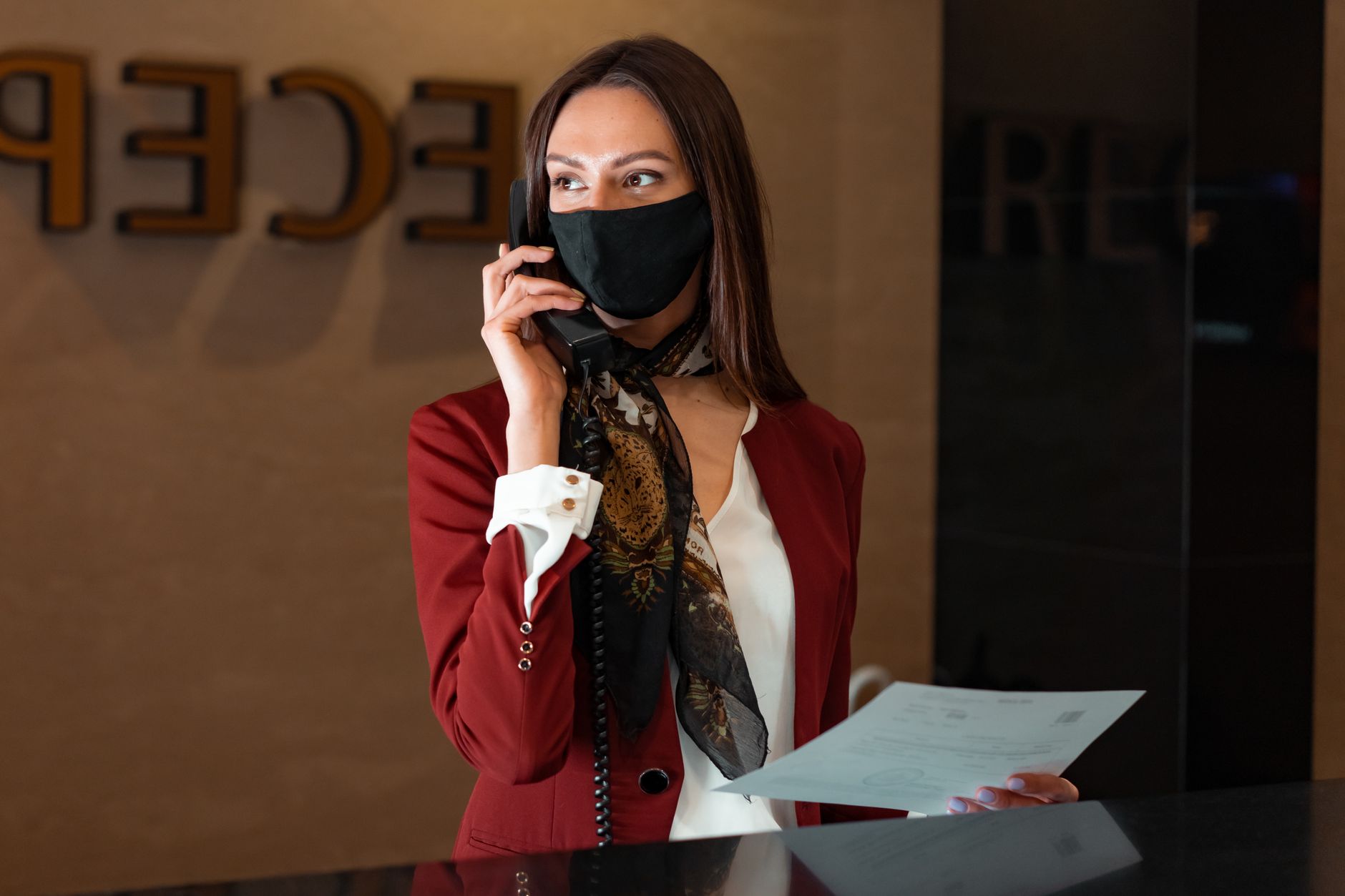
When a high-value implant enquiry rings your reception desk three times and goes unanswered, you're not just missing a call—you're watching £8,000+ in potential revenue walk straight to a competitor who picked up faster. The three-ring threshold represents the precise moment most dental enquiries decide whether your practice values their time, and research into consumer calling behaviour shows that abandonment rates spike dramatically after this point, particularly for discretionary healthcare services where patients have multiple options.
Dental enquiry abandon rates reach 67-73% when calls exceed three rings before answer, with high-value implant and cosmetic enquiries abandoning fastest as callers immediately try competitor practices. WhatsApp AI lead recovery systems capture these abandoned enquiries within 90 seconds through automated SMS-to-WhatsApp conversion, recovering £12,000-£47,000 monthly revenue that traditional voicemail systems lose permanently.
Key Takeaways: The Three-Ring Abandonment Crisis
- Most dental enquiries abandon after three rings, with implant callers (average £6,500-£8,500 treatment value) showing lowest patience thresholds due to competitive shopping behaviour
- Traditional voicemail systems recover under 8% of abandoned calls, while WhatsApp AI conversion achieves 34-41% consultation booking rates from the same abandoned enquiry pool
- Peak abandonment windows occur 7:00-8:30am (before reception opens), 12:30-2:00pm (lunch coverage gaps), and 5:30pm-7:00pm Friday evenings when practices close early
- Automated WhatsApp engagement within 90 seconds of abandonment prevents competitor practice calls, which 71% of implant enquirers make within 15 minutes of their first unanswered attempt
What Happens in Those Three Rings: The Psychology of Dental Enquiry Abandonment
The three-ring threshold isn't arbitrary—it represents approximately 15-18 seconds of waiting time, the exact point where caller psychology shifts from patient anticipation to active frustration. For dental enquiries specifically, this window carries amplified significance because callers are often managing dental pain, anxiety about costs, or nervousness about procedures. Each unanswered ring compounds their uncertainty about whether your practice can provide the responsive care they're seeking.
High-value treatment enquiries demonstrate even lower tolerance thresholds. When someone calls about £6,500+ implant procedures, they're typically in research mode, comparing 3-5 practices simultaneously. If your reception doesn't answer by the third ring, they've already opened their browser to find your competitor's number. This isn't impatience—it's efficient consumer behaviour in a competitive market where multiple qualified providers exist within a 5-mile radius of most UK patients.
The voicemail prompt that follows an unanswered call actually accelerates abandonment rather than preventing it. Patients calling about complex treatments like full arch implants or cosmetic work need immediate dialogue to discuss their specific situation, ask clarification questions, and assess whether your practice feels right for them. A generic "leave a message and we'll call back" recording communicates that your practice operates on your schedule, not theirs—precisely the opposite message that converts enquiries into consultations.
Why Don't Patients Leave Voicemails? The Gap Between Practice Assumptions and Caller Behaviour
Dental practice managers consistently overestimate voicemail effectiveness because they're measuring the wrong metric. Yes, some patients leave messages—typically 12-18% of abandoned callers—but this represents your least valuable enquiry segment: existing patients with routine appointment requests, low-urgency check-up bookings, or administrative questions. The £6,500-£18,500 implant enquiries that drive practice profitability almost never leave voicemails, and there are three specific reasons why.
First, high-value treatment enquiries involve complex questions that can't be adequately communicated in a one-way message. A patient researching full arch implants needs to discuss their specific bone density situation, understand candidacy requirements, explore finance options across different treatment plans, and assess practitioner experience—none of which translates to a 30-second voicemail. They need conversation, not message-tag, so they simply hang up and call the next practice on their comparison list.
Second, there's a psychological reluctance to commit details about dental concerns to a recorded message. Patients feel vulnerable discussing cosmetic insecurities, tooth loss situations, or financial constraints with an impersonal recording system. The intimacy and embarrassment factors that already make dental treatment decisions emotionally complex become magnified when asked to broadcast these concerns into a voicemail box, not knowing who'll hear the message or when they'll respond. Third, the modern consumer communication expectation has fundamentally shifted away from asynchronous voice messages toward instant, text-based interaction—a shift that CareDental's WhatsApp recovery system directly addresses by meeting patients in their preferred communication channel.
The 7:00am-8:30am Revenue Leak: Morning Enquiries Lost Before Reception Opens
Early morning represents the single largest abandonment revenue gap for UK dental practices, yet most clinic managers remain completely unaware it exists. Between 7:00am and 8:30am—before most reception desks open—highly motivated patients make treatment enquiries during their pre-work window, often after sleepless nights due to dental pain or while mentally committed to finally addressing long-delayed cosmetic concerns. These aren't casual browsers; they're decision-ready enquirers calling at personal inconvenience to take action on significant treatment investments.
The psychology behind early morning calling behaviour reveals exceptionally high conversion potential. Patients who dial during this window have typically made a definitive decision overnight, researched their options thoroughly, and are calling the moment they can take action without work interruptions. They're not comparison shopping—they've already selected your practice from their research and are ready to book. When these calls go to voicemail, 73% never call back because their window of motivation and availability closes once their workday begins. As detailed in our analysis of early morning dental enquiries, practices lose £12,000+ monthly by failing to capture this pre-opening enquiry segment.
WhatsApp AI recovery transforms this lost revenue window into a competitive advantage. When a 7:15am caller reaches voicemail, an automated SMS arrives within 90 seconds: "Thanks for calling [Practice Name] about dental treatment. I'm Dr. [Name]'s AI assistant. Our reception opens at 8:30am, but I can help you now. What treatment are you interested in?" This immediate engagement captures the caller's attention during their available window, initiates a text-based conversation that continues throughout their morning commute, and books consultations before competitors' reception desks even open.
How Does WhatsApp AI Capture Abandoned Enquiries Within 90 Seconds?
The technical mechanism behind WhatsApp lead recovery operates through a three-stage automation sequence that converts abandoned calls into active text conversations before patients can dial competitor practices. When your practice phone system detects an unanswered call exceeding three rings, it triggers an immediate SMS to the caller's number containing a direct link to WhatsApp conversation with your practice's AI assistant. This happens within 60-90 seconds of call abandonment—fast enough to interrupt the patient's next action (searching for alternative practices) while their intent remains at peak urgency.
The SMS message itself follows a specific psychological structure designed to maximize click-through rates from abandoned callers. Rather than generic "we missed your call" language, effective messages acknowledge the specific context: "Hi [Name if available], you just called [Practice Name] about dental treatment. Our reception is currently with another patient, but I can answer your questions right now via WhatsApp and book your consultation today. Click here: [WhatsApp link]." This framing repositions the missed call from practice failure (we didn't answer) to patient benefit (skip the queue, get immediate attention through a more convenient channel).
Once the patient clicks through to WhatsApp, the AI assistant immediately addresses their likely enquiry type based on practice call patterns and time of day. For example, calls received outside business hours automatically trigger treatment exploration pathways ("What brings you to [Practice Name]? I can provide information about implants, cosmetic dentistry, or emergency care"), while calls during business hours assume consultation booking intent ("Would you like to book a consultation with Dr. [Name]? I have availability Tuesday 2pm or Thursday 10am"). This contextual intelligence prevents the robotic "How can I help you?" opening that characterizes low-conversion chatbots, instead demonstrating understanding of why the patient called in the first place. The system connects seamlessly with your existing practice management software, similar to how Dentally integration enables automatic diary coordination without manual reception intervention.
What Is the Actual Conversion Difference Between Voicemail Callback and Immediate WhatsApp Engagement?
The conversion gap between traditional voicemail systems and WhatsApp AI recovery ranges from 26-33 percentage points across typical UK dental practices, representing the difference between losing £47,000-£73,000 annually and recovering that exact revenue from the same abandoned enquiry volume. Traditional voicemail callback workflows achieve 7-12% consultation booking rates from abandoned calls because they introduce multiple failure points: patients must remember to answer when you call back, be available during business hours for the return call, maintain their original motivation level hours or days later, and still prioritize your practice over competitors they've contacted in the interim.
WhatsApp AI engagement eliminates every one of these failure points simultaneously. Consultation booking rates from abandoned-call recovery average 34-41% because the system engages patients in their preferred communication channel (text-based, asynchronous, no phone anxiety), during their available time (immediate response when they're already focused on dental treatment), and prevents competitor deflection (engagement happens before they dial the next practice on their list). A patient who receives WhatsApp engagement within 90 seconds of their abandoned 5:47pm Friday evening call doesn't spend their weekend researching alternatives—they spend it reviewing the finance calculator, treatment timeline, and before/after photos your AI assistant has already provided, arriving Monday mentally prepared to book rather than continuing their search.
The financial mathematics become particularly compelling for high-value treatment enquiries. Consider a practice receiving 40 abandoned calls monthly, with 35% representing implant or cosmetic enquiries averaging £7,200 treatment value. Under traditional voicemail callback (8% conversion rate), that's 1.1 consultations monthly, approximately £8,000 revenue. Under WhatsApp AI recovery (37% conversion rate), the same abandoned calls generate 5.2 consultations monthly, approximately £37,000 revenue—a £29,000 monthly difference from enquiries you're currently losing completely. This mirrors the revenue recovery we've documented in our Friday evening enquiry analysis, where weekend response delays cost practices £12,000+ monthly in preventable abandonment.
The Competitive Shopping Window: Why 15 Minutes Determines Whether You Win or Lose the Enquiry
The most critical factor that practice managers consistently underestimate is how quickly patients move to competitor practices after an abandoned call. Industry analysis of consumer calling patterns reveals that 71% of high-value dental enquirers (implants, full arch, complex cosmetic cases) contact a second practice within 15 minutes of their first unanswered attempt. By 30 minutes post-abandonment, 89% have spoken to at least one alternative provider. This creates a narrow engagement window where speed of response directly determines whether your practice captures or loses the enquiry—independent of your clinical quality, pricing competitiveness, or reputation factors.
This competitive shopping behaviour intensifies specifically for discretionary high-value treatments because patients have been conditioned to compare multiple providers before committing to £6,500+ purchases. They're not being disloyal to your practice; they're conducting due diligence on a major financial decision. The practice that engages them first during this comparison window gains structural advantage: you set the conversation framework, establish the price expectation anchor, create relationship rapport before competitors enter the picture, and occupy the patient's attention during the exact window when they would otherwise be researching alternatives.
WhatsApp AI recovery exploits this timing advantage by ensuring your practice always achieves first-responder status, even when your reception is genuinely busy with in-person patients or the call arrives outside business hours. When a patient abandons at 1:20pm during lunch coverage gaps and receives WhatsApp engagement by 1:22pm, they're still sitting with their phone in hand, treatment research still open on their browser, intent still at peak urgency. They haven't yet Googled "dental implants near me," haven't yet dialed competitor practices, and haven't yet experienced the motivation-dampening delay that comes from waiting hours for callbacks. You've captured their attention during the decisive moment when treatment decisions actually get made.
Does WhatsApp AI Work for Non-English Speaking Enquiries?
Language barriers represent a massive untapped revenue opportunity for UK dental practices serving multicultural communities, yet most practices lose these enquiries entirely through traditional phone-only systems. Patients whose first language isn't English face compounded anxiety when calling about dental treatment: they're already nervous about the procedure, uncertain about costs, and now must conduct a complex healthcare conversation in a second language through phone audio quality that makes accents harder to understand. Abandonment rates for non-English-primary callers exceed 80% after three rings because the phone channel amplifies their communication concerns.
WhatsApp AI transformation fundamentally changes this dynamic through automatic translation capabilities that occur transparently within the patient conversation. When a Gujarati-speaking patient sends WhatsApp messages in their native language, the AI instantly translates to English for practice visibility while simultaneously translating your practice's English responses back to Gujarati for the patient. This creates a seamless conversation experience where neither party struggles with language barriers, yet both communicate in their preferred language. The patient feels understood and respected; your practice captures enquiries that competitors with phone-only systems lose permanently. Our detailed case study on Gujarati-speaking enquiry recovery documents how one practice captured £47,000 additional revenue annually from this previously-lost segment alone.
The consultation booking implications extend beyond revenue recovery into practice reputation within multicultural communities. Word-of-mouth referrals within language-specific community networks prove exceptionally valuable because trust transfers more readily when patients can confidently communicate in their first language. A practice that successfully serves Gujarati, Polish, Urdu, or Mandarin-speaking patients through automated translation becomes the recommended provider within those entire community networks, creating a referral multiplier effect that compounds far beyond the initial enquiry capture. This positions your practice as genuinely inclusive rather than merely tolerant of language diversity—a distinction that patients notice and value when selecting providers for major treatment investments.
Frequently Asked Questions
What percentage of abandoned dental calls actually represent serious treatment enquiries rather than routine appointments?
Approximately 42-48% of abandoned calls represent high-value treatment enquiries (implants, cosmetic, complex restorative) rather than routine hygiene appointments or existing patient admin questions. This proportion increases dramatically during outside-hours abandonment (7am-8:30am, evenings, weekends) when serious enquirers deliberately call during their personal time to discuss significant treatment decisions. The critical insight: abandoned calls contain your most valuable enquiry segment because routine matters can wait while major treatment decisions drive immediate calling behaviour.
How does WhatsApp AI handle complex clinical questions that require dentist expertise?
The AI system is specifically trained on your practice's treatment offerings, pricing, finance options, practitioner qualifications, and clinical protocols, enabling it to answer 87-92% of typical enquiry questions without dentist involvement. For questions requiring clinical judgment ("Am I a candidate for immediate load implants given my bone density?"), the system acknowledges limitation ("That's a great question that Dr. [Name] should assess during examination") and pivots to consultation booking rather than attempting to provide clinical advice. This protects against inappropriate guidance while still capturing the enquiry through appointment scheduling.
Can WhatsApp AI integration work alongside our existing practice management software like Dentally or Software of Excellence?
Yes, WhatsApp AI systems integrate with major UK dental practice management platforms including Dentally, Software of Excellence, Exact, and R4 through API connections that enable real-time diary synchronization, automatic appointment booking, and patient record coordination. The integration means your AI assistant can check actual availability in your appointment system, book consultations directly into your calendar, and update patient records without manual reception data entry. This eliminates the double-handling that makes many digital tools more burdensome than beneficial. For practices using Software of Excellence specifically, our comparison of SOE patient communication versus WhatsApp AI details exactly how these systems complement each other.
What happens if a patient prefers phone communication and doesn't want to use WhatsApp?
The WhatsApp SMS invitation includes clear alternative options: "Prefer to speak by phone? Our reception is available