How 60-Second WhatsApp Response Time Converts 3x More Dental Implant Enquiries Than Email
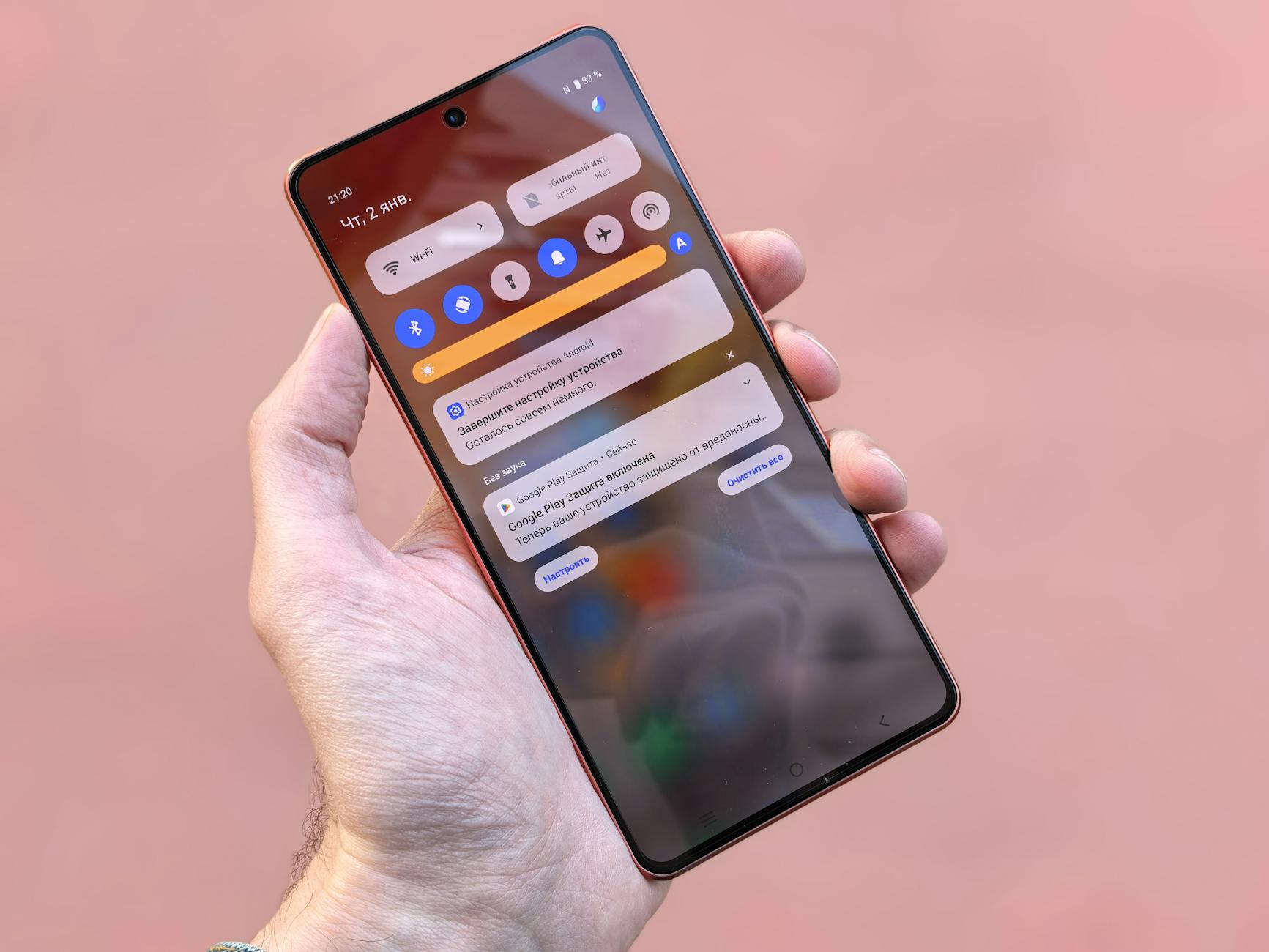
When a potential patient messages your practice about dental implants, the first sixty seconds determine whether you'll convert them or lose them to a competitor. While most UK dental practices rely on email or callback requests that take hours to address, the enquiries arriving via WhatsApp demand—and reward—immediate engagement. The difference in conversion rates isn't marginal; it's transformative.
WhatsApp response time for dental enquiries directly impacts conversion rates. Practices responding within 60 seconds to implant enquiries via WhatsApp convert approximately three times more leads than those using email, which typically takes 2-4 hours for an initial response. Speed creates trust and prevents prospects from seeking alternative providers during the critical decision window.
Key Takeaways
- Immediate WhatsApp responses (under 60 seconds) convert significantly more dental implant enquiries than delayed email responses, capitalising on high-intent decision moments
- Patient expectations have shifted toward instant messaging platforms, with email perceived as slow and impersonal for urgent dental decisions
- Automated AI systems can maintain sub-60-second response times 24/7, qualifying leads and booking consultations whilst your reception team handles in-clinic priorities
- The revenue difference between instant WhatsApp engagement and traditional email follow-up can exceed £40,000 annually for practices receiving just 3-4 implant enquiries weekly
Why Do Dental Implant Enquiries Require Immediate Response Times?
Dental implant enquiries represent immediate response opportunities because they signal high-intent, high-value prospects actively comparing providers. These patients have typically spent weeks researching treatment options, costs, and providers before making contact. When they finally reach out, they're mentally prepared to book—but only if you engage them before doubt sets in or a competitor responds first.
The psychology behind immediate response effectiveness centres on maintaining momentum. A patient messaging about implants at 7pm on Tuesday evening is experiencing peak motivation. They've overcome the hesitation barrier, acknowledged their need, and committed to action. Every minute without engagement introduces opportunity for reconsideration, price anxiety, or simply finding another practice that replies faster. The British Dental Association recognises patient communication preferences have fundamentally shifted toward instant messaging platforms, yet many practices haven't adapted their response protocols.
Unlike routine check-up enquiries, implant cases represent £2,000-£4,500 in potential revenue per patient. The stakes justify prioritising these conversations above almost any other administrative task. When your WhatsApp response time exceeds five minutes, you're effectively telling high-value prospects that their urgent concern isn't urgent to you—a message that drives them straight to practices that demonstrate availability and attentiveness through instant replies.
What Makes Email Fundamentally Slower for Dental Enquiry Conversion?
Email fails at dental enquiry conversion primarily because it operates on asynchronous communication principles whilst patients expect synchronous dialogue. When a prospect emails your practice, they understand they're submitting a formal request rather than starting a conversation. This psychological framing creates patience for delayed responses—but it also reduces urgency and emotional commitment. By the time you reply four hours later, their decision temperature has cooled considerably.
The structural limitations of email compound this timing problem. Most practices check their general enquiry inbox periodically rather than continuously, creating inherent response delays of two to six hours during business hours and 12-24 hours for messages received evenings or weekends. Even practices with dedicated administrative staff rarely achieve sub-30-minute email response times consistently. Each hour of delay statistically correlates with decreased conversion probability, particularly for discretionary treatments like implants where patients can easily postpone decisions.
Email also lacks the conversational flow essential for qualification and objection handling. A single email exchange addresses one question or concern, then requires another full response cycle to address the next. Converting an implant enquiry typically requires addressing 3-5 concerns: cost, pain management, treatment duration, success rates, and finance options. Via email, this becomes a multi-day exchange. Via WhatsApp with immediate responses, you resolve all concerns within a 15-minute conversation, booking the consultation whilst emotional commitment remains high. Our analysis at CareDental shows this conversational velocity directly impacts whether prospects proceed to booking or continue shopping around.
How Does 60-Second WhatsApp Response Time Transform Conversion Rates?
Responding to WhatsApp dental enquiries within 60 seconds transforms conversion rates through three mechanisms: maintaining psychological momentum, demonstrating operational competence, and enabling real-time objection resolution. The first minute establishes whether your practice operates at the responsiveness level modern patients expect or whether you're using outdated communication protocols that signal disorganisation or indifference.
The momentum factor proves particularly crucial for implant enquiries. When someone messages "How much are dental implants?" they're experiencing a decision window—a specific moment when action feels possible and necessary. This window remains open for roughly 5-10 minutes after they send their message. Respond within 60 seconds and you're inside that window, engaging them whilst motivation peaks. Respond in 30 minutes and the window has closed; they've returned to watching television, gone to bed, or started conversations with two other practices. The difference isn't merely response speed—it's whether you engage them during or after their decision moment.
Sub-60-second responses also create powerful competence signals. Patients unconsciously assess whether your practice can manage complex clinical care by observing how you handle simple administrative interactions. Instant WhatsApp responses suggest efficiency, attentiveness, and modern operational standards. This competence perception becomes especially important for implant cases where patients worry about surgical precision and long-term outcomes. If you can't manage a basic enquiry promptly, how will you manage their six-month implant treatment journey? This question rarely surfaces consciously, but it influences decision-making profoundly. Practices using systems like CareDental's AI WhatsApp management demonstrate this operational excellence automatically, converting enquiries whilst competitors remain unaware messages have even arrived.
What Happens During the Critical First 60 Seconds of an Implant Enquiry?
The first 60 seconds following an implant enquiry determine whether you'll control the conversation or lose it entirely. Within this timeframe, three critical processes occur simultaneously: the patient forms initial judgments about your practice's responsiveness, they continue researching alternative providers, and their emotional commitment to booking begins either strengthening or weakening based on engagement quality.
Reception staff physically cannot maintain consistent 60-second response times while managing phones, welcoming patients, and processing payments. Even excellent front-desk teams experience 10-20 minute delays during busy periods, and implant enquiries often arrive outside business hours when no staff monitors incoming messages. This creates a structural conversion gap that manual processes cannot solve. The Care Quality Commission emphasises patient communication as a core quality indicator, yet traditional staffing models make instant response practically impossible without significant cost increases.
During that crucial first minute, automated AI systems can send an immediate acknowledgment, ask qualifying questions, and begin addressing common concerns—all whilst maintaining a natural conversational tone. This keeps the patient engaged and gathering information from your practice rather than moving to competitor websites. The initial response doesn't need to answer every question; it needs to demonstrate availability and begin building rapport. A simple "Hi Sarah, thanks for your implant enquiry. I can help with pricing and availability. Are you looking to replace a single tooth or multiple teeth?" achieves more conversion impact than a comprehensive email sent three hours later.
Why Traditional Phone Callbacks Cannot Match WhatsApp Response Speed
Phone callbacks introduce multiple friction points that WhatsApp eliminates entirely. When a practice promises to "call you back shortly" in response to an implant enquiry, they're asking patients to remain available for an unexpected phone conversation during their working day, school run, or evening routine. Most prospects requesting callbacks experience 2-6 hour delays before receiving that call, and 30-40% miss the call entirely because they're in meetings, driving, or simply don't answer unknown numbers.
Each missed callback creates another response cycle delay. The practice leaves a voicemail, the patient returns the call later, reaches a busy reception, and the cycle continues. Meanwhile, the emotional momentum that prompted the original enquiry has dissipated completely. WhatsApp messaging eliminates this asynchronous problem; patients can engage in conversation whilst doing other activities, responding to questions as their schedule permits without needing to dedicate focused attention to a phone call. This convenience factor significantly increases engagement rates.
The privacy advantages of WhatsApp also drive higher response rates for sensitive enquiries like implants. Many patients feel uncomfortable discussing dental aesthetics, costs, or personal dental anxiety via phone whilst colleagues or family members can overhear. Text-based WhatsApp conversations offer discretion that phone calls cannot provide. They can enquire about "full mouth implants" from their office desk or discuss finance options whilst commuting without broadcasting their dental insecurities to everyone nearby. This psychological safety increases both enquiry volume and engagement quality, as detailed in our analysis of multilingual patient communication patterns.
How Does Delayed Response Time Affect Patient Perception of Clinical Quality?
Patients instinctively correlate administrative responsiveness with clinical competence, even when these domains operate independently. A practice that takes four hours to respond to a simple WhatsApp enquiry signals disorganisation, indifference, or understaffing—all characteristics patients unconsciously project onto clinical care quality. If basic communication receives low priority, what priority does my dental health receive? This association may lack logical foundation, but it powerfully influences practice selection, especially for high-stakes treatments like implants.
The perception problem intensifies for practices competing against corporate dental chains, which increasingly deploy automated systems ensuring sub-60-second response times consistently. Independent practices often provide superior clinical care and patient relationships, but they lose implant cases before demonstrating those advantages because prospects never make it past the enquiry stage. Speed becomes the selection criterion because patients haven't experienced anything else yet. They judge you entirely on communication responsiveness during those critical first minutes.
This perception challenge particularly affects older practice principals who remember when week-long response times were normal. Modern patient expectations have fundamentally shifted. Research from UK government digital services studies shows consumers now expect business responses within 5-15 minutes across all digital channels, with messaging platforms generating even higher speed expectations than email. Your perception of "reasonable response time" likely differs dramatically from your prospects' expectations. That gap costs you conversions daily, particularly for younger patients aged 25-45 who represent the majority of implant enquiry volume and have grown up expecting instant digital communication.
What ROI Does Instant WhatsApp Response Generate for Implant Enquiries?
The revenue mathematics of instant WhatsApp response versus email follow-up demonstrate compelling ROI for practices receiving just 3-4 implant enquiries weekly. Assume conservative figures: £2,500 average implant revenue per case, 15% conversion rate via email with 3-hour response times, and 45% conversion rate via WhatsApp with 60-second response times. A practice receiving four implant enquiries weekly converts approximately 31 cases annually via email (£77,500 revenue) versus 94 cases via instant WhatsApp (£235,000 revenue)—a difference of £157,500 in implant revenue alone.
These conversion rate differentials reflect real-world patterns observed across UK practices implementing AI-powered WhatsApp systems. The improvement comes not merely from speed but from maintaining conversational engagement through the entire qualification and booking process. Email exchanges peter out after 2-3 messages as patients lose interest or feel they've gathered sufficient information to "think about it." WhatsApp conversations guided by intelligent questioning and objection handling keep prospects engaged through to consultation booking, often within the same 15-20 minute conversation window.
The cost side of this ROI equation proves equally compelling. Hiring additional reception staff to monitor WhatsApp and maintain sub-60-second response times would require £22,000-£28,000 in annual salary costs per full-time equivalent employee, and you'd still face coverage gaps during lunch breaks, holidays, and sick days. Automated AI systems typically cost £200-£400 monthly whilst providing 24/7 coverage with consistent response times regardless of workload. The financial case becomes overwhelming: spend £3,000-£5,000 annually to generate £100,000+ in additional implant revenue. Similar economics apply to other high-value treatments like Invisalign and cosmetic dentistry. Understanding these dynamics helps explain why practices implementing instant response systems report such dramatic revenue increases, as explored in our comparison of AI WhatsApp management versus traditional chatbot approaches.
How Can Practices Maintain 60-Second Response Times Without Overwhelming Staff?
Achieving consistent 60-second WhatsApp response times without overwhelming reception teams requires automating the initial engagement whilst routing qualified, high-intent enquiries to staff for conversion completion. This hybrid approach leverages AI for speed and availability whilst preserving human touchpoints for relationship-building and complex question resolution. The system operates continuously, responding instantly to every enquiry regardless of when it arrives or what else your team is managing.
Effective implementation begins with intelligent qualification sequences. When an implant enquiry arrives, the AI immediately acknowledges receipt, asks 2-3 qualifying questions (single or multiple implants, timeframe for treatment, previous implant consultations), addresses common concerns about pain and cost ranges, and offers consultation booking options. This entire sequence completes within 3-5 minutes while maintaining natural conversational flow. For straightforward enquiries, the system handles everything from initial contact through booking confirmation without staff involvement. For complex cases requiring specific clinical input, it gathers essential information and flags the conversation for staff follow-up, ensuring they engage informed and prepared.
The staff bandwidth argument against WhatsApp communication typically assumes manual message handling, where each enquiry demands immediate staff attention. Modern AI systems eliminate this assumption. Your reception team receives only the qualified, booking-ready conversations that benefit from human engagement, whilst the system handles routine questions, appointment confirmations, and low-intent enquiries independently. This actually reduces staff workload compared to traditional phone and email management whilst dramatically improving conversion outcomes. Many practices implementing these systems report reception staff feel less stressed because they're no longer constantly interrupted by basic enquiries they can now review and respond to during natural workflow gaps. The technology handles the urgency; staff manage the relationships. This operational model proves particularly valuable when managing reception coverage during staff absences or peak demand periods.
What Objections Do Instant WhatsApp Responses Overcome That Email Cannot?
Instant WhatsApp responses overcome the "I need to think about it" objection that derails most implant enquiries. This objection rarely reflects genuine need for reflection; it signals incomplete information, unaddressed concerns, or insufficient emotional commitment to proceed. Email's asynchronous nature reinforces thinking mode—patients receive your response, read it passively, and return to their concerns without opportunity for immediate clarification. WhatsApp's conversational format transforms thinking into dialogue, addressing each concern as it surfaces until no thinking remains necessary.
Price objections specifically benefit from instant WhatsApp handling. When a prospect asks "How much are implants?" via email, you face an impossible response dilemma: provide a price range and risk sticker shock without context, or avoid specific numbers and risk appearing evasive. Neither approach converts well. WhatsApp enables a questioning sequence that contextualises cost: "Are you looking to replace one tooth or multiple? Have you had a recent X-ray we could review? Are you interested in our 0% finance options for implant treatments?" These questions educate prospects about implant complexity whilst demonstrating value before introducing specific costs. The conversation flow makes price feel like one component of a comprehensive solution rather than the sole decision criterion.
Trust objections also resolve more effectively through instant messaging. Patients researching implants encounter alarming stories about complications, pain, and failures. Email responses addressing these fears feel defensive and sales-focused. WhatsApp conversations can acknowledge concerns, share success rates, offer to connect them with previous patients for testimonials, and invite them to a no-obligation consultation—all within a supportive dialogue that builds confidence progressively. The immediacy proves crucial; fears addressed within minutes carry more reassurance weight than identical information provided hours later via email. Our research into review-seeking behaviour among implant enquiries demonstrates how instant engagement prevents prospects from disappearing into competitive research spirals.
Frequently Asked Questions
How do I ensure WhatsApp responses remain professional whilst maintaining speed?
Professional WhatsApp communication maintains appropriate clinical distance whilst adopting conversational tone. Use complete sentences, avoid excessive emojis, address clinical questions accurately, and ensure GDPR compliance for any patient data shared. AI systems can be programmed with your practice's specific tone guidelines, ensuring consistency regardless of message volume. Speed and professionalism aren't mutually exclusive—prompt responses actually enhance professional perception by demonstrating organisational competence.
What if patients ask clinical questions I cannot answer via WhatsApp?
Establishing clear boundaries for WhatsApp communication prevents misuse whilst maintaining engagement. Automated systems can recogn