Dental Practice Software vs Specialist Lead Recovery Tools: What UK Clinics Actually Need
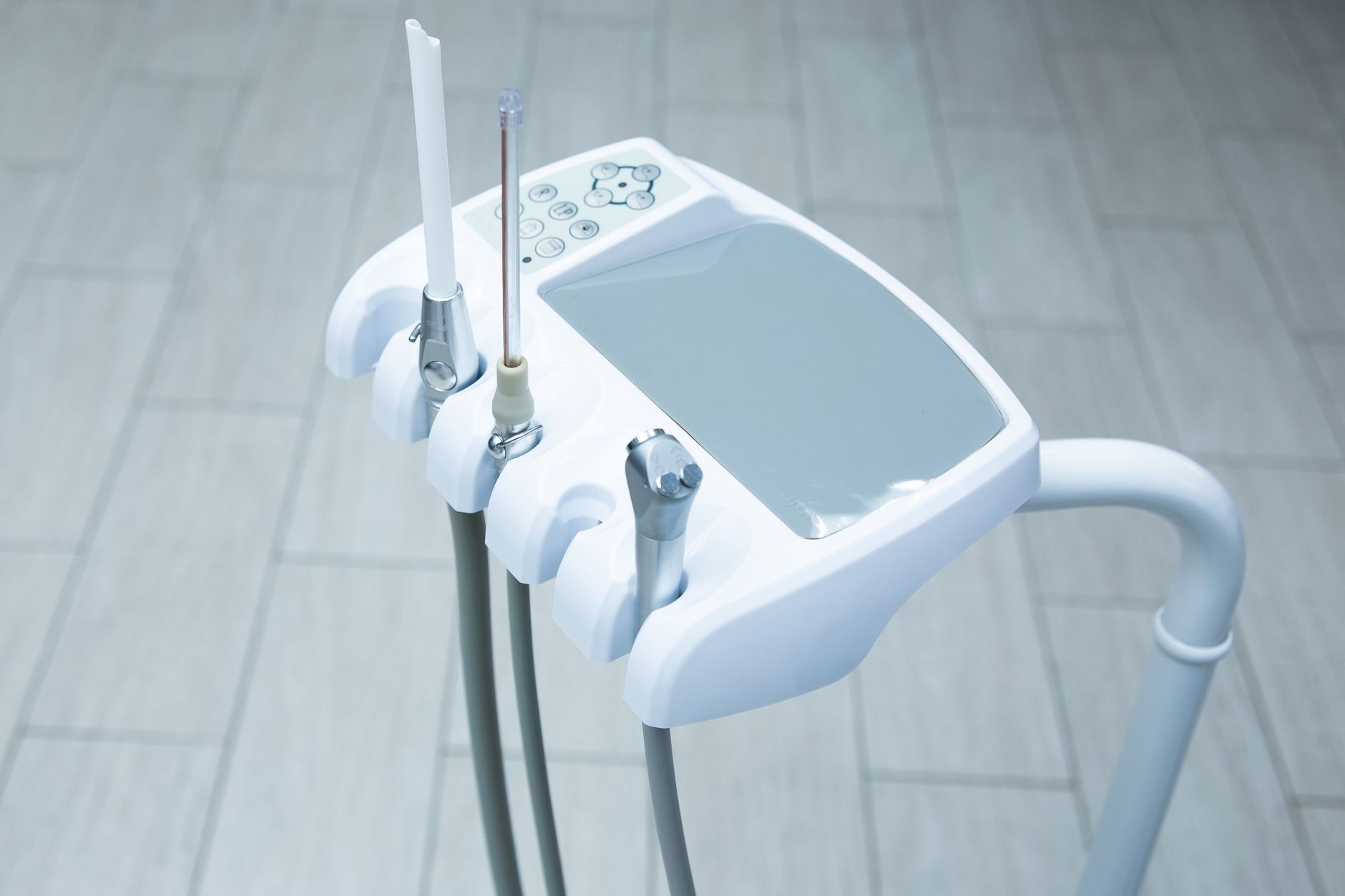
Your dental practice runs on software — likely a comprehensive practice management system (PMS) that handles appointments, records, billing, and compliance. But as UK dental practices increasingly invest in private treatments and cosmetic dentistry, a crucial gap emerges: these systems weren't designed to capture, nurture, and convert the leads that drive growth. Understanding the difference between traditional dental practice software and specialist lead recovery tools isn't just about technology — it's about protecting revenue that's currently slipping through your booking funnel.
Dental practice software manages existing patients and clinical workflows, while specialist lead recovery tools capture and convert new enquiries into booked appointments through automated follow-up, typically recovering 30-40% of leads that would otherwise be lost outside clinic hours or during busy periods.
Key Takeaways
- Traditional practice management software excels at patient records and appointment scheduling but lacks lead nurturing capabilities for new enquiries
- Specialist lead recovery tools focus exclusively on converting enquiries into booked appointments through intelligent automation and follow-up
- Most UK dental practices need both systems working together — PMS for clinical operations, lead recovery for growth
- The average dental practice loses £35,000-£50,000 annually in missed enquiries that dedicated lead recovery software would capture
What Traditional Dental Practice Software Actually Does
Dental practice management software forms the operational backbone of modern clinics. Systems like Dentally, Software of Excellence, and R4 handle patient records, appointment diaries, treatment planning, digital imaging integration, NHS claims processing, and clinical charting. These platforms are comprehensive, clinic-wide solutions designed primarily for managing existing patients through their treatment journey and ensuring regulatory compliance with CQC standards and GDC requirements.
The strength of practice management software lies in its clinical focus. It tracks patient histories, manages consent forms, stores radiographs securely, integrates with intraoral cameras and CBCT scanners, and generates the documentation required for regulatory inspections. For established patients booking their regular check-ups or following through on treatment plans, these systems work efficiently. Your reception team can see availability, book appointments, send basic reminders, and maintain the clinical record all within one interface.
However, these systems were built for a different era of dentistry — one where most revenue came from NHS contracts and established patient bases, not from capturing new private enquiries through digital channels. The assumption baked into traditional PMS design is that someone is always available at reception to answer the phone, take details, and immediately book the appointment. That assumption no longer matches how dental enquiries actually arrive in 2025.
Where Practice Management Systems Fall Short on Lead Capture
The critical weakness emerges when a potential new patient contacts your practice outside standard hours, during lunch breaks, or when your reception team is overwhelmed with existing patients. Most practice management software offers basic SMS reminders or confirmation messages, but these features are rudimentary compared to what modern lead recovery demands. They can't hold intelligent conversations, qualify treatment interest, overcome booking hesitation, or follow up with unconverted enquiries.
Consider what happens when someone submits a website enquiry about dental implants at 7pm on a Tuesday evening. Your PMS doesn't see this enquiry unless it's manually entered the next morning. By then, 83% of evening enquiries have already contacted competitor practices who responded faster. Even if your reception team follows up the next day, the prospect has likely moved on or booked elsewhere. The PMS simply wasn't designed to capture these time-sensitive opportunities.
The same limitation applies to phone enquiries during busy periods. When reception is helping an in-clinic patient, managing a clinical emergency, or on another call, incoming enquiries go to voicemail. Your PMS can't automatically follow up with these missed calls, qualify their interest, or guide them toward booking. It's a passive system requiring constant human intervention — intervention that isn't available precisely when most high-value private enquiries arrive.
What Is Specialist Lead Recovery Software?
Specialist lead recovery tools serve one focused purpose: converting new enquiries into booked appointments through intelligent automation and persistent follow-up. Unlike comprehensive practice management systems that handle dozens of clinical and administrative functions, lead recovery software concentrates exclusively on the conversion journey from initial contact to confirmed appointment. These tools integrate with your existing website, phone system, and messaging channels to capture enquiries the moment they arrive, then nurture them through automated conversations until they book.
Modern lead recovery platforms, particularly those using AI and natural language processing, can hold contextual conversations via WhatsApp, SMS, or webchat. They answer common questions about treatments, pricing, and availability instantly — at 11pm on Sunday or during your busiest clinic hours. They qualify whether someone is interested in NHS or private treatment, understand treatment urgency, and guide prospects toward available appointment slots without requiring staff intervention.
The sophisticated systems go beyond simple chatbots with scripted responses. They understand intent, handle objections, and personalise follow-up based on the specific treatment enquiry. If someone asks about dental implants, the system provides relevant information without overwhelming them, addresses cost concerns appropriately, and suggests consultation appointments — all while maintaining a natural conversational flow that doesn't feel robotic or pushy.
How Do Lead Recovery Tools Actually Increase Bookings?
The immediate impact comes from speed and availability. Lead recovery software responds to enquiries within seconds, 24/7, capturing prospects at their moment of highest intent before they move to competitors. This alone recovers a significant portion of the £47,000 in annual revenue the average UK practice loses to failed confirmations and missed enquiries.
Beyond immediate response, these tools implement persistent follow-up sequences that manual reception teams simply cannot maintain consistently. If someone doesn't book after the initial conversation, the system automatically follows up the next day with additional information or alternative appointment options. It might send a helpful video about the treatment, share patient testimonials, or offer a different time slot. This persistence continues until the prospect either books, explicitly opts out, or indicates they've chosen another provider. No enquiry falls through the cracks due to forgotten follow-ups or busy reception schedules.
The data and insights generated by lead recovery platforms also drive continuous improvement. You can see exactly which treatments generate the most enquiries, what questions prospects ask most frequently, where in the conversation they typically hesitate, and which messaging converts best. This intelligence allows you to refine your enquiry handling, adjust pricing presentation, and optimise availability — improvements that compound over time to increase conversion rates beyond the initial automation benefit.
Can't Your Reception Team Just Handle This Manually?
In theory, yes. In practice, absolutely not with the consistency and speed required to compete in today's dental market. Manual appointment management carries substantial hidden costs — not just in staff time but in the revenue lost during unavoidable coverage gaps. Even the most dedicated reception team cannot respond to enquiries instantly outside clinic hours, during lunch breaks, when handling in-clinic patients, or when managing multiple simultaneous phone calls.
The mathematics are straightforward: if your practice receives 50 enquiries monthly and your reception team successfully converts 60% during working hours, you're still losing 20 potential patients. If just half of those lost enquiries represent £500 in treatment value, that's £5,000 in monthly revenue — £60,000 annually — disappearing because human coverage has natural limitations. Specialist lead recovery software doesn't replace your reception team; it handles the overflow and after-hours volume that no reasonably-sized team can manage.
There's also the quality consistency factor. Your best receptionist might convert 75% of enquiries through skilled conversation and persistent follow-up. Your newest team member might convert 40%. Manual systems rely on individual performance, training quality, and daily energy levels. Automated lead recovery maintains consistent, optimised messaging across every enquiry, ensuring your best conversion approach is used 100% of the time, not just when your strongest team member happens to take that particular call.
Do These Systems Integrate With Existing Practice Software?
Most modern lead recovery platforms are designed specifically to complement, not replace, your existing practice management software. The integration model typically works through API connections or calendar syncing that allows the lead recovery tool to check real-time appointment availability in your PMS, then book directly into your existing calendar once the prospect converts. This means your clinical team continues using the familiar PMS interface they know, while the lead recovery system operates in the background capturing and converting enquiries.
The sophistication of integration varies by platform. Basic systems might require manual calendar syncing or operate independently, with reception staff manually transferring booked appointments from the lead recovery platform into the PMS. More advanced solutions, including AI-powered tools like CareDental, offer direct two-way synchronisation where bookings flow automatically into your practice management system, and existing patient data can inform the conversation (avoiding redundant questions for returning patients who've previously enquired).
For practices concerned about data security and compliance, reputable lead recovery tools maintain the same regulatory standards as practice management software. They ensure ICO compliance for patient data handling, secure encrypted communications, and proper consent management. The key is selecting a provider who understands UK dental regulations and builds compliance into the platform architecture rather than treating it as an afterthought.
What About Multilingual Capabilities for Diverse Patient Bases?
Traditional practice management software rarely offers robust multilingual support beyond basic translation of interface elements. This creates significant booking barriers for Polish, Romanian, Bengali and other non-native English speakers who represent growing portions of patient bases in many UK regions. When these potential patients contact practices, language barriers often prevent successful booking, forcing them toward practices that offer communication in their preferred language.
Specialist lead recovery tools increasingly incorporate natural language processing that can conduct entire booking conversations in multiple languages. An AI-powered system can seamlessly switch between English, Polish, Romanian, Bengali, Urdu, Arabic, and other languages based on the prospect's initial message. This isn't just translation of preset phrases — it's contextual understanding that maintains conversational flow regardless of language, dramatically reducing the booking friction that multilingual prospects experience.
The business impact of multilingual lead recovery extends beyond simple inclusion. Practices in diverse areas that implement multilingual booking automation often see 20-30% increases in conversions from previously underserved demographic segments. These patients exist in your local area and are searching for dental care — they simply haven't been able to book easily with English-only systems. Capturing this audience doesn't require hiring multilingual reception staff; it requires technology designed for linguistic diversity from the ground up.
What's the Actual Cost Difference Between These Approaches?
Practice management software typically costs £200-£500 per month depending on practice size, features, and whether you're using cloud-based or server-installed systems. This covers the comprehensive clinical and administrative functionality you need for daily operations. It's a necessary expense that every modern dental practice carries regardless of their approach to lead recovery.
Specialist lead recovery software generally ranges from £150-£400 monthly for small to medium practices, with pricing based on enquiry volume, conversation complexity, and integration requirements. This represents additional investment beyond your PMS, but one that directly targets revenue generation rather than operational efficiency. The ROI calculation is straightforward: if the system recovers even five additional private patients monthly at £500 average treatment value, it generates £2,500 in monthly revenue — a 5-10x return on the software investment.
The critical comparison isn't really software cost versus software cost — it's the opportunity cost of not implementing lead recovery automation. Every month without dedicated lead capture, your practice loses enquiries to faster-responding competitors, misses after-hours opportunities, and relies entirely on manual follow-up that inevitably drops prospects. Over a year, this typically represents £35,000-£50,000 in unrealised revenue for average-sized practices, far exceeding the cost of implementing both systems properly.
Which System Should You Prioritise If Budget Is Limited?
If you're running any modern dental practice, you already have practice management software — you cannot function without it for clinical records, compliance, and basic scheduling. The question isn't whether to have PMS; it's whether to add specialist lead recovery capability on top of your existing infrastructure. For practices with limited budget, the priority depends entirely on your revenue model and growth goals.
Practices heavily reliant on NHS contracts with stable patient bases and minimal new patient acquisition might reasonably deprioritise lead recovery tools. Your PMS handles your existing patient flow adequately, and you're not actively pursuing private growth where lead conversion directly impacts revenue. However, this describes an increasingly rare situation as most UK practices expand private offerings to offset NHS contract pressures.
For any practice targeting private patient growth — particularly those investing in marketing, SEO, or paid advertising — specialist lead recovery should be the immediate priority after establishing basic PMS functionality. There's no point driving enquiries through marketing if your systems can't convert them. In fact, implementing lead recovery before scaling marketing spend often proves more cost-effective: you maximise the value of enquiries you already receive organically before paying to generate more. Reducing the five common ways practices lose patients before their first appointment should precede aggressive patient acquisition.
Frequently Asked Questions
Can I use my practice management software's built-in messaging for lead recovery?
Most PMS platforms offer basic SMS reminders and confirmation messages, but these lack the conversational intelligence and persistent follow-up sequences required for effective lead recovery. They're designed for existing patients who've already booked, not for nurturing new enquiries through the decision journey. The messaging is typically one-way or very limited in interaction capability, whereas true lead recovery requires back-and-forth conversations that qualify interest, overcome objections, and guide prospects toward booking.
Will adding lead recovery software confuse my reception team?
Quality lead recovery platforms are designed to reduce reception workload, not add complexity. Once integrated, they operate largely autonomously — capturing and converting enquiries without requiring constant staff intervention. Your reception team simply sees confirmed bookings appearing in the calendar, already qualified and ready for their appointment. Some training is required initially to understand how the system escalates complex enquiries or when to manually intervene, but this is minimal compared to the time saved on repetitive enquiry handling and follow-up calls.
What happens if the automated system can't answer a prospect's specific question?
Sophisticated lead recovery tools include escalation protocols that recognise when a conversation requires human expertise. Rather than providing potentially incorrect information, the system acknowledges the question's complexity and either offers to have a team member call back during business hours or, in urgent cases, sends an immediate notification to designated staff. This ensures prospects always receive accurate information while still benefiting from instant acknowledgment and preliminary qualification that prevents them from immediately contacting competitors.
How do I know if my practice actually has a lead recovery problem?
Simple diagnostic: track how many enquiries you receive through all channels (phone, website, email, social media) versus how many convert to booked appointments. If your conversion rate is below 60%, you have significant recovery opportunity. Additionally, if you receive website or phone enquiries outside 9-5 Monday-Friday, you're almost certainly losing prospects who expect immediate response. Finally, ask your reception team how many follow-up calls they make to unconverted enquiries each week — if the answer is "rarely" or "when we remember," automated lead recovery would substantially increase your bookings.
Moving Forward: Building a Complete Dental Practice Technology Stack
The most successful UK dental practices in 2025 don't view technology as an either-or decision between practice management and lead recovery. They recognise these serve complementary functions within a complete operational stack: PMS handles clinical workflow and patient records, while specialist lead recovery captures and converts the new patient enquiries that drive private growth. Together, these systems create a practice that operates efficiently for existing patients while systematically capturing every growth opportunity.
Understanding the distinction between CRM, PMS, and lead recovery tools helps clarify which technology solves which problem. Your practice management software remains essential for clinical operations and regulatory compliance. Specialist lead recovery focuses exclusively on the conversion gap — those critical moments when prospects contact you and either successfully book or disappear to competitors. Addressing this gap doesn't require replacing your existing systems; it requires augmenting them with purpose-built conversion technology.
If you're ready to stop losing enquiries to manual follow-up limitations and competitor practices with faster response times, it's time to explore how AI-powered lead recovery integrates with your current practice management system. The practices already implementing this approach aren't just capturing more bookings — they're building sustainable competitive advantages in increasingly crowded dental markets. Book a free demonstration to see exactly how specialist lead recovery software works alongside your existing dental practice technology to convert more enquiries into confirmed appointments and protect the revenue currently slipping through your booking funnel.