First-Time Enquirer vs. Existing Patient: Why Your Dental Clinic's WhatsApp Response Time Should Differ (UK 2025)
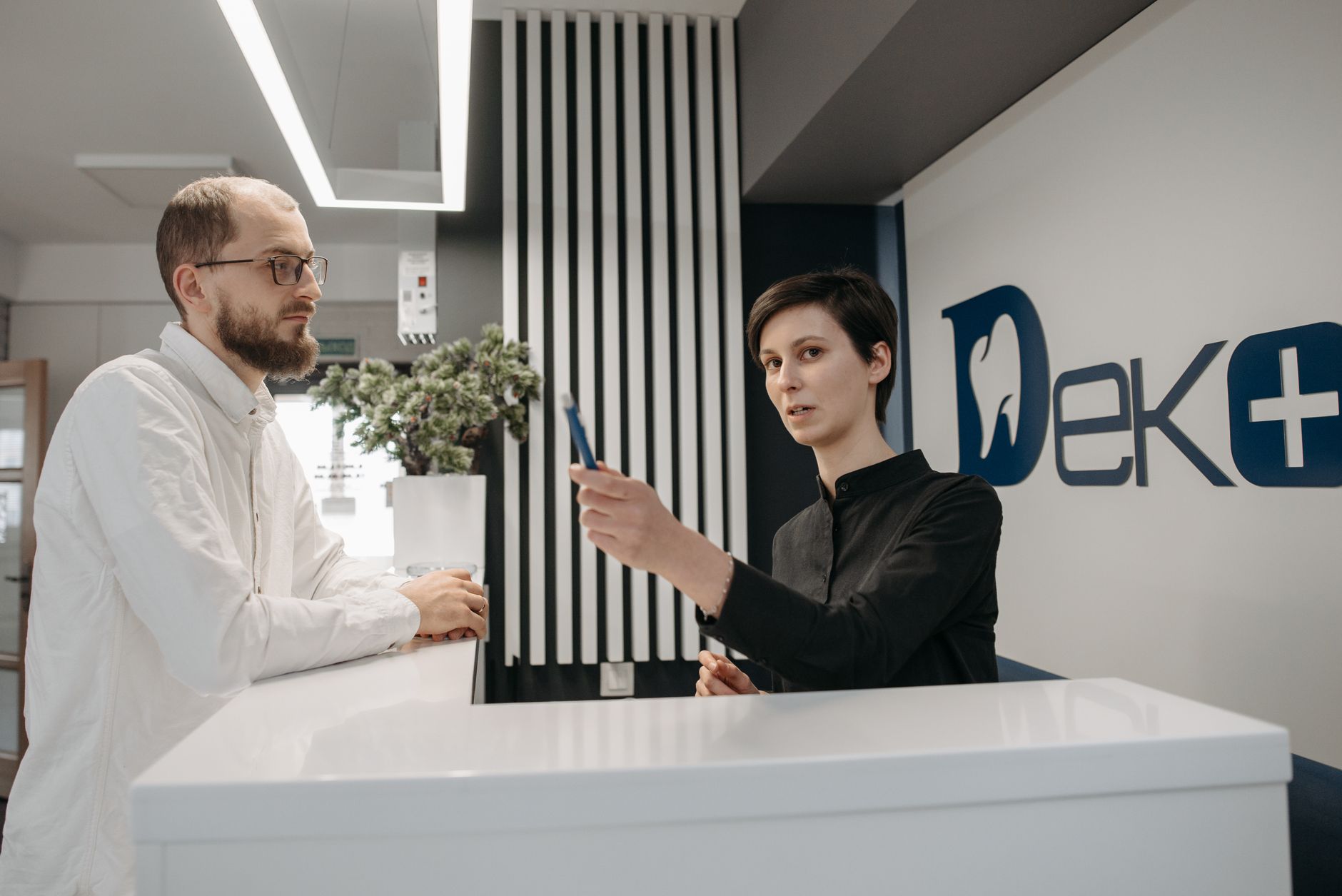
When a new enquiry lands in your WhatsApp inbox at 6:47pm, how quickly should you respond? What about when Mrs Thompson—a patient of 12 years—messages about rescheduling her hygiene appointment? Most UK dental practices treat both scenarios identically, yet the data reveals that first-time enquirers and existing patients require fundamentally different response time strategies to maximise conversion and preserve lifetime value.
First-time dental enquirers expect responses within 90 minutes to maintain 68% conversion probability, whilst existing patients tolerate up to 24-hour response windows without appointment abandonment risk—meaning your practice needs tiered dental clinic response time protocols that allocate urgency based on enquirer status and treatment value.
Key Takeaways: Response Time Strategy by Enquirer Type
- First-time cosmetic and implant enquiries lose 43% conversion probability after the first two hours without contact
- Existing patients maintain 91% appointment completion rates even with 24-hour response delays for routine queries
- Mixed response protocols—treating all WhatsApp messages identically—waste clinical time on low-urgency tasks whilst high-value leads go cold
- Automated first-response acknowledgements buy practices time whilst maintaining perceived responsiveness for both enquirer types
Why Do First-Time Enquirers Require Faster Dental Clinic Response Times?
First-time enquirers contact your practice in a state of high intent but low commitment. They're simultaneously reaching out to three to five competing clinics, comparing prices, reading reviews, and making rapid elimination decisions. The first practice to provide substantive information—not just "we'll call you back"—captures mindshare and begins the trust-building process that converts enquiries into booked consultations.
Research from the British Dental Association indicates that prospective patients form impressions of practice professionalism within the first interaction. When that interaction occurs via WhatsApp, response speed becomes the primary professionalism signal. A 15-minute response tells the enquirer "you're important, we're organised, we can help you now." A three-day response—common in many UK practices—signals disorganisation or indifference, prompting the enquirer to select a competitor who responded within the hour.
High-value treatments amplify this urgency differential. A £6,500 implant case enquiry represents months of patient consideration, family discussions, and financial planning. When that person finally reaches out, they're mentally prepared to move forward. Your practice has roughly 90 minutes to capitalise on peak intent before doubt, distraction, or competitor outreach redirects their decision. Contrast this with a routine scale-and-polish enquiry from an existing patient, where a 24-hour response delay rarely impacts appointment completion because the relationship foundation already exists.
What Response Time Do Existing Patients Actually Expect?
Existing patients operate from an established trust baseline. Mrs Thompson knows your hygienist's name, remembers where the practice car park entrance is, and has accumulated years of positive clinical experiences. When she messages to reschedule, she's not evaluating your professionalism—she's performing administrative housekeeping. Her tolerance for response delay is substantially higher because she's already committed to your practice.
UK patient satisfaction data shows that established patients rate "eventual helpfulness" above "immediate response" when contacting their regular dental practice. A 12-hour response delay for a routine query generates minimal frustration provided the eventual answer is complete and accommodating. This tolerance creates operational breathing room: your reception team can batch-respond to existing patient queries during natural workflow lulls rather than interrupting consultations or clinical procedures.
However, existing patients do maintain one critical expectation: acknowledgement. A read receipt without response for 48 hours frustrates even loyal patients. The solution is simple automated acknowledgement—"Thanks for your message, we'll confirm your new appointment time by end of day tomorrow"—which satisfies the need for recognition whilst allowing your team to respond during appropriate windows. Learn more about automated acknowledgement strategies in our article on dental patient communication approaches.
How Treatment Type Changes Response Time Urgency
Not all enquiries carry equal revenue weight or conversion sensitivity. A composite bonding enquiry—average case value £800—differs fundamentally from a full-arch implant enquiry worth £28,000. Your dental clinic response time strategy must reflect this value hierarchy, allocating fastest response capacity to highest-value, highest-intent enquiries whilst maintaining acceptable service levels for routine requests.
Cosmetic dentistry enquiries represent peak response sensitivity. These prospects are emotionally driven, often booking consultations within 72 hours of initial outreach across multiple practices. Research on cosmetic enquiry conversion demonstrates that practices responding within 60 minutes convert 34% of "just browsing" enquiries, whilst those responding after 24 hours convert just 11%. The emotional decision window is narrow—your practice must respond whilst motivation peaks.
Implant enquiries follow similar urgency patterns but with extended consideration timelines. First-contact response remains critical—you must enter the patient's consideration set immediately—but subsequent nurture communications can extend across weeks. The initial response establishes your practice as viable; follow-up sequences maintain engagement through the natural deliberation period. By contrast, emergency dental enquiries—severe pain, trauma, acute infection—demand near-instant response regardless of patient status, as delayed response drives sufferers to NHS emergency services or competitor practices accepting same-day cases.
What Happens When You Treat All WhatsApp Messages Identically?
The most common mistake UK dental practices make is implementing uniform response protocols across all WhatsApp communications. Reception teams attempt to respond to every message within 15 minutes—a laudable but unsustainable goal that creates perpetual interruption, clinical workflow disruption, and burnout. Alternatively, practices adopt passive approaches where all messages receive eventual attention "when we have time," causing high-value enquiries to cool whilst staff address low-urgency administrative queries.
Uniform response approaches misallocate the practice's most valuable resource: staff attention during clinical hours. When your treatment coordinator interrupts a consultation to respond to an existing patient's question about parking, that's appropriate resource allocation only if no first-time implant enquiries are pending. Yet most practices lack visibility into message priority—every WhatsApp notification appears identical, creating response randomness rather than strategic triage.
This uniformity also frustrates patients in both categories. First-time enquirers receive slow responses because staff are overwhelmed by routine existing-patient messages. Existing patients receive hurried, incomplete responses because staff are frantically trying to reply to everything immediately. The result satisfies neither group whilst maximising team stress. Practices need tiered response frameworks where enquirer type, treatment value, and message urgency determine response priority.
Should You Automate First-Response Messages for New Enquirers?
Automated first-response messages solve the immediacy problem without requiring staff availability at every moment. When a first-time enquiry arrives at 7:15pm—outside clinical hours—an instant automated acknowledgement maintains perceived responsiveness: "Thanks for contacting [Practice Name]. We've received your implant enquiry and will send detailed information by 10am tomorrow. Most patients book consultations within 48 hours—we'll make sure you have everything needed to decide."
This approach accomplishes three objectives simultaneously. First, it meets the enquirer's need for immediate acknowledgement, preventing them from assuming their message was lost or ignored. Second, it sets clear expectations about when substantive response will arrive, reducing anxiety and repeated follow-up messages. Third, it buys your team time to craft thorough, personalised responses during working hours when they can access patient records, check calendar availability, and provide accurate pricing information.
However, automation quality matters enormously. Generic auto-responses—"We'll get back to you soon"—provide minimal value and can feel dismissive. Effective automated messages acknowledge the specific enquiry type ("your implant question"), provide useful interim information (average consultation duration, what to bring, parking details), and commit to specific response timing. Some practices use automated messages to triage enquiries: "Reply with 1 for implant information, 2 for cosmetic dentistry, 3 for emergency appointments." This self-segmentation allows more targeted follow-up whilst making enquirers feel heard immediately. Explore automated approaches further at CareDental's platform overview.
How Do You Segment Existing Patient Messages by Urgency?
Existing patient messages span enormous urgency ranges—from "I think I've cracked a filling" (urgent) to "Can I get a receipt for my January appointment?" (low urgency). Smart practices implement simple categorisation systems that allow reception teams to prioritise responses appropriately without reading every message in arrival order.
Message categorisation can occur through automated keyword detection or manual tagging. Pain-related terms—"hurts," "swollen," "bleeding," "broken"—automatically flag messages for immediate clinical review. Appointment-modification requests—"reschedule," "cancel," "change time"—receive same-day response but don't interrupt clinical sessions. Administrative queries—"invoice," "receipt," "parking," "insurance"—batch into end-of-day response windows. This system ensures genuine urgency receives appropriate attention whilst preventing low-priority tasks from consuming disproportionate staff time.
The challenge lies in training patients to understand your response framework without creating frustration. Clear auto-responses help: "We've received your message. Emergency queries receive responses within 2 hours during clinical hours. Appointment changes are confirmed same-day. Administrative requests are handled within 24 hours." This transparency manages expectations whilst giving your team permission to prioritise strategically rather than chronologically.
Why Phone-First Practices Struggle with WhatsApp Response Time
Many UK dental practices remain phone-centric, treating WhatsApp as a secondary convenience channel. This mindset creates structural response delays because staff check WhatsApp sporadically between phone calls rather than monitoring it as a primary communication stream. First-time enquirers messaging such practices often wait 6-8 hours for initial response—an eternity in competitive private dental markets where multiple practices respond within 30 minutes.
Phone-first practices also lack WhatsApp-specific workflows. The same receptionist answering phones must remember to check WhatsApp, mentally context-switch between conversation modes, and somehow maintain conversation history across fragmented message threads. This cognitive load increases errors—wrong appointment times, forgotten follow-ups, misunderstood treatment requests—whilst slowing overall response time for both channels. The receptionist becomes perpetually reactive rather than proactive, responding to whoever demands attention most insistently rather than who represents highest value or greatest urgency.
Forward-looking practices flip this priority structure. WhatsApp becomes the primary asynchronous communication channel, allowing staff to provide thoughtful, complete responses without the temporal pressure of ringing phones. Voice calls are reserved for complex clinical discussions, financial arrangements requiring negotiation, or situations where tone and empathy matter more than documentation. This channel-appropriate allocation improves response quality for both first-time enquirers and existing patients whilst reducing staff stress. See how practices are implementing this transition in our article about phone queue abandonment recovery.
What Technology Supports Differentiated Response Time Strategies?
Manual differentiation—asking staff to mentally categorise each message and apply appropriate urgency—fails under operational pressure. When the waiting room fills, phones ring simultaneously, and a crown prep runs 20 minutes over schedule, staff revert to survival mode: respond to whoever seems most upset, ignore everything else until tomorrow. Technology removes this cognitive burden by automating triage, routing, and response timing based on predefined rules.
Modern dental communication platforms distinguish new enquirers from existing patients automatically by checking the sender's number against practice management systems. First-time numbers trigger high-priority workflows—immediate automated acknowledgement, assignment to dedicated new-patient coordinators, escalation if no human response occurs within 90 minutes. Recognised existing patient numbers follow different paths—acknowledgement messages that reference their last appointment, routing to their usual treatment coordinator, batched response windows unless keywords indicate urgency.
AI-enhanced systems go further, analysing message content to assess urgency and treatment value. A message mentioning "dental implants" and "consultation" from a new number generates different priority than "I need to reschedule Thursday's cleaning" from an established patient. The system can automatically compose appropriate first responses, suggest relevant information (pricing guides, treatment FAQs, before-and-after galleries), and even schedule follow-up reminders if human staff haven't sent substantive responses within defined windows. This technological support allows small reception teams to deliver enterprise-grade responsiveness without proportional staff increases. Learn more about these capabilities through our About CareDental overview.
How International Enquirers Complicate Response Time Expectations
UK dental practices increasingly receive enquiries from international patients and UK residents whose first language isn't English. These enquirers present unique response time challenges because delayed or confusing responses amplify existing language barriers and cultural unfamiliarity, causing higher abandonment rates than native English enquirers experience with identical response timing.
A Portuguese-speaking enquirer messaging about implants faces compounding uncertainties: unfamiliarity with UK dental pricing structures, concern about communication during treatment, questions about payment methods that work internationally. When that enquirer waits four hours for initial response, they interpret delay as either lack of interest in international patients or inability to accommodate language needs—both conversion killers. Practices serving international markets must respond faster to these enquiries whilst providing additional context (payment options, language support availability, video consultation offerings) that native enquirers don't require. Detailed approaches for this segment appear in our analysis of translation-supported enquiry recovery.
Technology again provides solutions manual processes can't scale. Real-time translation allows English-speaking staff to respond immediately in the enquirer's language, eliminating both response delays and comprehension barriers. Automated messages can deploy in Portuguese, Polish, Romanian, or Arabic based on detected language patterns, providing instant acknowledgement whilst human staff prepare detailed responses. This capability transforms international enquiries from operational burdens into revenue opportunities whilst maintaining response time standards that prevent conversion leakage.
Should Evening and Weekend Enquiries Receive Different Response Times?
First-time dental enquiries cluster heavily in evening hours—6pm to 10pm—when people finish work, scroll social media, and research discretionary healthcare purchases. Your practice is closed. Competitors' practices are closed. The enquirer messages four clinics simultaneously. Which practice do they remember the next morning? The one that sent an immediate, helpful automated response at 7:23pm—not the three that eventually replied at 9:15am the following day.
Weekend enquiries follow similar patterns. Someone sees a smile transformation on Instagram Saturday afternoon, spends two hours researching composite bonding, and messages your practice at 2:47pm. By Monday morning when your team arrives, that person has received quotes from three other practices, watched a dozen YouTube reviews, and possibly booked a consultation elsewhere. The opportunity window closed before your practice even knew it existed.
Automated always-on response systems solve this temporal mismatch. First-contact messages deploy instantly regardless of when enquiries arrive, maintaining your practice's presence in the prospect's consideration set whilst competitors remain silent. These messages can't close sales—that requires human expertise—but they prevent elimination, keeping your practice viable until staff can provide detailed follow-up Monday morning. Existing patients generally understand and accept business-hours response norms, so evening and weekend messages from established patients can safely wait until the next working day without relationship damage. The response time differentiation between new and existing enquirers becomes most pronounced outside clinical hours.
What Metrics Should You Track to Optimise Response Time Strategy?
You can't optimise what you don't measure. Effective response time strategies require tracking several key metrics separately for first-time enquirers and existing patients: median response time (time from message receipt to first substantive staff response), conversion rate by response time bracket (0-30 minutes, 31-90 minutes, 91-240 minutes, 241+ minutes), enquiry abandonment rate (messages that never receive response), and revenue per enquiry by response speed cohort.
These metrics reveal your practice's true performance and improvement opportunities. You might discover that implant enquiries responded to within one hour convert at 41%, whilst those receiving two-hour responses convert at 22%—a conversion rate halving that directly impacts monthly revenue. Or you might find that existing patient satisfaction remains high even with 18-hour response times for routine queries, suggesting you're over-investing resources in non-urgent communication when that capacity should address new enquiries.
Advanced practices track response time impact on lifetime value. Does a first-time enquirer who receives 30-minute response become a more valuable patient long-term than one who receives 3-hour response? The data often shows yes—rapid initial response signals operational competence and patient prioritisation, qualities that drive treatment acceptance, referral generation, and multi-year loyalty. These insights justify resource investment in improved response systems because the return extends far beyond initial consultation conversion. For practices seeking guidance on these metrics, contact our team for assessment frameworks.