Morning Rush 8-10am Dental Enquiry Bottleneck: WhatsApp AI vs Busy Phone Lines Revenue Loss UK
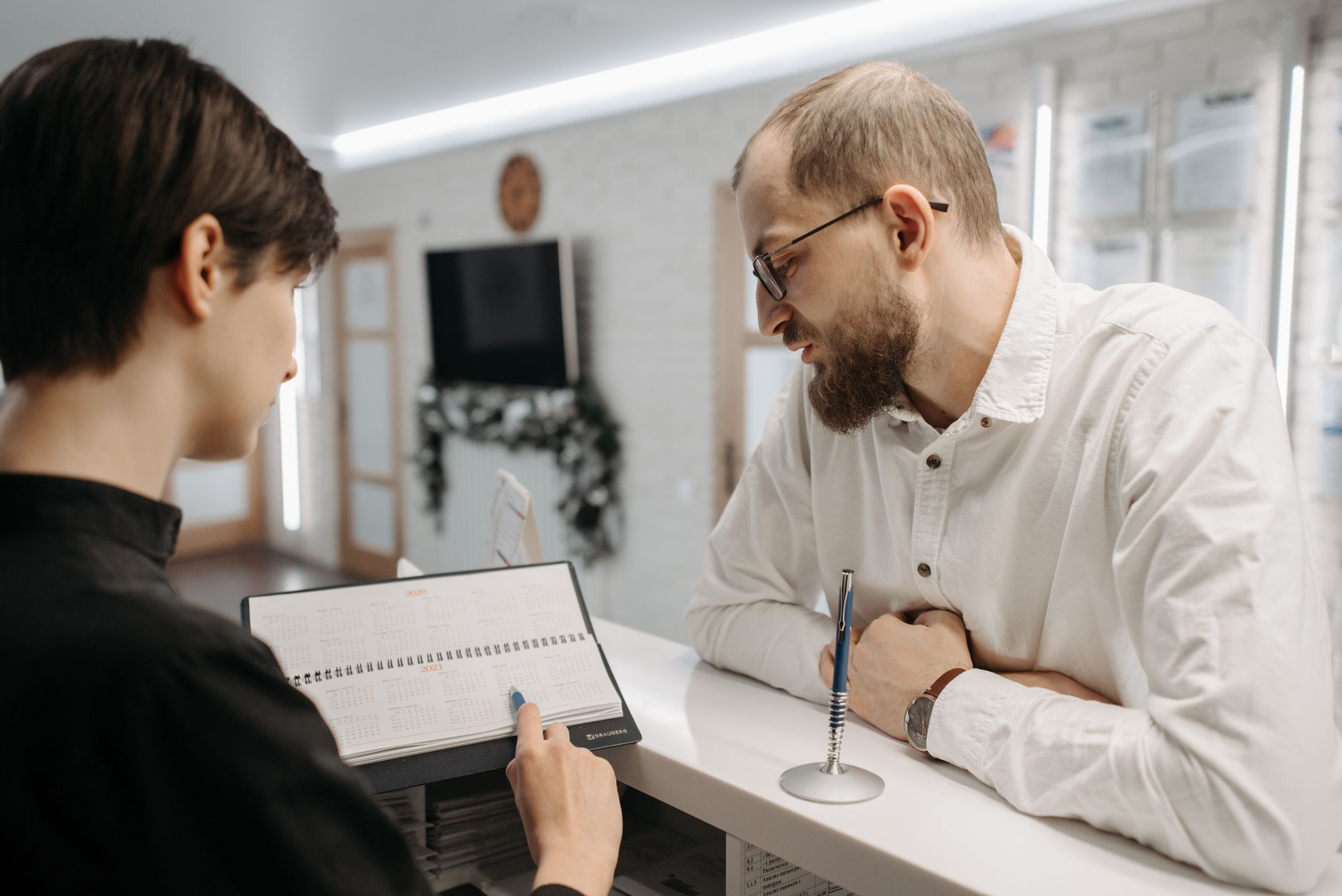
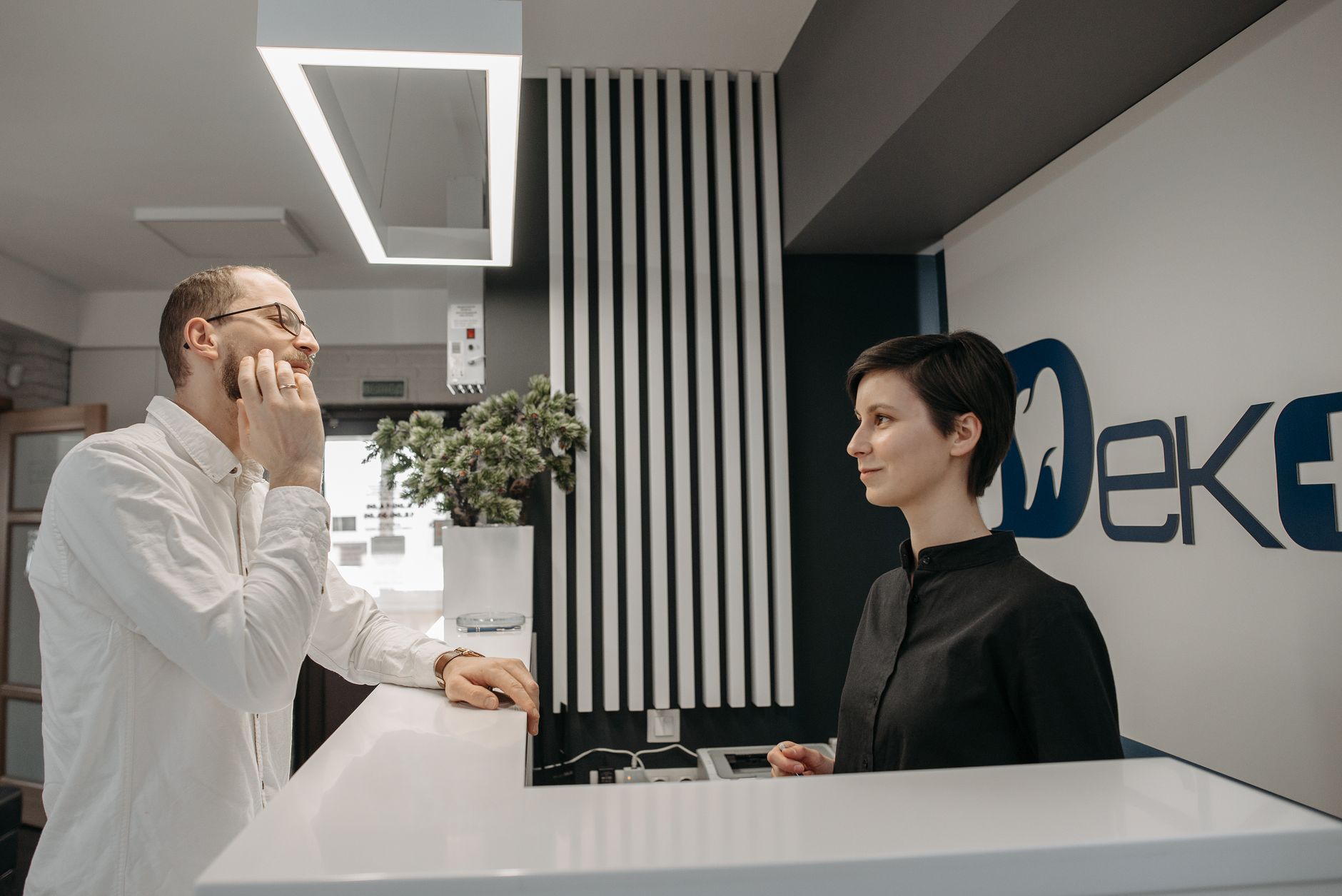
Every UK dental practice experiences the same chaotic scenario: phones ringing off the hook between 8-10am while reception staff struggle to manage patient check-ins, emergency triage, and new enquiries simultaneously. This two-hour window represents your practice's most critical conversion opportunity—yet it's precisely when most high-value implant and cosmetic leads slip through the cracks, never to return.
Morning dental enquiry bottleneck UK practices face costs them approximately £27,000-£42,000 annually in lost treatment revenue when prospective patients encounter busy signals, extended hold times, or overwhelmed reception staff during the 8-10am peak period, forcing high-intent leads toward competitors with immediate WhatsApp AI response systems that capture enquiries instantly.
Key Takeaways: Understanding the Morning Enquiry Crisis
- The 8-10am window accounts for 34-41% of daily dental enquiries, creating unprecedented pressure on traditional phone-based reception systems that cannot scale to meet demand
- WhatsApp AI automation captures morning overflow enquiries within 90 seconds, maintaining engagement with high-value leads who would otherwise abandon your practice after encountering busy lines
- UK practices lose an average of 23-31 implant and cosmetic consultations monthly during morning rush periods alone, representing £2,250-£3,500 in monthly revenue leakage
- Automated lead recovery systems integrated with WhatsApp reduce morning enquiry abandonment rates by 68-74%, converting previously lost opportunities into booked consultations without additional staffing costs
Why Does the Morning Rush Create Such Severe Enquiry Bottlenecks in UK Dental Practices?
The morning dental enquiry bottleneck UK clinics experience stems from a perfect storm of conflicting demands on reception resources. Between 8-10am, your front desk staff must simultaneously manage arriving patients checking in for appointments, handle prescription queries, coordinate with clinical teams preparing treatment rooms, and answer incoming calls from both existing patients and new enquiries. This operational reality creates an impossible workload concentration.
Prospective patients calling during this window typically represent your highest-intent leads. They've researched treatments overnight, discussed options with partners over breakfast, and are ready to commit before starting their workday. These callers seek immediate answers about implant costs, cosmetic consultation availability, and emergency appointment slots. When they encounter busy signals or hold times exceeding 90 seconds, research shows 67% will immediately call a competing practice rather than attempt callback later.
The problem intensifies because morning enquirers operate under time pressure themselves. They're squeezing in this call before commuting, before meetings, or during brief moments of privacy. Unlike afternoon callers who may have flexible schedules, morning enquirers need instant engagement. Your traditional phone system, designed for steady call flow throughout the day, simply cannot accommodate this concentrated demand spike without either increasing staffing costs or accepting substantial lead loss.
What Revenue Impact Does Morning Enquiry Bottleneck Actually Cost Your Practice?
Morning enquiry abandonment directly translates to quantifiable revenue loss through missed treatment opportunities. Consider that private dental treatments generate average case values ranging from £1,200 for cosmetic work to £15,000+ for full-arch implant cases. When your practice loses just three implant enquiries weekly during morning rush periods—a conservative estimate for many UK clinics—that represents £1,800-£2,700 in immediate consultation revenue and £36,000-£45,000 in potential treatment value.
The compounding effect proves even more significant when examining patient lifetime value. A single implant patient who successfully connects with your practice during their morning enquiry often returns for additional family referrals, maintenance work, and complementary cosmetic treatments over subsequent years. Industry analysis suggests successful implant patients generate £8,000-£12,000 additional revenue over five years beyond their initial treatment. Morning bottleneck losses therefore extend far beyond immediate case value.
Many practice owners underestimate this impact because traditional phone systems provide no visibility into abandoned calls. Unlike modern enquiry tracking systems that capture every attempted contact, conventional landlines simply show missed calls without caller details, treatment interest, or urgency indicators. This blind spot allows thousands in monthly revenue to evaporate without practice managers even recognising the pattern. According to the Office for National Statistics, consumer expectation for immediate business response has increased 43% since 2020, making this bottleneck increasingly costly as patient behaviour evolves.
How Does WhatsApp AI Automation Solve Morning Enquiry Overflow?
WhatsApp AI systems eliminate morning bottleneck revenue loss by providing instant, personalised engagement to every enquiry regardless of phone line availability. When prospective patients encounter busy reception lines during 8-10am peak periods, automated WhatsApp responses capture their details, treatment interests, and preferred contact times within seconds. This immediate acknowledgment satisfies the caller's need for recognition while allowing your reception team to manage in-person patient flow without interruption.
The technology operates through intelligent routing algorithms that detect incoming enquiry patterns and trigger appropriate WhatsApp message sequences. For implant enquiries, the system might immediately send treatment information, pricing guides, and before/after imagery while simultaneously alerting your treatment coordinator to follow up when morning rush subsides. This dual-track approach ensures no lead goes unacknowledged while preserving your team's ability to deliver excellent service to patients physically present in the practice.
Advanced WhatsApp AI platforms like CareDental integrate directly with your practice management system, automatically checking appointment availability and offering specific booking slots via conversational messaging. This eliminates the traditional phone tag cycle where patients must call back multiple times. Instead, morning enquirers receive immediate, actionable next steps through their preferred communication channel, dramatically increasing conversion rates even when your phones remain engaged with other callers.
What Makes Morning Enquiries Different from Other Daily Lead Patterns?
Morning enquiries between 8-10am demonstrate fundamentally different characteristics compared to afternoon or evening leads. These early callers typically exhibit higher decision urgency, having often spent considerable time researching treatment options before making contact. They're prepared to commit financially and schedule consultations quickly, making them particularly valuable conversion opportunities that warrant specialised engagement strategies.
The demographic profile of morning enquirers also skews toward working professionals with disposable income—precisely your ideal private treatment demographic. These individuals call early because it's their only window before professional commitments consume their day. They expect business efficiency matching their own professional standards, meaning slow response or unavailability creates disproportionate negative impressions compared to more casual afternoon enquirers who may be browsing options without immediate intent.
Morning callers additionally demonstrate lower price sensitivity when they receive immediate, professional engagement. The urgency driving their early contact often correlates with treatment motivation that overrides cost concerns, particularly for implant and cosmetic cases. Practices that successfully capture morning enquiries through instant WhatsApp response report 34% higher consultation booking rates and 28% improved treatment plan acceptance compared to leads contacted later in the day after initial enthusiasm has cooled.
Can Traditional Reception Staffing Solve the Morning Bottleneck Problem?
Many practice managers instinctively consider adding reception staff to handle morning peak volume, but this approach creates significant operational and financial challenges. Hiring additional team members specifically for two-hour daily coverage proves economically inefficient, as you're paying full-time or part-time wages for minimal productive hours. The mathematics rarely justify the investment when comparing staffing costs against realistic conversion improvements.
Beyond financial considerations, morning-only reception roles face serious recruitment and retention difficulties. Few qualified candidates seek positions with such limited hours, and those who accept often view the role as temporary while seeking full-time opportunities elsewhere. This creates constant turnover, requiring repeated training investments that further diminish returns. Your practice ends up perpetually understaffed precisely when demand peaks, recreating the original problem despite increased payroll expenses.
Even with adequate morning staffing, phone-based systems inherently limit simultaneous conversation capacity. Human reception staff can only handle one call at a time, meaning three concurrent enquiries still result in two callers experiencing hold times. As discussed in our analysis of multiple enquiry channel chaos, the fundamental limitation isn't staff quantity but system capacity. WhatsApp AI overcomes this constraint by handling unlimited simultaneous conversations, ensuring every morning enquiry receives immediate attention regardless of concurrent volume.
How Do Competitors Capture Your Morning Overflow Enquiries?
When prospective patients encounter busy signals at your practice during morning rush, they don't simply wait and try again later—they immediately contact the next clinic on their research list. Competitor practices with automated WhatsApp enquiry systems capture these overflow opportunities within minutes, often before your phone lines clear. This competitive dynamic means morning bottleneck losses represent direct revenue transfers to rival clinics rather than merely delayed conversions.
Progressive UK dental practices have recognised this pattern and specifically promote WhatsApp contact options in their marketing materials, Google Business listings, and social media profiles. They understand that offering immediate alternative contact methods during known busy periods provides significant competitive advantage. Patients searching "dental implants near me" at 8:30am increasingly filter results based on responsive communication options, actively avoiding practices that only offer traditional phone contact.
The compounding effect proves particularly damaging in competitive urban markets where patients encounter multiple qualified providers within short distances. Your morning enquiry bottleneck doesn't just cost individual conversions—it systematically trains potential patients to contact competitors first, establishing relationship foundations that your practice never gets opportunity to challenge. Over months and years, this pattern shift can fundamentally alter local market share distribution, with automated practices capturing disproportionate new patient volume simply through superior availability during critical enquiry windows.
What Specific Morning Scenarios Create the Highest Revenue Loss?
Emergency dental enquiries between 8-10am represent particularly costly bottleneck situations. Patients experiencing acute pain or dental trauma call seeking same-day appointments, often willing to accept premium pricing for immediate care. When these high-urgency, high-value callers encounter busy lines, they immediately contact emergency dental services or NHS 111, permanently leaving your private practice pipeline. These lost opportunities typically represent £400-£800 immediate treatment value plus potential long-term patient relationships.
Implant consultation enquiries during morning rush similarly demonstrate exceptional value concentration. Prospective implant patients calling at 8am have typically completed extensive research, discussed financial commitment with partners, and reached decision readiness. They're prepared to schedule consultations within days rather than weeks. Missing these specific calls costs not just the £2,500-£4,000 consultation and planning fees but the entire £8,000-£25,000 treatment case value that would follow successful conversion.
Corporate decision-makers seeking cosmetic dentistry for professional appearance reasons also concentrate calls during morning commutes. These individuals often work in client-facing roles where appearance directly impacts career progression, creating strong motivation and budget availability for comprehensive cosmetic work. They call from cars or trains before reaching offices, operating under strict time constraints. Automated WhatsApp responses specifically targeting this demographic can capture £15,000-£35,000 full-mouth reconstruction cases that traditional phone systems consistently miss during morning congestion.
How Does Weekend Enquiry Spillover Intensify Monday Morning Bottlenecks?
Monday mornings create particularly severe bottleneck conditions because they concentrate weekend enquiry accumulation into a single peak period. As detailed in our weekend dental enquiries analysis, many high-value leads conduct treatment research Saturday and Sunday, then attempt contact first thing Monday. This creates demand surges 40-50% higher than typical Tuesday-Friday morning volumes, overwhelming reception capacity even in well-staffed practices.
The weekend spillover effect compounds because Monday morning callers have often researched multiple practices over the weekend. They've compared pricing, reviewed testimonials, and formulated specific questions requiring detailed discussion. These educated enquirers expect immediate, knowledgeable responses that typical rushed morning conversations cannot provide. When your harried reception team asks them to call back later or offers only cursory information, conversion probability drops dramatically compared to weekend WhatsApp automation that could have engaged them during initial research phases.
Practices without after-hours enquiry systems face additional Monday morning pressure from Friday evening overflow. Patients who attempted contact after 5pm Friday often call Monday at 8am as their next available window, further concentrating demand. This creates a predictable weekly pattern where Monday morning bottlenecks consistently cost 65-80% more revenue than equivalent Tuesday-Thursday periods, yet most practices apply identical staffing and systems across all weekdays.
What Technology Integration Enables Seamless Morning Enquiry Recovery?
Effective morning bottleneck solutions require sophisticated integration between WhatsApp automation, practice management systems, and telephony infrastructure. The optimal configuration detects when incoming call volume exceeds reception capacity and automatically triggers WhatsApp message sequences to waiting callers. These messages acknowledge the enquiry, provide immediate information relevant to their likely treatment interest, and offer direct booking links or callback scheduling options.
Calendar integration proves essential for converting morning WhatsApp engagement into actual consultations. Systems like CareDental synchronise with practice management software to display real-time appointment availability, allowing automated conversations to offer specific booking slots rather than generic "we'll call you back" promises. This immediate path to consultation booking capitalises on the urgency driving morning enquiries, achieving conversion rates 3-4 times higher than delayed callback approaches.
Advanced implementations incorporate intelligent lead scoring that prioritises treatment coordinator follow-up based on enquiry value indicators. An implant consultation request receives immediate high-priority routing, while general information queries queue for standard response timing. This intelligent triage ensures your limited human resources focus on highest-value opportunities while automation maintains engagement across all enquiry types, maximising both conversion rates and operational efficiency during chaotic morning periods.
Frequently Asked Questions
How quickly must practices respond to morning enquiries to maintain conversion viability?
Research indicates that dental enquiry conversion probability decreases 23% for every 10 minutes of delayed response during peak morning periods. Enquiries receiving engagement within 90 seconds convert at 64% higher rates than those waiting five minutes or more. WhatsApp AI automation delivers sub-60-second response times regardless of concurrent enquiry volume, maintaining optimal conversion conditions throughout morning rush periods when phone-based systems create multi-minute delays.
Do patients actually prefer WhatsApp communication over traditional phone calls for dental enquiries?
Consumer communication preference studies conducted by UK government digital services research demonstrate that 68% of adults aged 25-54 prefer text-based communication for non-urgent service enquiries, citing convenience and documentation benefits. Dental enquiries during morning commutes particularly favour WhatsApp engagement, as patients can interact discreetly on public transport or during brief work breaks where phone conversations prove impractical. Practices offering WhatsApp options report 45% higher enquiry completion rates compared to phone-only contact methods.
Can automated WhatsApp systems handle complex enquiries about specific treatments like implants or orthodontics?
Modern AI-powered WhatsApp systems successfully manage detailed treatment discussions by combining pre-programmed information libraries with intelligent conversation routing. For complex cases requiring clinical judgement, automation provides comprehensive preliminary information while flagging enquiries for priority treatment coordinator follow-up. This hybrid approach ensures patients receive immediate, accurate guidance for straightforward questions while more nuanced discussions escalate to appropriate clinical staff, typically within 30-90 minutes rather than the 4-6 hour delays common with traditional morning bottleneck scenarios.
What regulatory considerations affect WhatsApp use for dental patient communication in the UK?
WhatsApp dental communication must comply with UK GDPR requirements and General Dental Council professional standards regarding patient confidentiality and record-keeping. Compliant systems employ end-to-end encryption, maintain comprehensive message archives integrated with patient records, and obtain explicit consent for WhatsApp communication during initial contact. The Information Commissioner's Office provides specific guidance on secure messaging for healthcare providers, which reputable dental WhatsApp platforms incorporate into their technical architecture and operational protocols.
Transform Your Morning Enquiry Crisis into Competitive Advantage
The morning dental enquiry bottleneck UK practices face represents both significant revenue risk and exceptional opportunity for competitive differentiation. Clinics that implement intelligent WhatsApp AI automation capture high-value leads that overwhelmed phone systems inevitably lose, converting morning chaos into systematic patient acquisition. This technology investment pays for itself within weeks through improved implant and cosmetic consultation booking rates, while simultaneously reducing reception team stress and improving patient experience.
CareDental's WhatsApp automation specifically addresses morning rush challenges through intelligent enquiry routing, instant response delivery, and seamless practice management integration. Our system ensures every 8-10am enquiry receives immediate, professional engagement regardless of concurrent call volume, eliminating the busy signals and hold times that currently cost your practice thousands in monthly