Teeth Whitening Enquiry Volume vs. Conversion Rate: WhatsApp Follow-Up Revenue Recovery for UK Dental Practices 2025
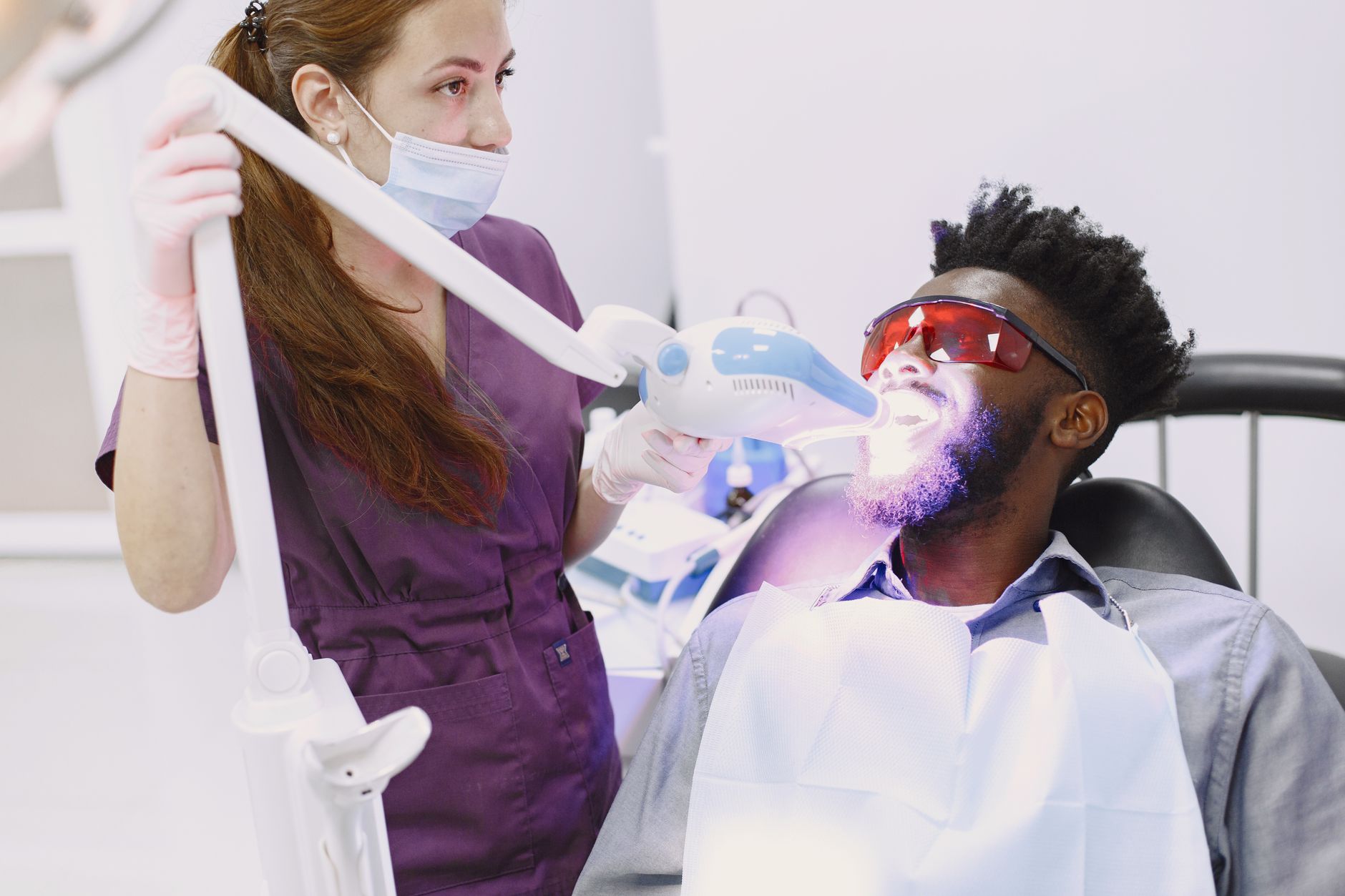
Private dental clinics across the UK receive hundreds of teeth whitening enquiries monthly — far more than implants or orthodontics — yet conversion rates hover disappointingly low. High enquiry volume creates a false sense of security while revenue leaks through cracks in follow-up systems, particularly when reception teams treat whitening as a low-priority cosmetic add-on rather than a strategic gateway to long-term private patient relationships.
Teeth whitening enquiry conversion improves dramatically when UK dental practices shift from volume-focused metrics to structured WhatsApp follow-up systems that nurture each lead through objection handling, appointment booking, and post-treatment upselling. Most clinics lose 60-70% of whitening enquiries to delayed response times and inconsistent manual follow-up despite high initial interest.
Key Takeaways: Teeth Whitening Enquiry Management
- High enquiry volume masks low conversion rates — most UK practices convert under 30% of teeth whitening leads despite strong initial interest
- WhatsApp follow-up automates instant responses during closed hours (evenings, weekends, lunch breaks) when most whitening enquiries arrive
- Structured nurture sequences handle common objections ("too expensive", "will it damage my teeth") that receptionists frequently overlook
- Post-whitening WhatsApp flows upsell hygiene memberships and cosmetic consultations, multiplying patient lifetime value beyond single treatments
Why Do Teeth Whitening Enquiries Have Higher Volume But Lower Conversion Than Implants?
Teeth whitening enquiries outnumber dental implant leads by five to ten times in most UK private practices, yet conversion rates tell a contradictory story. Whitening attracts impulse enquiries from price-shoppers comparing multiple clinics simultaneously, while implant leads arrive after weeks of research with higher intent and budget readiness. Reception teams unconsciously prioritise callbacks for £3,000 implant cases over £400 whitening appointments, creating systematic follow-up gaps that competitors exploit.
The psychology differs fundamentally. Implant patients need your expertise; whitening enquirers believe any dentist can deliver similar results, so they default to price comparison. When your reception desk takes forty-eight hours to return a whitening call, the patient has already booked elsewhere — often at a clinic charging £50 less but responding within an hour. Volume creates complacency; practices assume ten new enquiries this week replace the eight lost last week, never calculating cumulative revenue leakage across twelve months.
Enquiry source compounds the challenge. Social media advertising for whitening campaigns generates leads during evening scrolling sessions — 7pm to 10pm — when reception has closed. By 9am the next morning, that enthusiastic enquirer has received quotes from three competitors who use automated WhatsApp responses. Your reception team finally calls at 11am to find the appointment already booked elsewhere, the prospect now unresponsive. Early morning dental enquiries follow a similar pattern, arriving before staff reach their desks.
What Percentage of UK Dental Whitening Enquiries Convert Without Structured Follow-Up?
Industry observation suggests 25-35% conversion rates for teeth whitening enquiries in UK practices relying solely on manual reception follow-up, compared to 60-75% for implant leads receiving identical effort. The disparity reflects both patient psychology and internal process prioritisation. Receptionists answer phones reactively; when an implant enquiry and whitening enquiry arrive simultaneously, the implant gets immediate attention while whitening joins a callback list that stretches across days.
Manual systems create inconsistency. One receptionist books whitening consultations efficiently; another deflects to "send us an email with your availability." Staff turnover resets institutional knowledge — new team members don't realise that whitening leads need same-day response to prevent competitor poaching. Without documented protocols, conversion depends on individual personalities rather than systematic process. A practice might convert 40% during March when a proactive team member handles enquiries, then drop to 20% in April after she leaves for maternity cover.
Tracking compounds the problem. Most UK practices can't answer "how many whitening enquiries did we receive last month versus how many booked appointments?" without manually reviewing phone logs, email archives, and Instagram message requests across multiple platforms. Enquiry form software captures website submissions but misses the WhatsApp message sent at 8pm Saturday, creating blind spots that hide true conversion opportunity. Dental enquiry form software versus WhatsApp lead recovery highlights these platform gaps.
How Does WhatsApp Follow-Up Recover Lost Teeth Whitening Revenue?
WhatsApp automation addresses the core failure point: immediate response regardless of reception hours. When a whitening enquiry arrives via Instagram at 9pm Thursday, WhatsApp AI sends an instant reply confirming receipt, answering basic questions about treatment types (Philips Zoom versus Enlighten), typical costs, and appointment availability. The enquirer feels acknowledged rather than ignored, reducing competitor-shopping urgency while human staff remain off-duty.
Structured nurture sequences handle the objection cycle that manual follow-up misses. Day one: instant response with pricing transparency and before/after gallery. Day two: educational content addressing "will whitening damage enamel?" concerns that frequently stall bookings. Day three: limited-time offer or flexible payment plans to overcome budget hesitation. Day five: final prompt with alternative treatments if professional whitening feels too expensive. Each message delivers value rather than generic "are you still interested?" prompts that recipients ignore.
Post-booking sequences prevent no-shows that plague whitening appointments more than implants. A patient investing £3,000 in implants rarely forgets their consultation; someone booking a £350 whitening session might double-book or lose interest if three weeks pass between booking and appointment. WhatsApp sends prep instructions (avoid red wine, tobacco forty-eight hours pre-treatment), confirmation reminders, and parking details that reduce friction. Practices using structured reminders report 15-20% lower whitening no-show rates compared to email-only systems, directly impacting chair utilisation revenue.
Can Automated WhatsApp Handle "Is Teeth Whitening Safe?" Objection Conversations?
Yes — properly configured WhatsApp AI manages safety objections through pre-scripted educational content linked to authoritative sources like the General Dental Council's patient guidance. The most common whitening objections follow predictable patterns: enamel damage fears, sensitivity concerns, pregnancy/breastfeeding restrictions, and unrealistic Hollywood expectations. Each requires a reassuring, evidence-based response that receptionists often rush through during phone calls but AI can deliver comprehensively via text.
For enamel damage queries, WhatsApp flows send a detailed paragraph explaining that professional whitening uses regulated hydrogen peroxide concentrations approved by UK dental standards, with a link to GDC patient resources. The message clarifies the difference between dentist-supervised treatments and illegal over-the-counter products exceeding safe peroxide limits. This educational approach builds trust more effectively than a receptionist saying "yes, it's safe" without elaboration, positioning your practice as the knowledgeable authority rather than just another provider.
Sensitivity objections trigger a branching conversation. WhatsApp asks "have you experienced tooth sensitivity before?" — yes responses receive information about desensitising protocols (fluoride applications, gradual whitening schedules), while no responses focus on realistic expectations (mild temporary sensitivity affects 30-40% of patients but resolves within days). The system escalates complex medical histories to human review rather than attempting to diagnose, maintaining clinical governance while automating routine education. Pregnancy-related questions immediately route to "please call our team for personalised advice," respecting clinical liability boundaries.
Lunch Break and Weekend Enquiry Recovery: When Do Whitening Leads Arrive?
Analysis of enquiry timestamps reveals that teeth whitening leads cluster outside traditional reception hours more than any other treatment type. Social media scrolling peaks during lunch breaks (12:30pm-2pm) and Sunday evenings (6pm-9pm) — exactly when most UK dental practices close their front desks. Someone sees a before/after transformation post, feels inspired, and sends an enquiry expecting next-day response. By Monday morning, their enthusiasm has cooled or a competitor has captured the appointment.
Weekend enquiries particularly reflect impulse motivation. Friday and Saturday evenings generate high volumes as people plan appearance improvements before upcoming events — weddings, graduations, holidays. These time-sensitive enquirers won't wait until Monday for a callback; they'll book with whichever practice responds fastest, even if that means choosing a provider twenty miles further away. Weekend emergency dental enquiries follow similar urgency patterns across treatment types.
Lunch hour creates a specific vulnerability. Your reception team leaves at 1pm; a whitening enquiry arrives at 1:15pm via Google Business Messages. Without automation, that lead sits unacknowledged until 2:15pm when staff return — a sixty-minute window where competitors using WhatsApp AI have already sent pricing, booked a consultation, and taken a deposit. Lunch break dental enquiry drop-off quantifies this specific revenue leakage point. Practices implementing WhatsApp automation specifically to cover lunch and evening gaps report 25-35% increases in whitening consultation bookings within the first quarter.
What Happens After the Whitening Appointment? Upselling Through WhatsApp
Most UK practices treat teeth whitening as a transactional endpoint rather than a patient acquisition gateway. The whitening patient pays £400, receives their treatment, perhaps books a six-month follow-up top-up, then disappears. This approach wastes the primary strategic value: someone who invests in cosmetic dentistry demonstrates higher willingness to pay for ongoing aesthetic and preventive care compared to NHS-only patients visiting for check-ups.
Post-treatment WhatsApp sequences capitalise on satisfaction momentum. Twenty-four hours after whitening, the patient receives a message: "How are you feeling about your new smile?" with a prompt to share a selfie (many do, generating social proof content with permission). Forty-eight hours later: educational content about maintaining results through hygiene appointments and stain-prevention habits. One week later: introduction to your hygiene membership programme (£25 monthly for unlimited cleans and whitening top-ups), positioned as the natural next step for protecting their investment.
This nurture approach treats whitening patients as long-term revenue opportunities. A patient who joins your hygiene membership after whitening generates £300 annually in recurring revenue plus £800-1200 in additional treatments (fillings, crowns, potentially orthodontics as trust builds). The lifetime value multiplies twentyfold compared to the one-time £400 whitening fee, yet most practices never initiate these conversations systematically. WhatsApp automation ensures every whitening patient receives the upsell sequence regardless of staff workload or memory.
Google review requests integrate naturally into this flow. Three days post-treatment, when results peak and satisfaction runs highest, WhatsApp sends a personalised request: "Would you mind sharing your experience? It helps other patients considering treatment." This timing outperforms immediate post-appointment asks that catch patients before they've experienced full results. Google review request timing explores optimal scheduling across treatment types.
How Do Practice Management Systems Compare to WhatsApp for Whitening Lead Conversion?
Traditional dental practice management systems (Dentally, SOE, Exact) excel at appointment scheduling and clinical records but lack lead nurture capabilities. They're built for managing existing patients, not converting enquirers who haven't yet booked. A whitening enquiry enters your system only after a receptionist manually creates a patient record and logs the contact attempt — by which point, conversion opportunity may have already passed to a faster-responding competitor.
These platforms don't send automated educational sequences, handle objections, or follow up with leads who ghost after initial contact. A receptionist might log "called, no answer, try again tomorrow" in Dentally, but the system won't automatically text the enquirer with "I tried calling — happy to answer questions via WhatsApp if that's easier?" The burden remains entirely on human memory and workload capacity, creating inconsistent outcomes based on daily reception desk chaos.
WhatsApp operates in the communication space where prospects already spend their time. Asking a whitening enquirer to download your practice app or log into a patient portal creates friction; they want quick answers via text. Integration matters: WhatsApp lead recovery systems that sync with your practice management software combine both strengths — automated nurture captures and converts leads, then hands confirmed appointments to Dentally/SOE/Exact for scheduling and clinical workflow. Dentally versus SOE versus WhatsApp lead recovery ROI comparison examines this integration approach in detail.
The measurement difference proves critical. Practice management systems tell you how many whitening appointments occurred; WhatsApp analytics reveal how many enquiries you received, what percentage converted, which messages drove bookings, and where leads dropped off. This visibility lets you optimise messaging ("our Friday evening slot availability message drives 40% more bookings than general availability") — intelligence impossible to extract from traditional systems focused on post-booking administration rather than pre-booking conversion.
Price Objection Handling: "Why Is Professional Whitening So Expensive?"
The pricing objection appears in 60-70% of teeth whitening enquiries, requiring structured responses that justify value rather than defensively lowering fees. WhatsApp automation handles this through educational comparison: professional whitening uses dentist-grade peroxide concentrations producing results in one session that over-the-counter strips can't match after months. The message includes a cost-per-month breakdown showing how a £400 professional treatment lasting eighteen months costs £22 monthly versus £80 monthly for drugstore products requiring continuous repurchasing.
Financing options dissolve sticker shock. Instead of presenting £400 as a lump sum, WhatsApp introduces 0% payment plans: "£44 monthly over nine months, no interest" feels manageable to patients who've already decided they want whiter teeth but need budget flexibility. This approach works because whitening attracts younger demographics (25-45) more comfortable with instalment payments than older implant patients who prefer paying upfront. The message links directly to your finance application rather than requiring callback scheduling, reducing friction.
Competitor comparison requires delicate handling. WhatsApp scripts avoid naming specific high-street chains offering cheaper whitening but educate about qualification differences: "All our treatments are performed by registered dental professionals; some providers use beauty therapists, which is illegal under UK law." This positions your practice as the safe, compliant choice without appearing combative. A link to government guidance on dental whitening regulations reinforces legitimacy for patients who want to verify claims independently.
International Patient Enquiries: Language Barriers in Whitening Consultations
UK dental practices in multicultural areas (London, Manchester, Birmingham) receive teeth whitening enquiries from Mandarin, Cantonese, Polish, and Arabic speakers who struggle with phone-based consultations but communicate confidently via text. WhatsApp translation capabilities allow these prospects to enquire in their native language, receive automated responses translated to English for your team review, then get replies translated back — removing the language barrier that forces many international patients toward practices staffed by bilingual speakers regardless of clinical quality.
This matters particularly for whitening because it's a confidence-driven decision. Explaining treatment processes, managing expectations about shade improvement, and discussing aftercare requires clear communication that phone calls complicate when accents and medical terminology create misunderstanding. Text-based WhatsApp conversations give both parties time to process information, use translation tools, and ensure clarity before booking appointments. The written record also protects against miscommunication claims ("you said it would be six shades whiter" / "no, we discussed two to three shades").
Mandarin and Cantonese-speaking dental enquiries explores how translation revenue opportunities extend beyond whitening into implants and orthodontics. International patients often have higher discretionary income and less attachment to NHS dentistry, making them valuable private practice demographics worth systematic cultivation through language-accessible channels.