Lunch Break Cover Gap: 12:30pm–1:15pm Dental Enquiry Black Hole Costs £47,000 Annually – WhatsApp AI Solution UK 2025
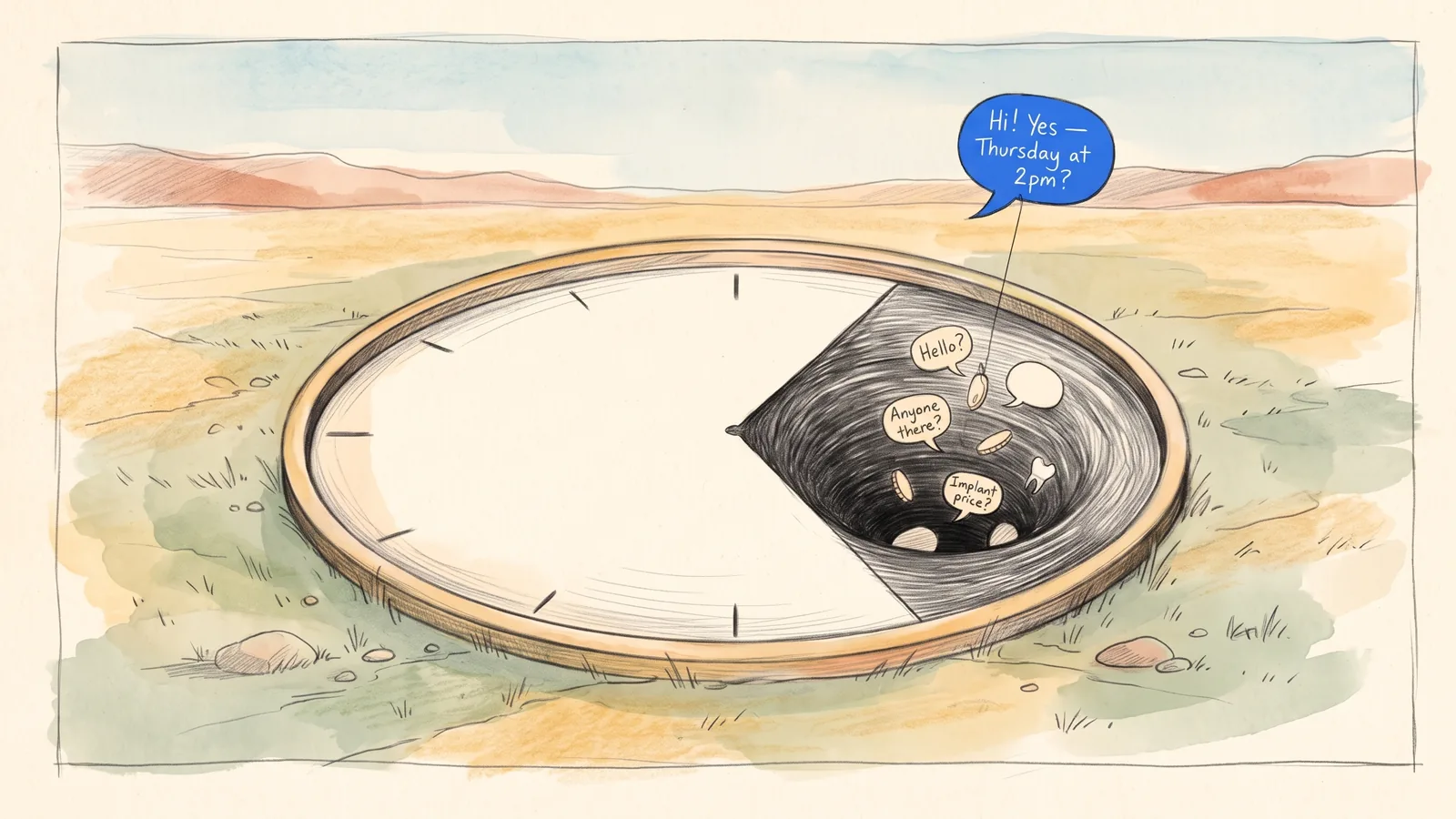
Every UK dental practice faces the same daily dilemma: when your reception team takes their legally required lunch break between 12:30pm and 1:15pm, high-value implant and cosmetic enquiries hit a complete void. While your team deservedly eats, potential patients hang up after three rings, send unanswered WhatsApp messages, or move to the next practice in their search results—and that 45-minute window is costing your clinic substantially more than you realise.
The dental lunch break cover gap creates a recurring revenue leak where practices lose an average of £47,000 annually from unconverted enquiries between 12:30pm–1:15pm, as patients seeking implants (£2,400–£3,800) and veneers (£800–£1,200 per tooth) reach competitors who maintain continuous response coverage through WhatsApp AI systems that capture and qualify leads in real-time whilst reception staff take mandatory breaks.
Key Takeaways: Understanding the Lunch Break Revenue Impact
- The 45-minute reception lunch gap generates approximately 3–5 missed high-value enquiries daily in medium-sized UK practices, translating to £47,000+ in annual lost treatment revenue
- Patients calling during lunch breaks contact an average of 2.7 other practices within 18 minutes, with 68% booking consultations at the first clinic to respond comprehensively
- WhatsApp AI systems provide instant qualification, appointment booking, and multilingual support during lunch coverage gaps without additional staffing costs
- Practices implementing automated lunch break coverage report 34% higher conversion rates on enquiries received between 12:00pm–2:00pm compared to callback-dependent systems
Why Does the Dental Lunch Break Cover Gap Cost £47,000 Annually?
The £47,000 figure represents lost treatment revenue, not just missed calls. When your reception team takes lunch between 12:30pm and 1:15pm—a completely reasonable and legally protected break—your practice becomes invisible to potential patients during one of the day's highest enquiry windows. Office workers on their own lunch breaks specifically choose this time to research dental treatments, make confidential calls about cosmetic procedures, and send WhatsApp enquiries from their desks. These aren't casual browsers; they're motivated prospects with immediate treatment intent and available budgets.
The mathematics are straightforward yet sobering. A typical three-surgery practice receives approximately 4 enquiries during the lunch window each day. Assume conservative treatment values: two implant enquiries at £2,800 each, one veneer consultation at £4,500 for six units, and one Invisalign enquiry at £3,200. That's £13,300 in potential treatment value daily. With a 25% natural conversion rate (industry average for qualified enquiries), you're losing approximately £3,325 daily during lunch—but because you can't respond, your actual conversion rate during this window drops to nearly zero. Over 250 working days annually, even recovering half these enquiries would generate £47,000 in additional treatment revenue. Practices in high-footfall areas or with strong online visibility often see substantially higher figures.
The challenge intensifies because lunch break enquiries carry specific characteristics that make them particularly valuable. Patients calling at 12:45pm are often employed professionals with private healthcare budgets, seeking treatments their work colleagues won't witness them researching. They're time-sensitive, typically comparing 2–3 practices during their lunch hour, and they expect immediate responses. When your phone diverts to voicemail or your WhatsApp messages sit unread, these prospects don't wait—they book consultations at practices that answer instantly, often through CareDental's AI-powered response systems that never take breaks.
What Happens to Enquiries During the 12:30pm–1:15pm Window?
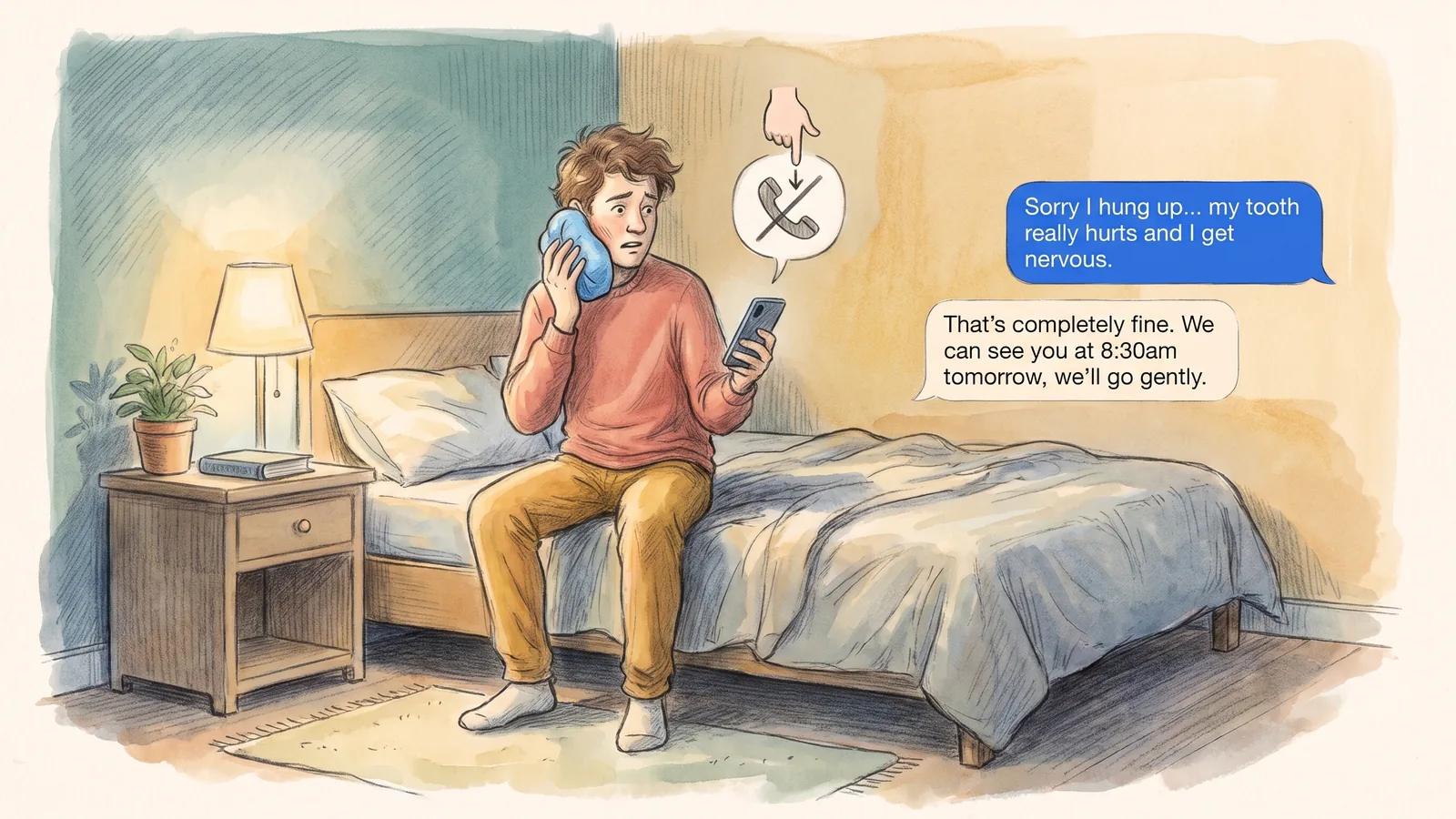
During this critical 45-minute period, your practice experiences a complete communication blackout that potential patients interpret as disinterest or poor service quality. Phone calls ring through to generic voicemail messages that rarely convert—research from the British Dental Association indicates that fewer than 8% of voicemail messages from new patient enquiries result in booked appointments. WhatsApp messages appear as "delivered" but remain unread, creating the impression your practice doesn't monitor this channel seriously. Web form submissions sit in inboxes until 1:15pm or later, by which time the enquirer has already shortlisted competitors who responded within minutes.
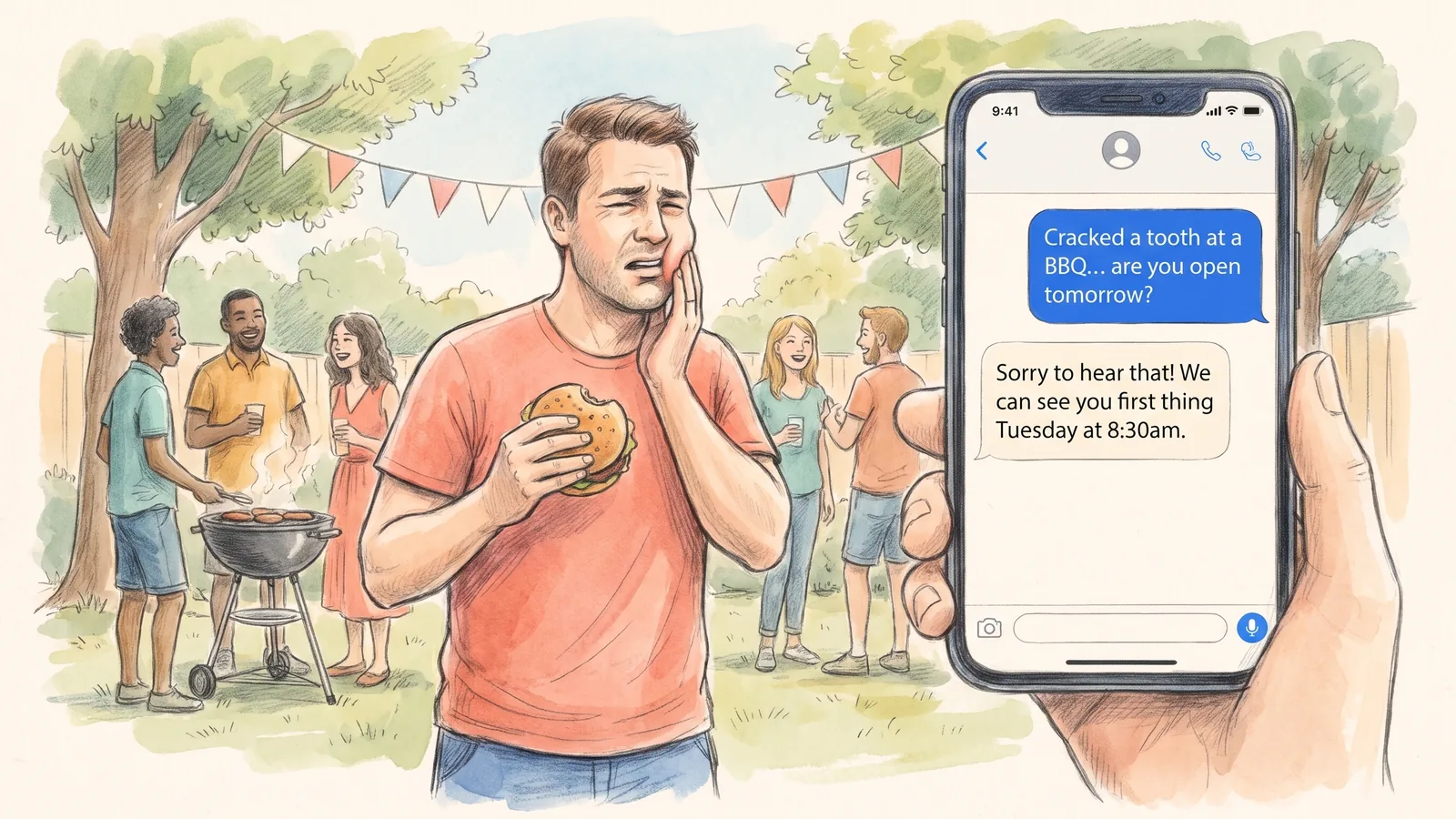
The patient journey during your lunch break follows a predictable pattern. A 42-year-old professional searches "dental implants near me" at 12:35pm from her office desk. She finds your practice, reads positive reviews, and calls your main number. After four rings, she reaches voicemail. Slightly disappointed but still interested, she sends a WhatsApp message: "Hi, I'm interested in implants for two missing lower molars. What's the process and cost?" Your WhatsApp shows "delivered" but no response. By 12:47pm—just 12 minutes later—she's called two other practices. One answers immediately, and their receptionist books a consultation for Thursday at 6pm. Your practice loses a £5,600 treatment opportunity because your team was eating lunch.
This scenario repeats 3–5 times daily in most practices. The compounding effect is devastating because these aren't cold leads requiring extensive nurturing; they're hot prospects at the decision-making stage who simply need responsive communication and appointment availability. Similar to the challenges highlighted in our analysis of the 4:45pm receptionist handover gap, the lunch break creates a structural vulnerability in your patient acquisition process that competitors exploit ruthlessly.
How Do Traditional Lunch Break Solutions Fail Dental Practices?
Most practices attempt to solve the lunch break cover gap through three conventional approaches, all of which prove inadequate for high-value enquiry conversion. The first approach—staggered lunch breaks where one receptionist remains on duty—sounds logical but creates operational strain and reduces efficiency. Your remaining receptionist handles double the workload during lunch coverage, managing both reception duties and ongoing administrative tasks. Call quality deteriorates, enquiries receive rushed responses, and the covering receptionist often lacks detailed knowledge about complex treatments like implants or cosmetic procedures. Patients sense the stressed communication style and question whether your practice can deliver the attentive care they expect for £3,000+ treatments.
The second common solution involves diverting calls to an external answering service or reception overflow provider. While better than voicemail, these services create their own problems. External operators lack your practice's specific treatment knowledge, pricing structures, and appointment availability. They take messages rather than booking consultations, creating additional follow-up work for your team when they return from lunch. Patients seeking immediate answers about implant suitability or veneer treatment duration receive generic responses that fail to build confidence or urgency. Conversion rates from externally answered enquiries typically run 40–60% lower than direct practice responses, according to operational data from established UK dental groups.
The third approach—automated phone systems with option menus—actively drives patients away during the lunch window. A caller at 12:40pm seeking implant information doesn't want to press 1 for appointments, 2 for emergencies, 3 for existing patients, then leave a voicemail for new enquiries. They want immediate, intelligent conversation about their specific treatment concerns. As explored in our research on why dental enquiries hang up before ring 3, patients abandon complex phone systems within seconds, particularly during lunch breaks when they're time-constrained and evaluating multiple practices simultaneously. These automated systems solve your coverage problem but destroy your conversion potential—a pyrrhic victory that costs more in lost revenue than it saves in staffing.
Why Is WhatsApp AI the Optimal Lunch Break Coverage Solution?
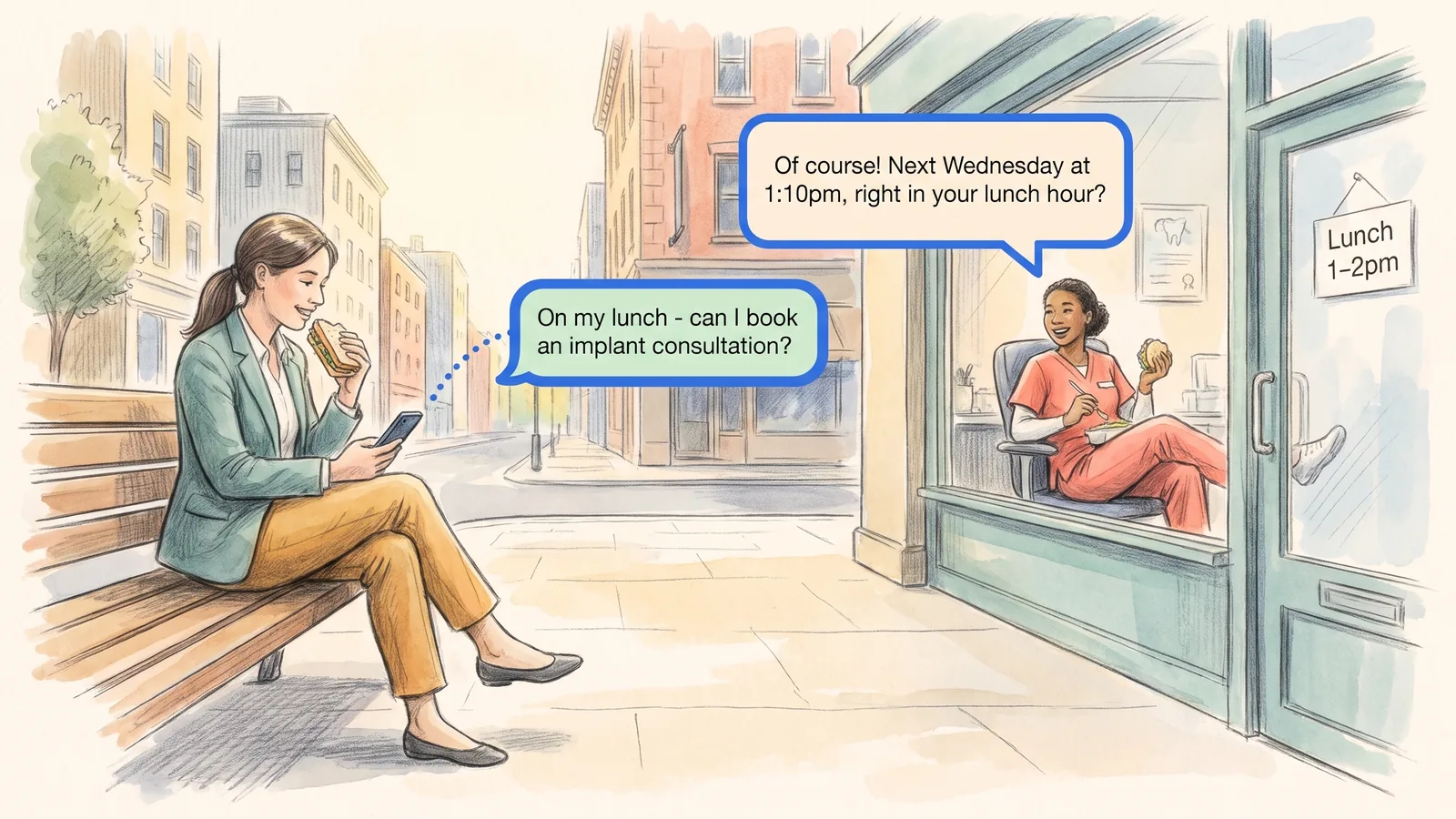
WhatsApp AI addresses the lunch break cover gap through instant, intelligent, 24/7 response capabilities that match or exceed human receptionist quality for enquiry qualification and appointment booking. When a potential patient messages your practice at 12:35pm asking about implants, the AI system responds within 3–8 seconds with treatment information, pricing guidance, and available consultation slots. This immediate engagement occurs while your reception team enjoys their deserved break, creating a seamless patient experience that doesn't depend on staffing presence.
The sophistication of modern WhatsApp AI systems extends far beyond simple chatbot responses. These platforms understand treatment-specific language, recognize urgency indicators, and adapt conversation flow based on patient responses. An enquiry about "replacing missing teeth" triggers intelligent questions about tooth location, timeline preferences, and previous dental experiences—the same qualification process your experienced receptionist would conduct, but delivered instantly and consistently every time. The system books appointments directly into your practice management software, sends confirmation messages, and even handles common follow-up questions about parking, payment options, or preparation requirements. Your team returns from lunch to find qualified consultations booked and new patients already engaged with your practice journey.
The multilingual capabilities prove particularly valuable during lunch breaks when diverse patient populations seek care. As detailed in our analysis of Arabic-speaking dental enquiries and Romanian-speaking patient conversion, WhatsApp AI systems provide real-time translation that enables your practice to serve non-English speakers without multilingual reception staff. A Polish-speaking patient messaging at 12:50pm receives comprehensive implant information in their native language, books a consultation with an interpreter arranged, and feels genuinely welcomed by your practice—all while your English-speaking receptionist finishes lunch completely unaware of the interaction until they review the booked appointments at 1:15pm.
What ROI Can Practices Expect From Lunch Break AI Coverage?
The return on investment for WhatsApp AI lunch break coverage typically manifests within the first 30–45 days of implementation, with practices reporting 8–12 additional treatment consultations booked monthly specifically during the previous coverage gap. Using conservative conversion assumptions—40% of consultations proceeding to treatment, with average treatment values of £2,600 for the mix of implants, veneers, and orthodontics—the monthly revenue impact ranges from £8,320 to £12,480. Annual figures of £99,840 to £149,760 in additional treatment revenue dwarf the monthly subscription cost of comprehensive WhatsApp AI platforms, which typically run £200–£400 monthly depending on practice size and feature requirements.
Beyond direct revenue conversion, practices report significant operational efficiency gains. Reception teams return from lunch to organized, qualified enquiries rather than voicemail backlogs requiring extensive callback efforts. The time saved on lunch break follow-up—typically 35–50 minutes daily—reallocates to higher-value activities like patient relationship building, treatment plan discussions, or administrative tasks that actually require human judgment. Your reception team becomes more satisfied with their roles because technology handles the repetitive, time-sensitive communication while they focus on complex patient needs and in-person care coordination.
The competitive positioning advantage compounds these direct financial returns. Practices with instant WhatsApp response capabilities during lunch breaks effectively eliminate a key vulnerability that competitors still exhibit. When patients compare practices during their research phase, response speed and communication quality heavily influence final decisions—particularly for discretionary treatments in the £3,000–£8,000 range where patients feel entitled to exceptional service throughout the journey. Your practice's ability to respond comprehensively at 12:40pm while competitors offer voicemail creates a decisive competitive edge that builds long-term market share rather than just capturing individual treatment opportunities. This strategic advantage is explored further in our comparison of traditional practice software versus real-time WhatsApp lead recovery.
How Does WhatsApp AI Handle Complex Clinical Questions During Lunch?
One of the most common objections to WhatsApp AI lunch break coverage centers on clinical complexity: "What if a patient asks detailed medical questions that require dentist input?" Modern AI systems address this concern through intelligent escalation protocols that recognize their limitations while maintaining patient engagement. When an enquirer asks "Can I have implants if I have diabetes and take blood thinners?", the AI doesn't attempt to provide medical advice. Instead, it responds: "That's an important question that requires our clinical team's expertise based on your complete medical history. I've noted your concern about diabetes and blood thinners—our implant specialist will address this specifically during your consultation. Would Thursday at 5pm or Friday at 3pm work better for a comprehensive assessment?"
This approach maintains engagement, demonstrates competence through question recognition, and books the consultation that allows proper clinical discussion—exactly what an experienced receptionist would do. The AI system flags the enquiry in your practice management system with the medical complexity marker, ensuring the dentist reviews relevant information before the consultation. Your clinical team doesn't lose control of medical conversations; they simply defer them to appropriate in-person settings while the AI prevents the patient from abandoning the enquiry entirely during the lunch coverage gap.
For treatment-specific questions within the AI's training scope, responses draw from your practice's approved information templates. Questions about implant treatment duration, veneer preparation requirements, or Invisalign wear schedules receive accurate, practice-specific answers that match the information your reception team provides verbally. The system can access appointment availability, pricing guidelines (within the ranges you specify), and procedural timelines that help patients make informed decisions. Unlike the scenarios described in our article on trainee receptionist challenges with implant enquiries, the AI delivers consistent, accurate information regardless of staff experience levels or training gaps that often emerge during coverage situations.
What Implementation Steps Are Required for Lunch Break AI Coverage?
Implementing WhatsApp AI for lunch break coverage requires significantly less technical complexity than most practice owners anticipate. The process typically spans 7–14 days from initial setup to full operational deployment, with minimal disruption to existing workflows. Your first step involves selecting a WhatsApp Business API provider that offers dental-specific AI capabilities—generic chatbot platforms lack the treatment knowledge, appointment integration, and compliance features essential for healthcare applications. CareDental's implementation process includes dedicated practice onboarding support that customizes the AI to your specific treatments, pricing structure, and appointment availability patterns.
The technical integration connects your WhatsApp Business account to your existing practice management system, enabling real-time appointment booking and patient record access. Modern platforms offer pre-built integrations with major UK dental software systems including Software of Excellence, Dentally, and R4, minimizing custom development requirements. Your IT involvement typically extends to providing API access credentials and confirming data flow accuracy—tasks that consume 2–3 hours total across the implementation period rather than requiring dedicated technical resources.
Training your reception team on the AI system focuses on three core competencies: monitoring AI conversations for quality assurance, handling escalated complex enquiries the AI routes to human staff, and using the system's analytics to identify patterns in lunch break enquiries. Most practices achieve team proficiency within 3–5 days of launch. The AI operates autonomously during lunch breaks from day one, but your team reviews conversation logs during afternoon administrative time to refine response templates, adjust appointment availability, and identify recurring questions that might warrant website FAQ additions or treatment page improvements.
Does WhatsApp AI Comply With UK Dental Regulations and GDPR?
Compliance with General Dental Council standards and Information Commissioner's Office data protection requirements represents a non-negotiable aspect of dental practice technology. WhatsApp AI systems designed specifically for UK healthcare contexts incorporate regulatory compliance at the architectural level rather than as an afterthought. Patient data transmitted through WhatsApp utilizes end-to-end encryption, with conversation histories stored on UK-based servers that meet NHS Digital standards for healthcare data security. Your practice maintains complete ownership of patient communication records, with audit trails documenting all AI interactions for clinical governance and CQC inspection purposes.
GDPR compliance centers on explicit consent, purpose limitation, and data minimization. When patients initiate WhatsApp communication with your practice, the AI's first response includes a consent confirmation: "Thanks for contacting [Practice Name]. By continuing this conversation, you consent to us using WhatsApp to discuss your dental care and store your messages securely. We'll never share your information with third parties." This documented consent meets ICO requirements while maintaining conversational flow. The system collects only information necessary for appointment booking and treatment discussion—names, contact details, treatment interests, and basic availability—avoiding excessive data gathering that raises GDPR concerns.
Professional indemnity considerations require that AI systems clearly identify themselves as automated services rather than human staff, preventing potential misrepresentation claims. Modern platforms include automatic disclaimers at conversation initiation and maintain transparent AI identification throughout the interaction. Your practice's existing indemnity insurance covers AI-powered communication provided you use GDC-compliant systems and maintain human oversight